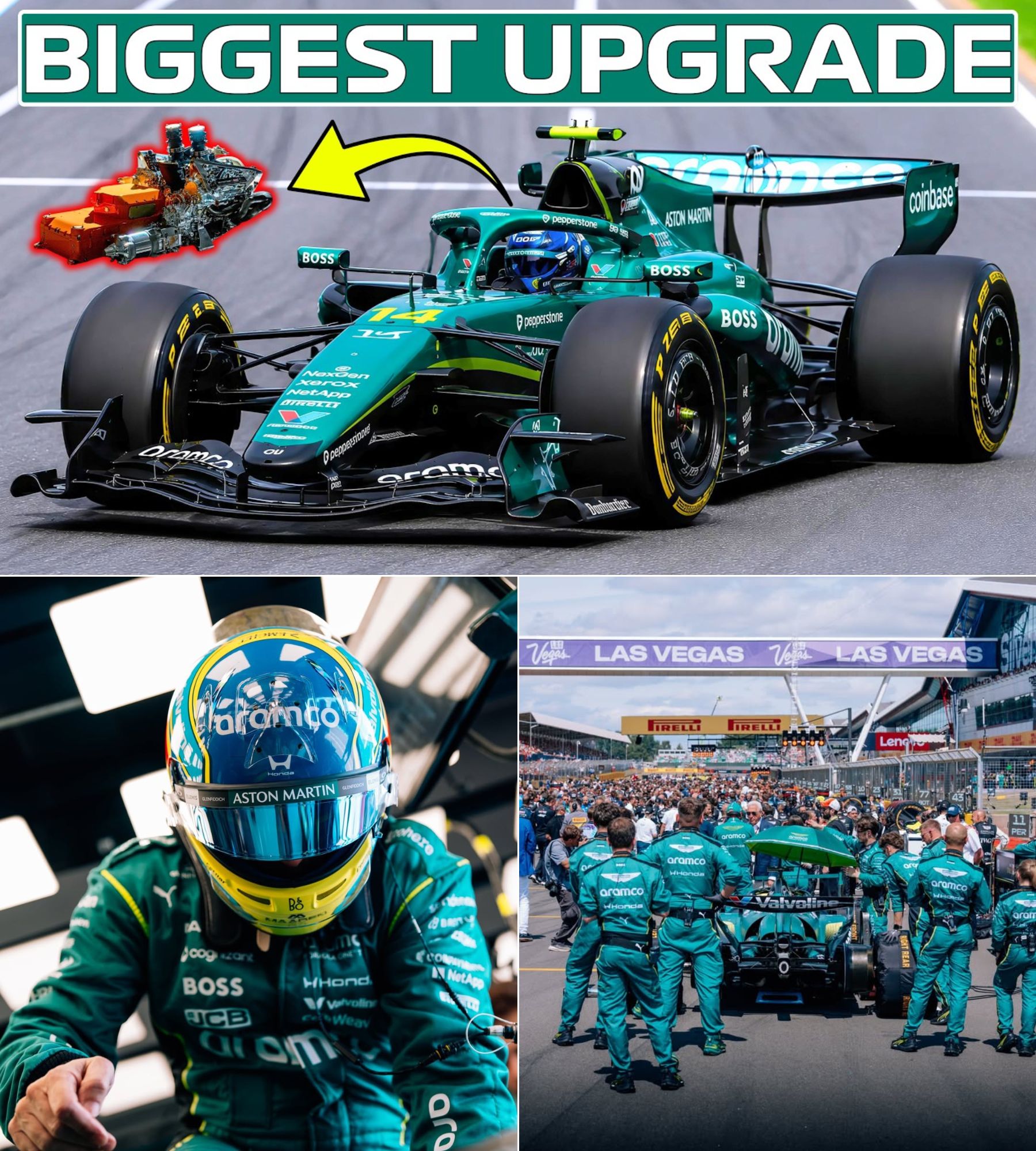
Aston Martin is on the brink of a transformative moment as they prepare to unveil a significant upgrade to their AMR26 at the Hungarian Grand Prix. After a challenging start to the 2026 season, where the team faced numerous setbacks, the stakes have never been higher for both the car and its star driver, Fernando Alonso.

Adrien Nui, the mastermind behind some of Formula 1’s most iconic designs, finds himself in uncharted territory. Known for his pivotal roles at Williams, McLaren, and Red Bull, Nui is now facing the pressure of delivering results for Aston Martin. The AMR26, his first full design for the Silverstone team, has struggled, finishing the first nine races with just one point and a series of retirements that left it at the bottom of the standings.
In a candid interview with Aston Martin’s official website, Nui opened up about the challenges the team has faced. For the first time, he detailed the issues that plagued the AMR26, including severe vibration problems that raised concerns for driver safety. The upcoming upgrade, set to debut on July 24, promises a two-second improvement in lap times, but context is crucial. Even with this enhancement, the car may still struggle to reach Q2 at Silverstone, highlighting the uphill battle Aston Martin faces.

Nui clarified that this upgrade is not a complete redesign but rather a refinement of the existing chassis and gearbox architecture. The team has focused on reducing weight and improving aerodynamics, a complex task that required significant engineering adjustments and new crash tests to ensure compliance with FIA regulations. This is not just a cosmetic fix; it’s a serious engineering overhaul aimed at making the AMR26 competitive.
The upgrade also includes a revised rear suspension and a new nose, all designed to help the car meet the minimum weight limit. This is vital, as excess weight can hinder performance and flexibility on the track. Aston Martin has been carrying this penalty all season, but the Hungarian upgrade aims to change that dynamic, allowing for better handling and driver control.

However, Nui’s most revealing comments were about the team’s simulation tools. He admitted that historically, Aston Martin has underinvested in the technology needed to accurately predict car performance. This lack of advanced simulation capabilities has made every upgrade a gamble, complicating the development process. As the team works to improve these tools, the upcoming upgrade will be a crucial test of their effectiveness.

The excitement surrounding the two-second improvement is palpable, but it’s essential to temper expectations. Alonso and his teammate have consistently qualified at the back of the grid this season, and even a significant upgrade may not propel them into the top spots immediately. Pedro Delar Roza, Aston Martin’s ambassador, candidly acknowledged the gap between the team and the frontrunners, emphasizing that the goal is to become competitive rather than simply chasing points.
For Alonso, the Hungarian Grand Prix holds special significance. It was here that he secured his first-ever Formula 1 victory back in 2003. Now, as he contemplates his future in the sport, the performance of the AMR26 in Hungary will be pivotal. He needs to see tangible evidence that the car is evolving in the right direction, as his decision to stay with Aston Martin hinges on this upgrade’s success.
As the team prepares for the race on July 25, all eyes will be on the AMR26 and its performance. The telemetry data collected during practice will be scrutinized closely, as it could determine not only the car’s immediate future but also Alonso’s long-term prospects in Formula 1. Will this upgrade finally give Aston Martin the competitive edge they’ve been striving for, or will it be another chapter in a season of challenges?