Agnes Moorehead, renowned for her iconic role as Endora on Bewitched, astonishingly despised the character she made famous. Despite her celebrated career spanning radio, film, and stage, Moorehead’s experience on the beloved television series left her frustrated and conflicted, revealing a hidden side to the actress’s complex legacy.
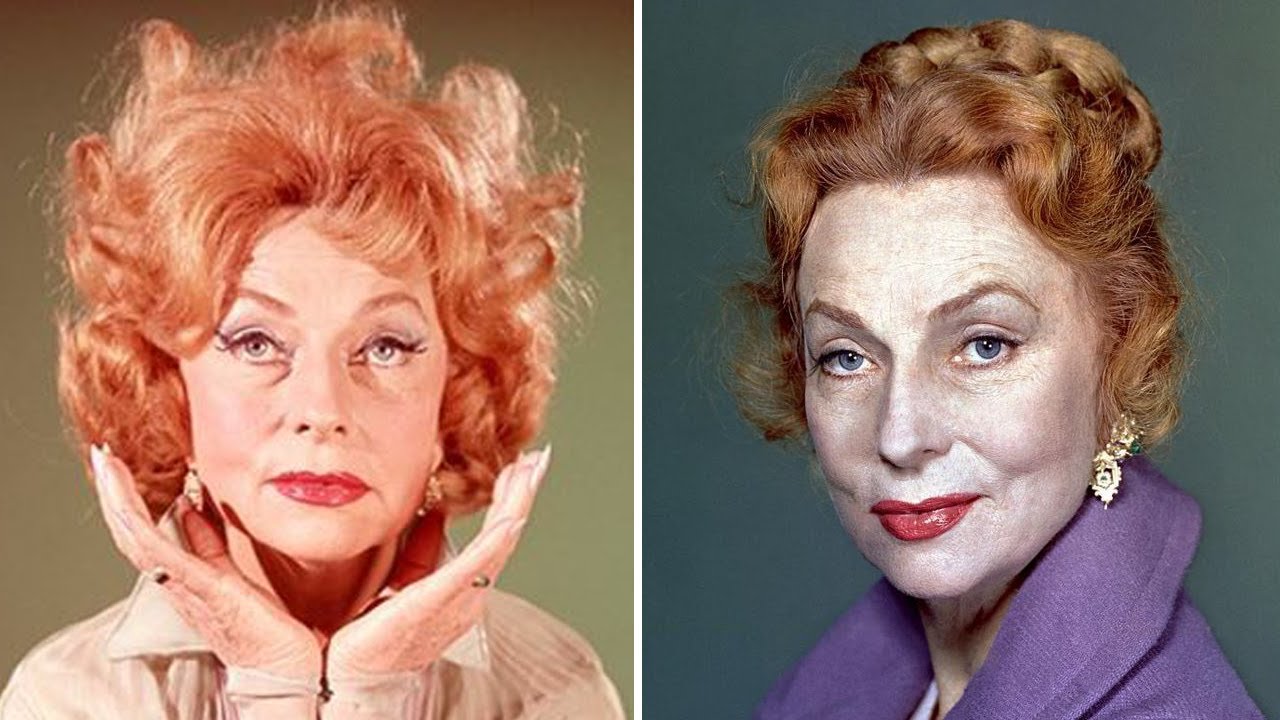 Moorehead carved a distinguished place in 20th-century entertainment through her mastery of radio, film, and stage. Born December 6, 1900, in Massachusetts, she pursued education rigorously, attending Muskingham College, the University of Wisconsin, and the American Academy of Dramatic Arts. Her background fortified her as a force in Hollywood’s golden age.
Rising to fame in legendary radio productions, Moorehead’s voice commanded attention. She was a favorite in Orson Welles’ Mercury Theater and famously participated in the 1938 War of the Worlds broadcast that caused nationwide panic. Her seamless transition to film culminated in a breakthrough with Citizen Kane, confirming her acting prowess.
Over decades, Moorehead earned four Academy Award nominations and wide acclaim for complex roles. Her ability to portray deeply nuanced characters made her a respected figure, with memorable performances in The Magnificent Ambersons and Hush…Hush, Sweet Charlotte—a role that won her a Golden Globe award and further Oscar recognition.
Despite such achievements, Moorehead’s years on Bewitched from 1964 to 1972 as Endora proved a source of bitter dissatisfaction. As a seasoned dramatic actress, she viewed the whimsical sitcom role as trivial and limiting compared to the serious, challenging parts she previously conquered with depth and integrity.

Moorehead reportedly resented being typecast as Endora, a character she felt lacked complexity. The sitcom’s formulaic humor and magical fantasy clashed with her artistic sensibilities and sense of dignity. She feared the role overshadowed her extensive, multifaceted career, reducing her legacy to a single television persona.
The actress’s discomfort extended off-camera. She had a strained relationship with some co-stars, notably Dick York, the original Darren Stevens, with whom she reportedly clashed. Though respectful of Elizabeth Montgomery, Moorehead’s overall experience on the show lacked personal and creative fulfillment amid repetitive storylines.
Religious beliefs further complicated her connection to Bewitched. Moorehead’s devout Presbyterian faith made her uneasy participating in a series centered on witchcraft, a theme at odds with her principles. This spiritual conflict likely intensified her dissatisfaction, creating tension between her values and her work.

Despite personal frustrations, Moorehead maintained professionalism, consistently delivering sharp, compelling performances. She stayed with Bewitched throughout its eight-season run, a testament to her dedication. Still, behind the scenes, her distaste became an open secret in Hollywood circles, contrasting her public acclaim and fan popularity.
Moorehead’s struggle highlights the paradox many actors face: balancing popular success with artistic fulfillment. While Endora secured Moorehead’s place in television history and won over new generations, it also represented a professional compromise that weighed heavily on the actress’s sense of accomplishment and legacy.
Her commitment to craft never wavered. After Bewitched, Moorehead returned to theater, embracing challenging roles and demonstrating remarkable versatility. Her performances on stage reaffirmed her status as a serious artist who could command audiences beyond the sitcom’s narrow confines.

Agnes Moorehead passed away on April 30, 1974, after battling uterine cancer. Her death marked the loss of a formidable talent whose complex relationship with Bewitched adds an unexpected layer to her career narrative. Her legacy endures as both an icon and a deeply nuanced artist.
In 1994, Moorehead was posthumously inducted into the Television Academy Hall of Fame, solidifying her lasting influence. Her story remains a poignant reminder that popular acclaim often masks personal struggles beneath the surface, revealing the cost of fame and the sacrifices artists endure.
As Bewitched continues to captivate audiences, the revelation of Moorehead’s dissatisfaction offers a sobering glimpse into the tensions between art and entertainment. The actress’s experience underscores the multifaceted realities behind beloved television roles and the personal battles actors face.
Agnes Moorehead’s extraordinary career and conflicted feelings toward her most famous role stand as a testament to her complexity, illustrating the unpredictable journey of navigating success while striving to maintain artistic integrity in an evolving industry.