When The Andy Griffith Show premiered on October 3, 1960, it quickly became a cultural phenomenon. Set in the fictional town of Mayberry, the series offered viewers a comforting vision of small-town America filled with warmth, humor, and timeless life lessons.
At the center of its success were Andy Griffith as Sheriff Andy Taylor and Don Knotts as Deputy Barney Fife. Their effortless comedic chemistry transformed even the simplest scenes into television classics, earning Knotts widespread acclaim and multiple Emmy Awards for his unforgettable performance.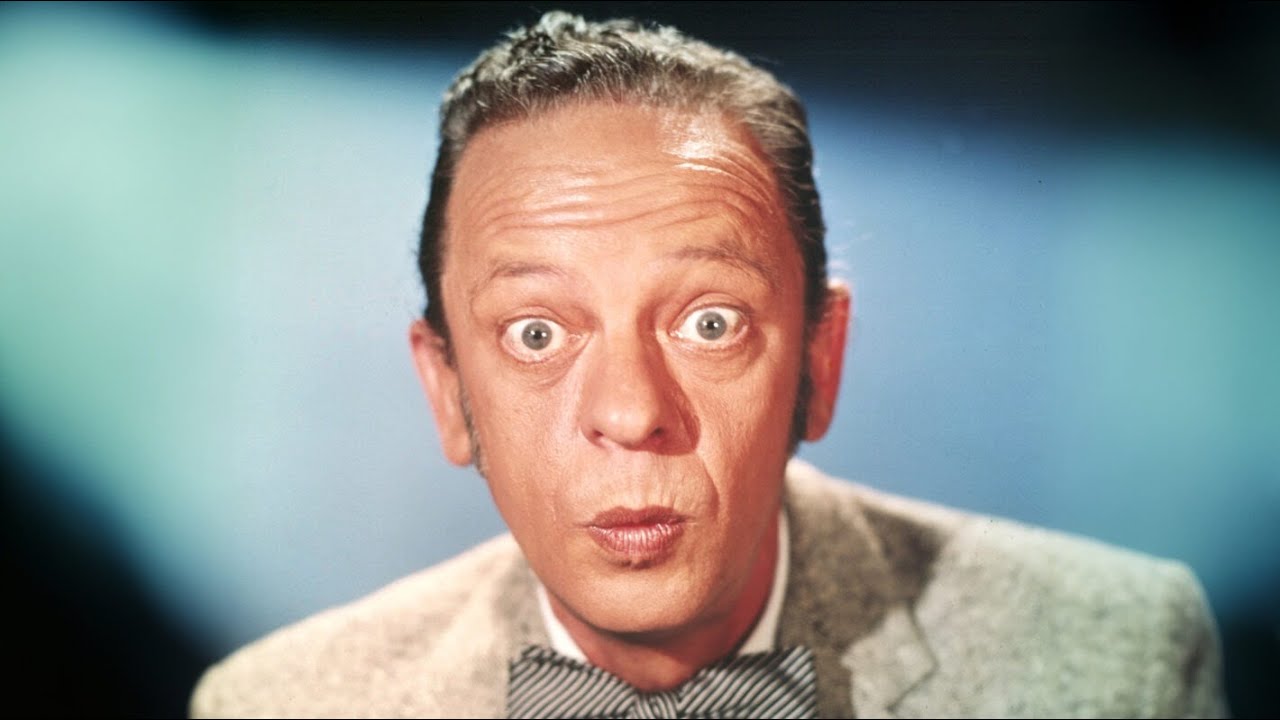
To audiences, the partnership appeared unbreakable.
So when Knotts left the show after its fifth season, fans were stunned.
For years, many assumed the explanation was simple: Don Knotts wanted to become a movie star. That was certainly part of the story. By the mid-1960s, Hollywood was offering him leading roles, and films such as The Ghost and Mr. Chicken, The Reluctant Astronaut, and The Shakiest Gun in the West would later prove he could successfully carry feature films on his own.
But the circumstances surrounding his departure were more nuanced.
One important factor involved contracts and expectations for the future of the series.
According to interviews Knotts gave later in life, he believed The Andy Griffith Show might conclude after its fifth season. When it became clear that Andy Griffith intended to continue, Knotts had already accepted opportunities elsewhere. Rather than leaving because of a personal falling-out, he found himself committed to a different career path just as the show entered a new phase.
Financial considerations also played a role.
Unlike Andy Griffith, who held an ownership interest in the series through production arrangements, Knotts worked primarily under a performer’s contract. Although he earned a respectable salary for the era, he did not share in the long-term ownership benefits associated with the show’s continuing success.
Over the years, Knotts acknowledged that he wished certain business discussions had unfolded differently. Some biographers have also suggested there were misunderstandings about future contracts and compensation. However, neither Knotts nor Griffith publicly portrayed the situation as a bitter feud. Instead, both men continued expressing admiration for one another throughout their lives.
In fact, Griffith repeatedly invited Knotts back to Mayberry.
Beginning in Season Six, Barney Fife returned for a series of memorable guest appearances that delighted audiences and demonstrated that the friendship between the two actors had remained intact despite their professional separation.
If there was disappointment, it appeared to stem more from missed opportunities than lasting resentment.
While Knotts pursued films, other cast members faced their own challenges.
Frances Bavier, who portrayed Aunt Bee, reportedly struggled with aspects of her experience on the series. A highly trained stage actress, she preferred a formal working environment and sometimes found the playful atmosphere created by Griffith and Knotts difficult to embrace.
She also expressed frustration that Aunt Bee often played a supporting role while Andy and Barney received many of the show’s biggest comedic moments. Over time, Bavier became increasingly private and distant from portions of the cast, though colleagues generally described her as reserved rather than intentionally unkind.
Years later, shortly before her death, Bavier reportedly contacted Andy Griffith to apologize for the tension that had existed between them. Griffith accepted the apology warmly, bringing a measure of closure to one of the show’s best-known behind-the-scenes stories.
Another early departure involved Elinor Donahue, who played pharmacist Ellie Walker during the first season.
Donahue later explained that she never quite felt comfortable within the established chemistry of the cast. While stories have circulated about production stress and health concerns during that period, she has generally described her decision to leave as the result of feeling that the character was no longer developing in a meaningful way.
Her departure reflected a common reality in television production: not every role evolves as originally envisioned.
The producers faced their greatest challenge after Knotts’ exit.
Attempting to fill the enormous void left by Barney Fife, they introduced Warren Ferguson, played by Jack Burns, as a new deputy. Burns was a talented comedian in his own right, but audiences inevitably compared him to Knotts.
Those comparisons proved impossible to overcome.
Rather than criticizing Burns’ performance, many observers simply concluded that Barney Fife was irreplaceable. After only one season, the character quietly disappeared, and the series shifted its focus away from trying to recreate the original partnership.
Even without Barney as a regular, The Andy Griffith Show remained remarkably successful. The series ended its final season as the number-one program on American television—an achievement matched by only a handful of sitcoms in television history.
Its success demonstrated that Mayberry remained beloved, even as the cast evolved.
Looking back, Don Knotts never described the show’s history as one dominated by scandal. Instead, he reflected on the realities of a changing entertainment industry—contracts, career opportunities, creative ambitions, and the difficult decisions performers sometimes face when balancing loyalty with professional growth.
His friendship with Andy Griffith endured for decades after the cameras stopped rolling. The two frequently reunited for television projects, interviews, and public appearances, speaking warmly about one another and acknowledging the extraordinary bond they had shared since the early 1960s.
Their partnership became one of television’s defining comedy duos not because everything behind the scenes was perfect, but because both men brought exceptional talent, generosity, and professionalism to their work.
The story of The Andy Griffith Show reminds us that even the most comforting television worlds are created by real people navigating contracts, ambitions, misunderstandings, and personal challenges. Yet despite those obstacles, the cast left behind a legacy that continues to entertain new generations more than sixty years later.