For decades, Amanda Owen and Clive Owen were seen as the embodiment of a perfect rural family: hardworking, devoted to the land, and raising nine children on their Yorkshire farm. Their lives were celebrated through television shows, books, and social media, painting a picture of family harmony that inspired thousands. Yet behind the idyllic landscapes and cozy farmhouses, life was far more complicated. In 2022, after 22 years of marriage, the couple announced their separation. Now, three years later, Amanda has spoken candidly about the pressures, tensions, and choices that led to the end of their marriage, offering insight into the challenges of fame, family, and farm life.
Amanda’s rise as a media personality played a central role in the changing dynamics of their relationship. Initially, the couple shared a traditional partnership: Clive focused on the day-to-day farm work while Amanda cared for the children and household. But as television crews arrived, books were published, and social media demanded attention, the balance shifted. Amanda’s increasing visibility and professional obligations introduced new pressures, and Clive, who had long been the backbone of the farm, began to feel overshadowed. In interviews, Amanda recalls the struggle to balance filming, media commitments, and running the farm, while trying to maintain the intimacy and privacy of family life. The constant public gaze left little room for private reflection or conflict resolution, and small frustrations began to compound.
Over time, these strains escalated. Filming schedules, travel for promotional events, and the expectations of a growing fanbase created friction. Amanda describes moments when the stress of performing a public role clashed with the needs of family and farm, leading to disagreements and tensions that neither could ignore. Sources note that the couple occasionally turned to alcohol to cope with the pressures, though both have emphasized that these were temporary outlets rather than a chronic issue. Still, the safe, predictable environment they once cherished became disrupted, and the marriage suffered.
Despite the emotional toll, Amanda and Clive remained committed to their children and the farm. Their separation was structured to minimize disruption to the family and to maintain a functional working relationship. Amanda and some of the children moved into a nearby farmhouse on the property, while Clive remained in the main house, ensuring continuity in daily farm operations. Together, they have focused on renovating a neighboring farmhouse, working as co-parents and business partners to preserve a legacy for their children.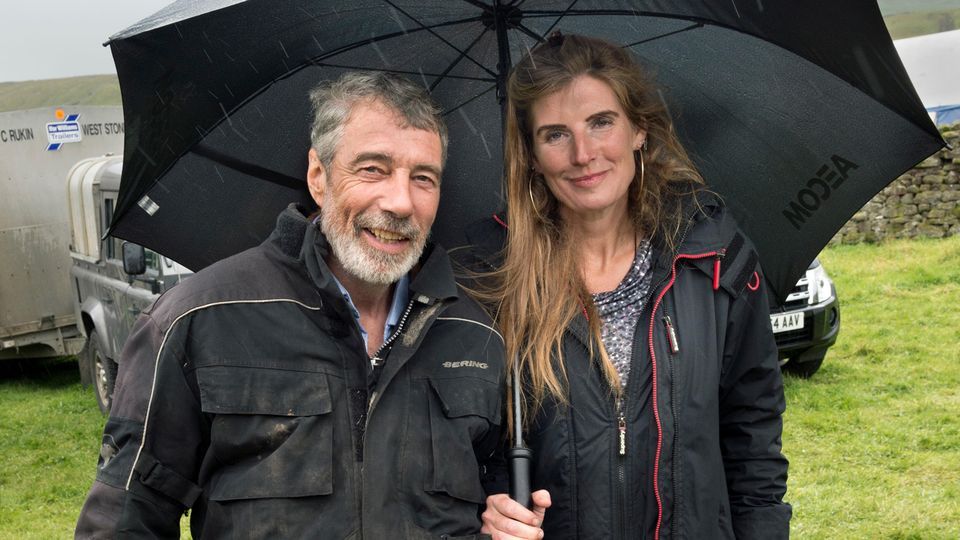
Amanda has emphasized that speaking openly about the divorce is not about blame. Instead, it is a reflection of the complexities of modern rural life intersecting with public attention. The experience has allowed both Amanda and Clive to reassess priorities, redefine boundaries, and invest in their children’s future with clarity and cooperation. In her recent statements, Amanda highlights the importance of honesty, communication, and resilience in navigating not just marriage, but partnership in all forms—be it family, business, or community.
Today, while the romantic chapter of their lives has closed, Amanda and Clive continue to work together, support each other in raising their children, and honor the life they built on the Yorkshire moors. The story of their separation is a reminder that even families who appear perfect under the camera face challenges and that love, commitment, and respect can persist in forms that go beyond marriage.