For millions of television viewers during the 1980s, Justine Bateman was instantly recognizable as Mallory Keaton, the stylish, funny, and lovable older sister on the hit sitcom Family Ties.
The series turned Bateman into one of television’s biggest young stars, making her a household name almost overnight.
Yet after the show ended, many fans wondered what happened.
Why did someone with such enormous popularity seemingly disappear from Hollywood?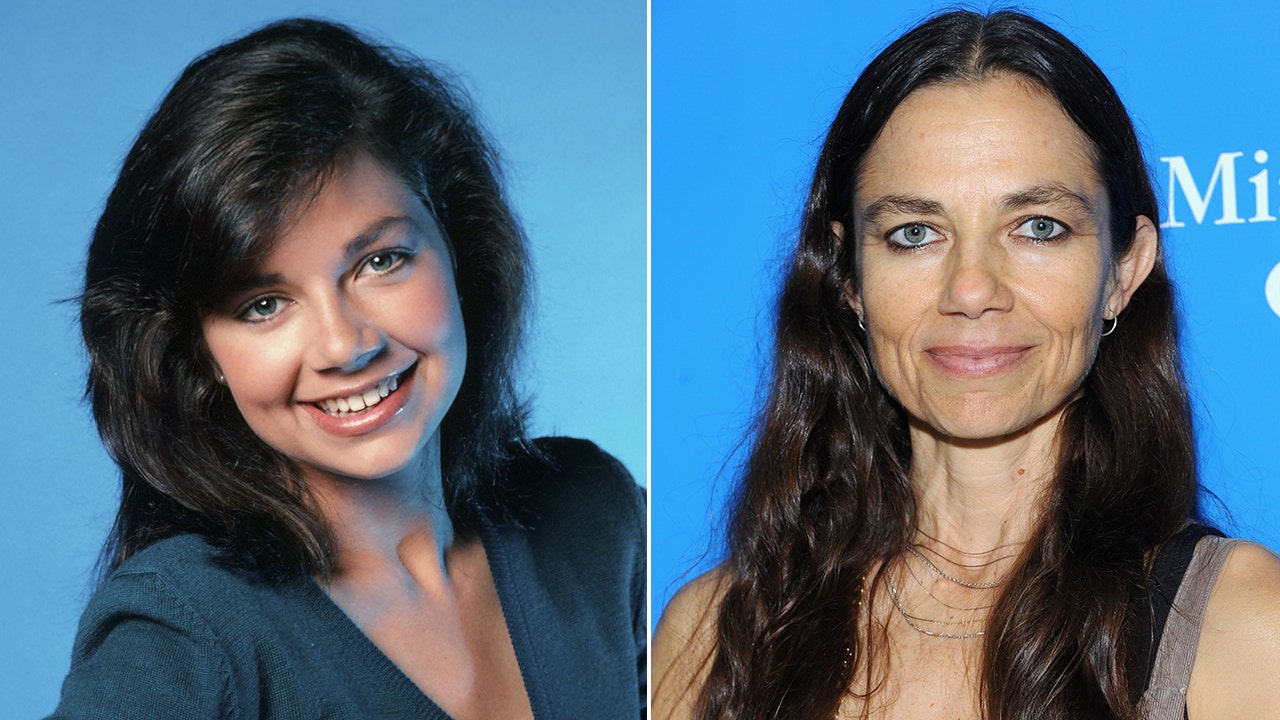
The answer isn’t one dramatic scandal or career-ending failure.
Instead, it reflects a larger story about typecasting, creative independence, and one actress’s decision to define success on her own terms.
When Family Ties premiered in 1982, Bateman was still a teenager. Her portrayal of Mallory Keaton quickly became one of the show’s highlights, balancing humor, warmth, and impeccable comic timing alongside a cast led by Michael J. Fox, Meredith Baxter, and Michael Gross.
For seven seasons, audiences watched Mallory grow up, and in many ways, they assumed Justine Bateman was no different from the character she played.
That became both a blessing and a burden.
Bateman has spoken openly about how fame gradually blurred the line between her real identity and her television persona. Fans, interviewers, and even industry professionals often viewed her through the lens of Mallory, making it increasingly difficult for people to see her as a versatile actress capable of playing dramatically different roles.
When Family Ties concluded in 1989, she hoped to expand into more mature and varied projects.
Instead, she encountered one of Hollywood’s oldest challenges: typecasting.
Casting directors frequently associated her so strongly with Mallory Keaton that they struggled to imagine her in more serious or unconventional roles. Like many actors identified with an iconic television character, Bateman found herself competing against the enormous success of her own past.
At the same time, another pressure was becoming impossible to ignore.
As she entered adulthood, Bateman found herself subjected to relentless public commentary about her appearance. Tabloids, entertainment programs, and later social media increasingly focused on how actresses looked rather than what they created.
Rather than accepting those expectations, Bateman eventually challenged them directly.
She became one of Hollywood’s most outspoken critics of the entertainment industry’s obsession with youth, arguing that aging is a natural part of life rather than something to be hidden or apologized for. Her book Face: One Square Foot of Skin explored the emotional impact of society’s fixation on women’s appearance and encouraged a broader conversation about authenticity and self-worth.
But Bateman’s reinvention went far beyond speaking out.
Instead of continuing to chase traditional acting opportunities, she deliberately expanded her interests.
She returned to school, studying computer science and digital media management, demonstrating a curiosity that surprised many who had known her only as a television actress. Her decision reflected a belief that learning should continue throughout life, regardless of previous success.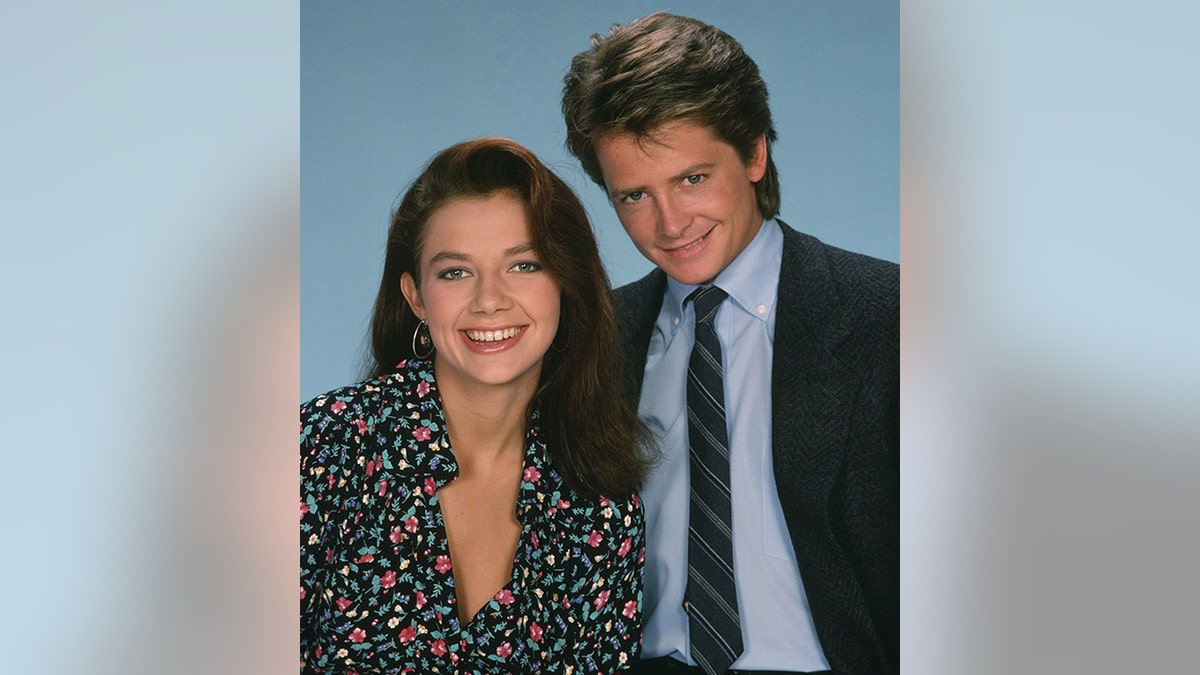
At the same time, she began building a new career behind the camera.
Bateman established herself as a writer, producer, and director, creating independent films and exploring stories that reflected her own creative vision rather than waiting for Hollywood to define her opportunities.
Projects such as Violet showcased her growth as a filmmaker and proved that her artistic ambitions extended far beyond acting.
Looking back, Bateman has suggested that stepping away from Hollywood’s traditional expectations was not a retreat but a liberation.
Rather than spending years fighting to convince others she could be something different, she chose to build a career that reflected who she actually was.
That choice required courage.
It also required redefining what success meant.
Instead of measuring achievement by magazine covers or leading roles, Bateman embraced education, filmmaking, writing, and intellectual independence—areas where she could exercise complete creative control.
Today, many people view her career very differently than they did decades ago.
What once appeared to be a disappearance now looks more like a conscious decision to leave behind an industry that often valued image over individuality.
Her story serves as a reminder that stepping away from the spotlight is not always a sign of failure.
Sometimes it is the clearest expression of personal freedom.
More than forty years after audiences first met Mallory Keaton, Justine Bateman’s legacy extends well beyond one beloved sitcom.
She remains an actress, author, filmmaker, and outspoken advocate for authenticity—someone who refused to let Hollywood determine her worth or define the rest of her life.
Perhaps that is the most remarkable transformation of all.