Terry Jacks, the Canadian music icon whose gentle falsetto carried “Seasons in the Sun” to the top of global charts, has suffered a devastating personal loss that has redefined the legacy he leaves behind. The woman who helped shape his career, his former wife and longtime musical partner Susan Jacks, has died, and the story of their shared journey is one of extraordinary triumph shadowed by profound heartbreak. Their lives, once illuminated by the bright lights of international stardom, were ultimately marked by battles fought far from the stage—battles with illness, with the crushing weight of fame, and with the ghosts of a partnership that produced some of the most memorable music of an era.
Born in Winnipeg, Manitoba, as the eldest of five boys, Terry Jacks seemed destined for a career in architecture, following in the footsteps of his successful father. His family moved to Vancouver in the early 1960s, where the pull of music proved far stronger than the draw of blueprints and drafting tables. By 18, he had formed The Chessmen with guitarist Guy Sobell, a band that would dominate the local Vancouver scene with four top-10 hits between 1964 and 1966.
 It was during this period that he met a young singer named Susan Pescovitz on the set of CBC television’s “Music Hop,” a meeting that would change everything.
Susan’s journey had begun in Saskatoon, Saskatchewan, where she was singing on local radio by age seven. By 15, she was a regular performer on “Let’s Go,” part of the “Music Hop” variety show, captivating audiences with a voice that broadcaster Terry David Mulligan later remembered as belonging to an “exceptionally kind, talented, and humble person.” In 1966, she needed a rhythm guitarist for a gig in Hope, British Columbia.
After calling every guitarist she knew, she was referred to Terry Jacks, whose previous band had just broken up. That single performance forged a partnership that would become The Poppy Family, a name they chose from a dictionary description of a “varied species of flowering plant.”
Their unique sound, blending Susan’s emotional vocals with Craig MacCauley’s guitar work and Satwant Singh’s traditional Indian tabla percussion, made them one of Canada’s most creative acts. But behind the scenes, their marriage and band was a pressure cooker. Terry’s perfectionism was relentless.
Recalled by former band member Bruce McGaw, their live shows occasionally descended into chaos, with arguments so intense that Susan would famously throw down her tambourine and storm off stage in tears. Yet, the music they made together was transcendent. When they released “Which Way You Goin’ Billy?”
 in 1969, it transformed them into international stars, selling over 2. 5 million copies worldwide. The song, held back from the number one spot in America only by The Beatles and Ray Stevens, was born from a painful studio session where Terry deliberately pushed a devastated Susan to capture the genuine heartbreak he felt the lyrics demanded.
The enormous success, however, fractured the group. Terry dismissed MacCauley and Singh, reducing the band to a duo, and the relentless pressure of managing every aspect of their career took a toll on their marriage. They divorced in 1973, yet the professional collaboration continued, albeit in a complex and often adversarial manner.
Susan launched a successful solo career, with her debut album earning a Juno nomination, while Terry pursued his own path. But it was his solo work that would eclipse everything. His cover of “Seasons in the Sun,” released in 1973, became a global phenomenon, staying at number one on the Billboard Hot 100 for three weeks and selling over six million copies worldwide.
The song itself was a masterpiece of rewriting. Originally Jacques Brel’s “Le Moribond,” a tale of a dying man betrayed by his wife and best friend, Terry completely reshaped the lyrics. His version was not one of betrayal, but of grief and acceptance, inspired by the recent death of his close friend Roger from acute leukemia.
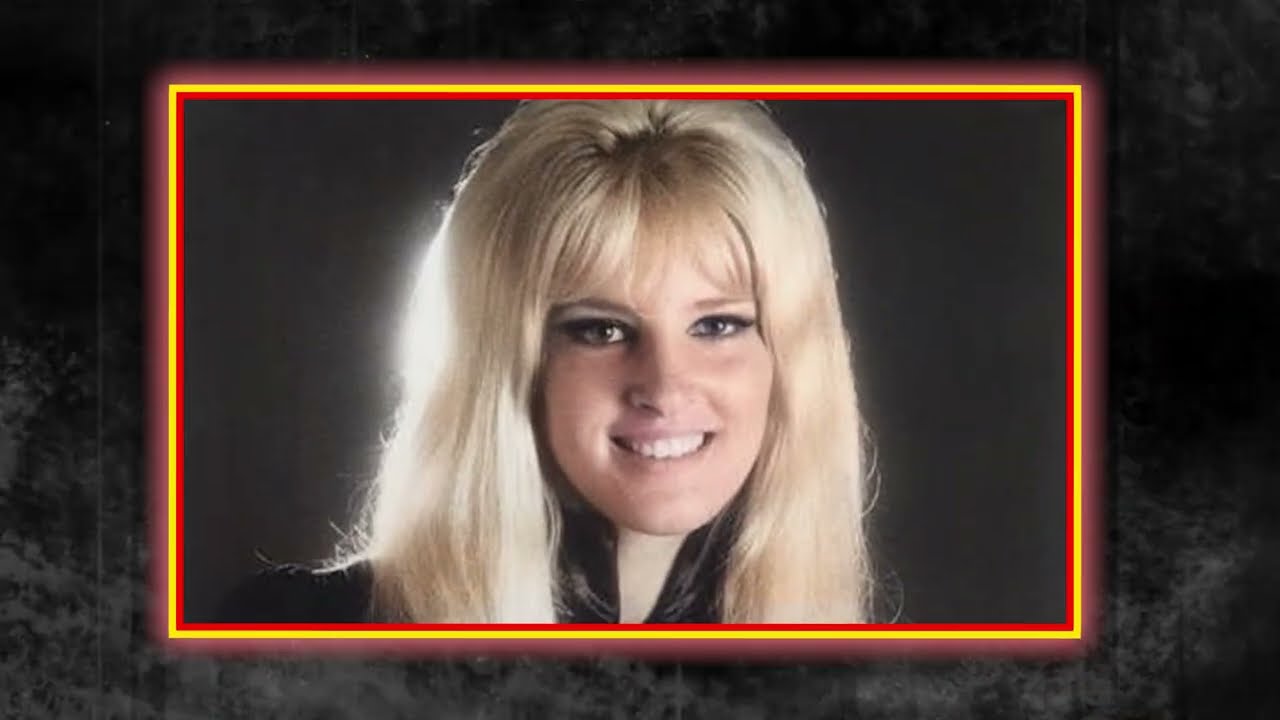 He added a new final verse and turned the song into a universal farewell to a father, a best friend, and a loved one. Despite its success, Terry struggled with it, admitting he never felt comfortable earning money from such a personal tribute. He bought a boat and named it Seasons in the Sun, sailing the coastlines of Canada and Alaska as he stepped away from the relentless promotion of the music business.
Burned out and disillusioned by the pressures of pop stardom, he quit almost completely, devoting himself to Christianity and environmental activism.
As the decades passed, the personal costs of their shared history became even more apparent. In 2016, a frightening coincidence struck. Both Terry and Susan were hospitalized simultaneously with life-threatening conditions.
Terry suffered two strokes within six months, while Susan was placed on life support at Surrey Memorial Hospital due to severe complications from kidney disease. Against all odds, both recovered, with Susan even returning to the studio in 2018. But her body was failing.
 After years of battling kidney disease and surviving a transplant from her brother in 2010, an overwhelming infection claimed her life on April 25, 2022, at the age of 73, while she waited for another kidney transplant.
Terry paid tribute to his former wife, remembering her as someone with a kind heart who brought his songs to life with her remarkable voice. He said she would live on “beyond the clouds,” a poignant reference to their first recording together. The loss of Susan Jacks, a voice that defined an era of Canadian music, leaves a void that no chart position could ever measure.
For Terry Jacks, the man who gave the world a song about saying goodbye, the final, heartbreaking goodbye has now come for the partner who helped him shape it all. Their legacy, once defined by the success that broke them, is now forever intertwined with the grace and struggle of the life they shared.