Dustin Hoffman is finally pulling back the curtain on the ending that has haunted audiences for more than half a century. The Oscar-winning actor, who starred as Benjamin Braddock in the 1967 classic The Graduate, says the film’s final moments are not the triumphant love story generations of fans believed they were watching. Instead, Hoffman reveals, those last few seconds quietly dismantle the entire fairy-tale ending, and most viewers have never caught it.
For decades, audiences have walked away from the movie convinced they just watched love win. Benjamin interrupts the wedding, grabs Elaine, and the couple flees together into an uncertain future that still seemed bright. Case closed.
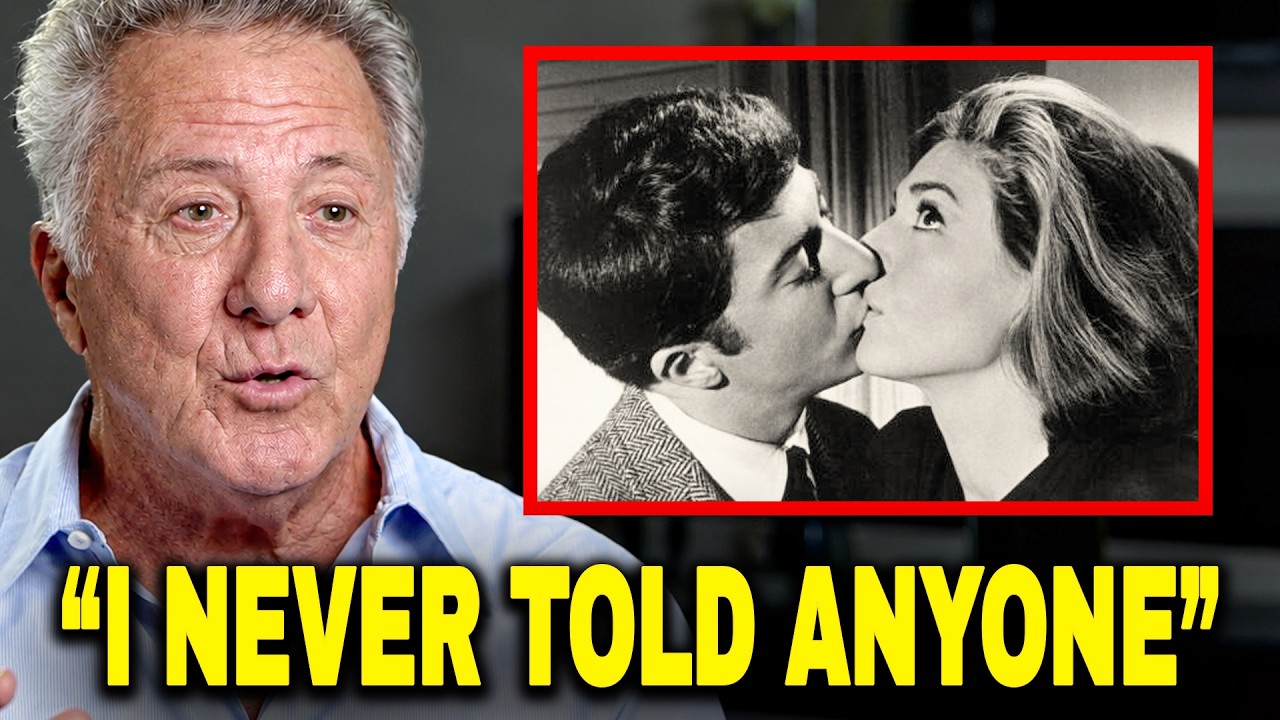 But Hoffman is now saying the real intention behind the final scene was the exact opposite. The famous bus ride, with Simon & Garfunkel’s “The Sound of Silence” swelling in the background, was never about hope. It was about repeating the same tragic mistakes that ruined the generation before them.
Hoffman’s revelation centers on a specific choice made in the last few seconds of the film. Those huge smiles that appear to radiate triumph slowly fade from Benjamin and Elaine’s faces as the camera lingers. Most people assumed that was just dramatic pause before the credits.
Hoffman says that moment is everything. It’s the instant both characters realize they have no idea what comes next, and that realization changes the entire meaning of the movie.
The shift is subtle, but once you see it, the story changes completely. The excitement of the escape has vanished, and in its place is a growing terror. Benjamin no longer has his parents’ safety net.
Elaine has abandoned her education and humiliated her family. Neither has a job. They can’t go home.
The fairy tale is already crumbling before the credits even roll.
Hoffman points out that the deeper tragedy is that Benjamin and Elaine end up repeating the very patterns that doomed their parents. Mrs. Robinson became pregnant before marriage and was forced into a loveless relationship.
 Elaine, though not pregnant, is making an equally impulsive, life-changing decision with someone she barely knows. Benjamin, who started the film directionless and dependent, is now even more lost than when he was floating in that swimming pool.
The actor’s comments add a layer of darkness to a movie already known for its cynical edge. The Graduate was never a conventional Hollywood romance. It came out during a cultural revolution and spoke to a generation that questioned everything, including the institution of marriage and the promise of suburban happiness.
Hoffman is now confirming that the ending was designed to leave the audience unsettled, not satisfied.
The final scene, in which Benjamin smashes the church door glass and escapes into a city bus, has been parodied endlessly in everything from The Simpsons to Wayne’s World 2. But those parodies all miss the point, Hoffman suggests. They treat the wedding interruption as the ultimate romantic gesture, the moment true love destroys all obstacles.
The real film refuses that fantasy. It forces its characters to sit with the consequences of their decision, and it forces the audience to do the same.
Hoffman’s performance as Benjamin Braddock launched him into stardom, but his career before The Graduate was full of rejection. He was told he wasn’t handsome enough to be a leading man. His aunt Pearl openly doubted he could make it in Hollywood.
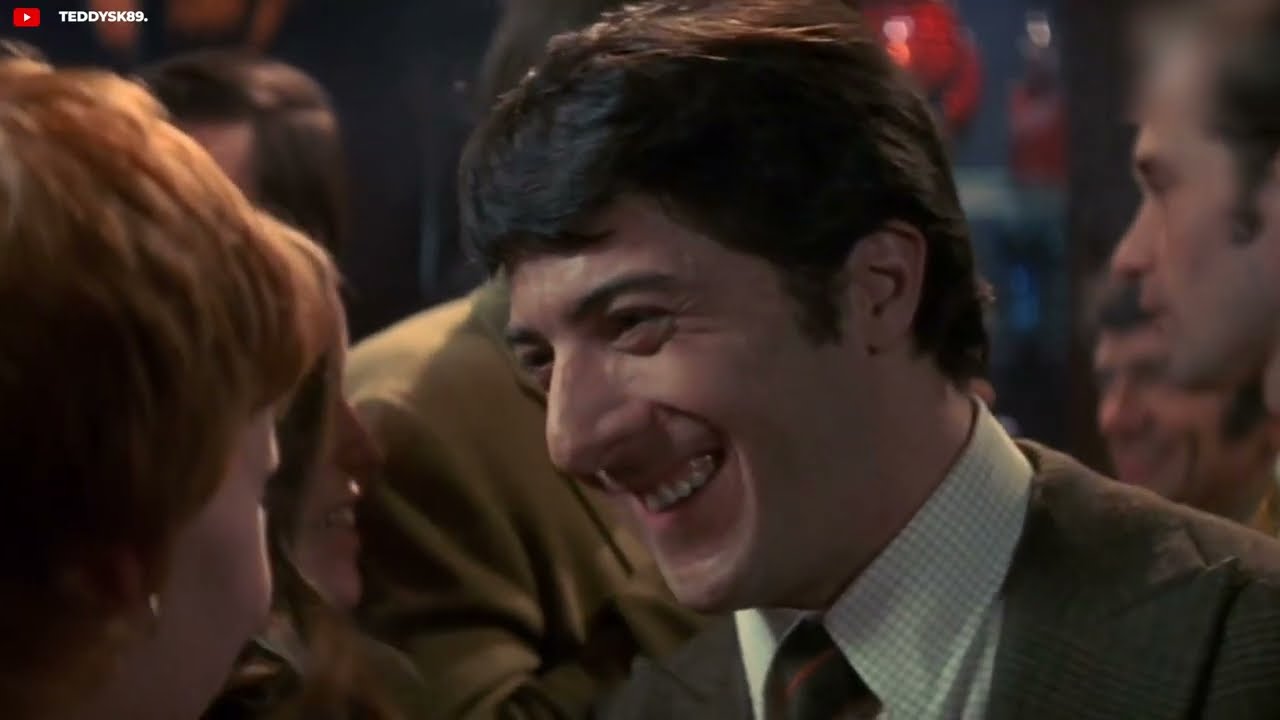 Robert Duvall, his former roommate, once joked that Hoffman looked like Barbra Streisand in drag. Those setbacks made the eventual Oscar nomination for The Graduate all the more surprising, and the film itself became a generational touchstone.
But the actor has never fully embraced the romantic reading of the movie. He has said for years that the character was not a hero, but an aimless young man torn between conformity and impulse. Now he is explicitly stating that the ending shows the couple staring into an abyss.
The adrenaline of their escape vanishes, and all that remains is the silent realization that they have ruined their lives.
The original novel by Charles Webb actually ends with a bit more ambiguity, but the film creates its own emotional landscape through those final lingering shots. Director Mike Nichols made a deliberate choice to hold the camera on Benjamin and Elaine’s faces as they ride away from everything they’ve ever known. In that silence, the victory turns into doubt, and doubt turns into horror.
Hoffman now wants fans to understand that was always the point.
There are no easy answers for the couple. Elaine has publicly shattered her family’s reputation. Benjamin has alienated his parents and the woman who once pursued him.
 Their future is a blank space filled with unpaid bills, no education plans, and the weight of a stolen wedding. The movie doesn’t show what happens next, but Hoffman is making it clear that expecting a happily ever after is a complete misreading of the director’s vision.
This interview with Hoffman has reignited debate around the film’s legacy. Critics who have long defended the ending as bittersweet are likely to reassess. Fans who grew up wanting Benjamin and Elaine to succeed are being forced to confront the uncomfortable truth that they may be witnessing the start of another unhappy marriage.
The cycle, as Hoffman implies, is inescapable.
At the center of the revelation is that unforgettable look shared by Hoffman and co-star Katharine Ross as they ride the bus. For a brief moment, they seem to be asking each other, “What have we done?” The question hangs over the credits and never receives an answer.
That unanswered question is the true legacy of The Graduate. It is not a love story. It is a warning.
For over fifty years, viewers have walked away from the film believing they just watched a romance defy the odds. Dustin Hoffman now says that interpretation was always wrong. The odds were never defeated.
The couple simply traded one cage for another. And through the bus window, as the city fades behind them, Benjamin and Elaine are finally beginning to see the bars.