To television audiences, Paul Lynde was unforgettable. With his unmistakable laugh, razor-sharp wit, and scene-stealing appearances on Bewitched and Hollywood Squares, he became one of America’s most beloved comedians. But behind the perfectly timed punchlines was a man carrying a secret that Hollywood—and society—made almost impossible to live openly.
Born in Mount Vernon, Ohio, in 1926, Lynde often spoke about feeling different from an early age. Growing up in a large family, he struggled with insecurity and a deep desire to be noticed. Serious childhood illness, relentless teasing, and the loss of close family members left emotional scars that followed him into adulthood. Over time, humor became both his greatest gift and his strongest defense.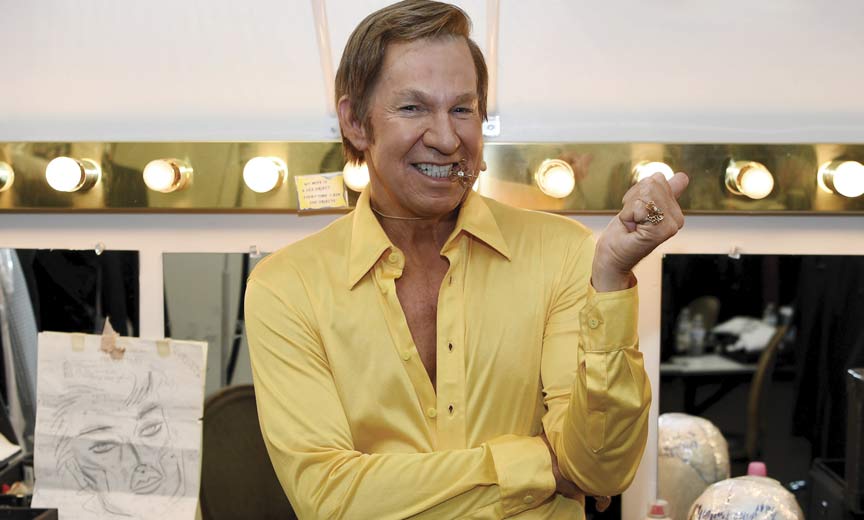
After studying drama at Northwestern University, Lynde moved to New York determined to become a performer. His breakthrough arrived with Bye Bye Birdie on Broadway, earning him widespread recognition and eventually opening the door to television and film. Throughout the 1960s and 1970s, memorable appearances in shows like Bewitched, The Dean Martin Show, and especially Hollywood Squares turned him into one of the most recognizable comic personalities in America.
Yet while his career flourished, his private life remained carefully hidden.
During an era when openly gay performers often feared losing work, Lynde rarely spoke publicly about his sexuality. Instead, he developed a unique comedic
style filled with playful double meanings and clever innuendo—allowing audiences to laugh while revealing just enough of himself without directly challenging Hollywood’s expectations.
Friends later recalled that the silence came at a heavy personal cost. Lynde longed for lasting companionship, but many of his relationships remained private and, by necessity, discreet. Living under constant scrutiny meant that trust was difficult to find, and genuine intimacy often felt out of reach. According to those who knew him well, he privately admitted that hiding such a fundamental part of his identity left him feeling isolated despite enormous professional success.
As the years passed, personal disappointments, career frustrations, and the pressures of maintaining a carefully managed public image took their toll. Lynde openly struggled with alcohol, and colleagues often observed that behind his quick wit was someone wrestling with profound loneliness.
Even so, he never stopped making people laugh.
On Hollywood Squares, where he appeared in well over a thousand episodes, his perfectly timed one-liners became television history. Viewers saw confidence, charm, and effortless humor, rarely realizing how much of his own vulnerability was hidden beneath the jokes.
Looking back today, Paul Lynde’s story is less about scandal than survival. He belonged to a generation of entertainers who often felt compelled to separate their public identities from their private lives simply to protect the careers they had worked so hard to build. While times have changed, his journey remains a powerful reminder of the emotional cost many performers paid simply for being themselves.
His legacy endures not only because he made millions laugh, but because his life reflects the resilience of someone who continued to bring joy to others even while carrying burdens few people ever saw.