
Mein Handy summte genau im falschen Moment. Ich stand im Vorbereitungstunnel unter dem Kresge-Auditorium des MIT, trug einen Toga-Taler, dessen Miete 47 Dollar gekostet hatte, und Stöckelschuhe, die sich bereits schmerzhaft in meine Zehen gefressen hatten. Der Tunnel roch nach altem Teppich und nervösem Schweiß. Um mich herum fuchtelten 300 MIT-Absolventen an ihren Hüten herum, probten Händedrucke und schrieben ihren Familien, die aus allen Ecken der Welt angereist waren.
Meine Familie war aus New Jersey angereist. Mein Vater, George Thompson – Bauunternehmer in dritter Generation, ein Mann aus Beton, Stahl und der unerschütterlichen Gewissheit darüber, was real war und was nicht – saß in der ersten Reihe auf Platz C7. Ich hatte diesen Platz selbst gebucht. Ich hatte seinen Flug, sein Hotel und die Reservierung im Edelrestaurant Ostra danach bezahlt. Ich hatte diesen Moment so geplant, wie ich alles plante: sorgfältig, präzise, bis ins kleinste Detail.
Und dann summte mein Handy.
Ich blickte hinab. Sein Name auf meinem Display. Und darunter elf Worte, die mich wie ein Faustschlag ins Brustbein trafen:
„Erwarte ab jetzt keine Hilfe mehr von mir. Du bist auf dich allein gestellt.“
Ich las es zweimal, dann ein drittes Mal. Die Absolventin neben mir fragte, ob alles in Ordnung sei. Ich muss unwillkürlich ein Geräusch gemacht haben. „Mir geht’s gut“, sagte ich. Meine Hände zitterten nicht. Ich hatte in den letzten sechs Jahren gelernt, mich in Momenten zusammenzureißen, in denen schwächere Versionen von mir zerbrochen wären. Aber hinter meinem Brustbein war es plötzlich mucksmäuschenstill geworden.
Ich dachte an das 12-jährige Mädchen, das im Arbeitszimmer ihres Vaters gesessen hatte und ihm erklären wollte, was sie programmierte. An die 16-Jährige, die ihn anflehte, sich nur einmal anzusehen, was sie tat. An die 18-Jährige, die einen 20-seitigen Businessplan in ihrer Tasche trug und ihn ungelesen wieder mitnahm. Dieses Mädchen wollte weinen. Aber ich war nicht mehr dieses Mädchen.
Mein Handy summte erneut. Ein anderer Kontakt: Lena. Und die nächsten vier Minuten veränderten alles.
Um zu verstehen, was auf dieser Bühne geschah, muss man verstehen, wer George Thompson war. Mein Vater baute Dinge. Das war sein Kern. Er war auf den Baustellen New Jerseys großgeworden und hatte die Thompson Construction Group aufgebaut – Einkaufszentren, Autohäuser, Kommunalbauten und schließlich eine Stadionerweiterung außerhalb von Philadelphia. Reale Dinge. Dinge, die man anfassen und auf die man vom Auto aus zeigen konnte: „Das habe ich gebaut.“
Er hatte zwei Söhne, bevor es mich gab. Mark führte mittlerweile eine erfolgreiche Kette von Autohäusern, David besaß Fitnessstudios. Beide bauten auf ihre Weise greifbare Dinge. Mein Vater liebte sie mit einer Einfachheit, die ich schön und zugleich erstickend fand.
Und dann war da ich. Ich interessierte mich für unsichtbare Systeme. Mit 12 schrieb ich mein erstes Skript, mit 14 fand ich eine Sicherheitslücke im Netzwerk unserer Schule. Mein Vater hielt es für eine Phase. „Schlaues Mädchen“, sagte er immer. „Du wirst schon noch herausfinden, was du wirklich machen willst.“ Er war nicht grausam oder bösartig. Er liebte mich einfach so, wie man ein schönes Gemälde liebt, das an keine Wand im Haus passt.
Als ich 18 war und die Zusage fürs MIT bereits in der Tasche hatte, saß ich ihm im Arbeitszimmer gegenüber. Er schob zwei Umschläge über den Mahagonitisch – für meine Brüder.
„Ich habe mir überlegt, was für dich Sinn ergibt“, sagte er lächelnd. „Deine Brüder brauchen jemanden auf der finanziellen Seite. Jemanden, dem sie vertrauen können. Das bist du, Mila. Du warst schon immer die Schlaueste.“
„Ich habe einen Businessplan“, sagte ich vorsichtig und deutete auf mein Dokument. „20 Seiten. Marktanalysen, Bedrohungsszenarien. Ich habe eine Lücke in der Cybersicherheit für den Mittelstand entdeckt …“
„Tech ist eine Blase, Mila“, unterbrach er mich sanft, als erkläre er einem Kind die Schwerkraft. „Cybersicherheit? Da gibt es tausend Firmen. Große Firmen mit Ressourcen, mit denen du nicht konkurrieren kannst. Der Schreibtisch hier wird immer auf dich warten, wenn du bereit bist.“
In seinen Augen sah ich etwas, das schlimmer war als Missachtung: Mitleid.
Ich stand auf, nahm meine ungelesenen 20 Seiten und ging. In diesem Flur traf ich mit 18 Jahren eine Entscheidung: Ich würde ihm kein einziges Wort mehr über das erzählen, was ich baute, bis es vollendet war. Er sollte es auf dieselbe Weise erfahren wie der Rest der Welt.
Das Studium am MIT war kein Spaziergang. Es bedeutete vier Stunden Schlaf in guten Nächten. Es bedeutete Yum-Yum-Nudeln an fünf Tagen hintereinander, als ein Fehler bei der Auszahlung der Ausbildungsförderung mich mit 340 Dollar im Rückstand ließ und ich zu stolz war, zu Hause anzurufen. Ich arbeitete an den Wochenenden als Kellnerin in Cambridge, wo meine Füße um Mitternacht so wehtaten, dass ich mich im Kühlraum auf den Boden setzte, nur um die Kälte zu spüren.
Mein Vater rief jede Woche an. „Wie läuft das kleine Computer-Projekt?“, fragte er stets. „Gut, Papa“, antwortete ich. „Ich muss auflegen.“
Aus meinem Abschlussprojekt entstand Data Halo. Die Idee: Mittelständische Unternehmen (50 bis 500 Millionen Dollar Umsatz) wurden von Ransomware-Attacken vernichtet, weil sie zu groß für Konsumenten-Software und zu arm für sündhaft teure Konzernlösungen waren. Ich entwickelte eine adaptive Bedrohungserkennungs-Plattform für genau diese Lücke.
Die Absagen von Risikokapitalgebern folgten schnell. Ein Investor im feinen Anzug lehnte sich einst zurück und sagte: „Junge Dame, tun Sie sich einen Gefallen: Arbeiten Sie erst mal 5 Jahre irgendwo, lernen Sie das Handwerk und kommen Sie dann wieder.“ Ich heulte 11 Minuten lang im Regen auf dem Gehweg. Dann wurde ich wütend. Die gute Art von Wut – die, die deinen Verstand schärft.
Dann traf ich Lena Park. Sie war ehemalige Finanzvorständin eines Logistik-Start-ups. Nach vier Minuten Gespräch sagte sie mir direkt ins Gesicht, dass mein Preismodell falsch war, aber meine Technologie brillant. Acht Wochen später kündigte sie ihren Sechsziffern-Job und stieg bei mir ein. Wir arbeiteten aus einer fensterlosen Besenkammer in Kendall Square.
Unser Durchbruch war Dr. Patricia Voss, COO eines Logistikgiganten mit 4 Milliarden Dollar Umsatz. Nach einem Pilotversuch, bei dem Data Halo eine schwere Sicherheitslücke schloss und dem Konzern schätzungsweise 800.000 Dollar Schaden ersparte, unterzeichnete sie einen nordamerikaweiten Vertrag.
Wir skalierten. Wir stellten ein. Bei der Series-B-Finanzierungsrunde wurde Data Halo mit 400 Millionen Dollar bewertet. Ich war 26.
Ich erzählte meinem Vater kein einziges Wort. Nicht, als das Forbes-Magazin mich auf die „30 unter 30“-Liste setzte. Nicht, als wir den Börsengang (IPO) vorbereiteten. Ich lud ihn lediglich 6 Wochen vor der Abschlussfeier formell zur MIT-Graduierung ein. Er und meine Stiefmutter Carol bekamen First-Class-Flüge und vier Nächte im Luxushotel. Ich wollte, dass er da war. Irgendwo tief in mir war ich immer noch das Mädchen mit den 20 Seiten im Rucksack.
Im Tunnel blickte ich erneut auf seinen Text: „Erwarte ab jetzt keine Hilfe mehr von mir. Du bist auf dich allein gestellt.“
Sechs Jahre Schweigen. Und das war sein Zug: Eine Nachricht im Moment vermuteter maximaler Hilflosigkeit zu schicken, während er auf dem von mir bezahlten Platz saß.
Da nahm ich Lenas Anruf entgegen.
„Mila …“, ihre Stimme zitterte – etwas, das ich in vier Jahren Partnerschaft noch nie erlebt hatte. Im Hintergrund dröhnte ohrenbetäubender Lärm, Jubel, knallende Sektkorken. „Sag mir die Zahl, Lena“, verlangte ich mit trockenem Mund.
„Der Börsengang ist durch. Die Aktie schießt durch die Decke … Wir haben die 1,3 Milliarden Dollar geknackt! Du hast es geschafft, Mila! Du bist die CEO eines Unicorn-Unternehmens!“
„Mila Thompson!“, rief der Sprecher im Auditoriumssaal meinen Namen auf.
„Ich muss mir mein Diplom abholen“, flüsterte ich ins Telefon. Lena lachte durch Tränen. „Geh! Geh da raus!“
Ich rückte meinen Hut zurecht und trat aus dem Tunnel ins Licht. Es waren genau 43 Schritte bis zur Mitte der Bühne.
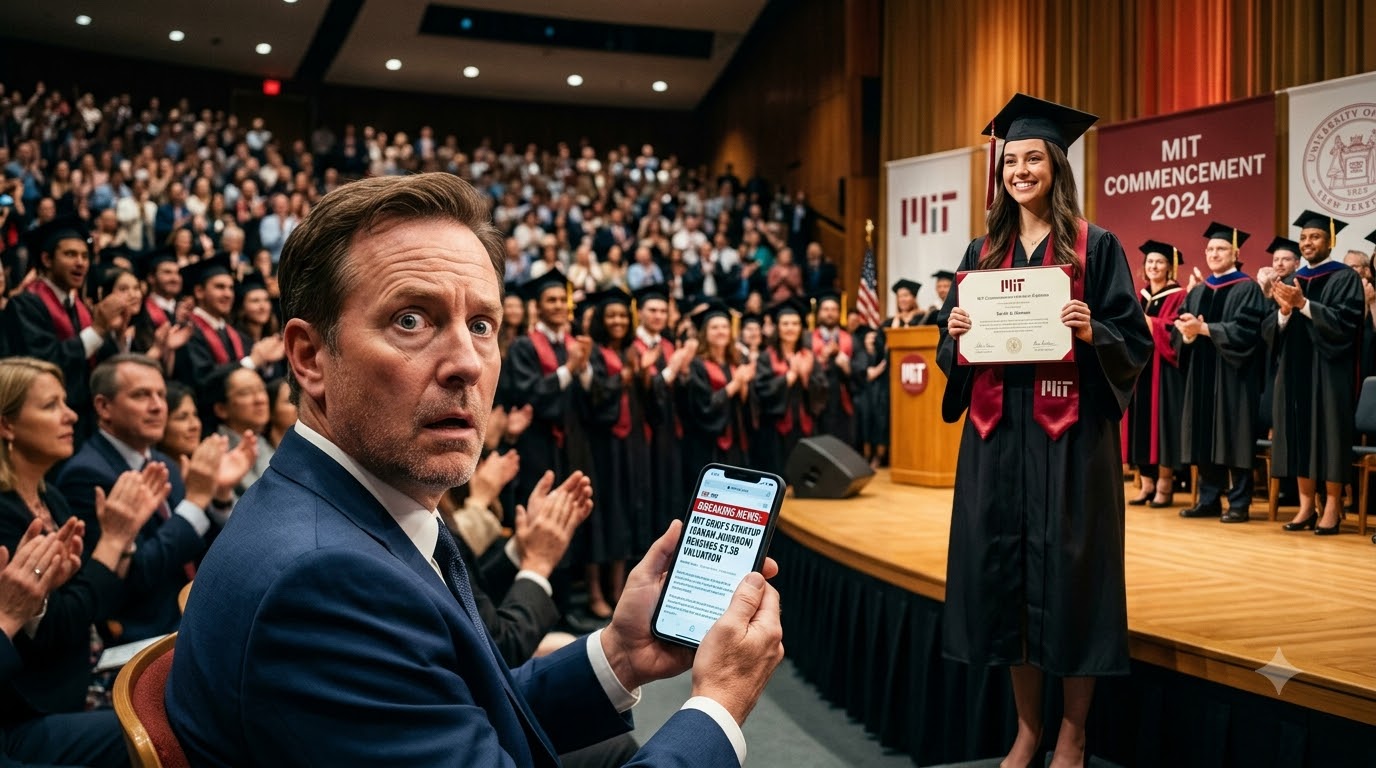
Das Auditorium fasste 2.000 Menschen. Als ich die Bühne betrat, blickte ich in die erste Reihe zu Platz C7. Mein Vater starrte auf sein Handy. Sein Gesicht war blass – kreidebleich, als wäre alles Blut auf einmal entwichen. Seine Stiefmutter Carol klatschte gerührt, ahnungslos über die Börsennews auf seinem Display.
Mein Vater blickte langsam auf. Unsere Blicke trafen sich. Ich hielt mein Diplom in der Hand. Der Dekan schüttelte mir die Hand und wiederholte meinen Namen im Mikrofon.
Ich stand in der Mitte der Bühne, fixiert von den Kameras der Lokalpresse, und ich lächelte meinen Vater an.
Es war genau das Lächeln, das er mir vor vier Minuten per Textnachricht und vor acht Jahren in seinem Arbeitszimmer gegeben hatte. Ein Lächeln, das sagte: „Ich weiß etwas, das du noch nicht weißt.“
Ich sah, wie es bei ihm klickte. Die Arithmetik des Moments: Der Name seiner Tochter auf dem Diplom, der Name seiner Tochter in den Finanznachrichten auf seinem Smartphone, das Gesicht seiner Tochter auf der Bühne. Der Mann, der mir keinen einzigen Dollar für meinen Traum gegeben und mir einen Buchhalter-Schreibtisch angeboten hatte, saß auf einem Stuhl, den ich bezahlt hatte, in einer Reihe, die ich reserviert hatte, und musste zusehen, wie die Welt meinen Namen lernte.
Beim anschließenden Abendessen im Ostra gab es keine Szene. Ich brauchte keine. Ich beglich die Rechnung mit meiner Kreditkarte.
Als wir aufstanden, sah mein Vater mich an. Sein Gesicht zeigte diesen seltenen, schwierigen Ausdruck, den er immer hatte, wenn er kurz davor war, sich zu entschuldigen. „Mila …“, begann er. „Ich wusste es nicht. Ich wusste nicht, was du da baust.“
Ich sah ihn an. „Doch, das wusstest du“, sagte ich ruhig. „Du hast nur nicht geglaubt, dass es real ist.“
11 Tage später brachte das Wall Street Journal ein dreiseitiges Porträt über mich: „Mila Thompson: Die CEO, die ein Milliarden-Unternehmen in aller Stille baute.“ Mein Vater schickte mir am Tag darauf eine Nachricht: „Stolz auf dich.“ Drei Worte nach all den Jahren. Ich antwortete kurz: „Danke, Papa.“
Das ist jetzt zwei Jahre her. Data Halo beschäftigt heute über 640 Mitarbeiter. Mein Vater und ich telefonieren meist sonntags. Er stellt jetzt echte Fragen – nicht mehr „Wie läuft das kleine Computer-Projekt?“, sondern Fragen zur europäischen Expansion. Er lernt dazu. Der Schreibtisch in seinem Arbeitszimmer gehört jetzt meinem Bruder Mark, der die Bücher der Baufirma führt. Ich habe nie einen Schreibtisch gebraucht.
Wenn mich junge Gründer heute fragen, was mich angetrieben hat, erzähle ich ihnen von der Wut – der guten Art, die einen schärft. Die Textnachricht meines Vaters im Tunnel war das Ehrlichste, was er mir je mitgeteilt hatte. Er dachte, er schließe eine Tür. Aber geschlossene Türen erzeugen extremen Druck. Und Druck zerstört dich nicht, wenn du die richtige Architektur hast, um ihn zu halten. Er macht dich nur noch klarer.
Ich bin über diese Bühne gegangen mit dem Beweis von 1,3 Milliarden Dollar, dass ich recht hatte. Dann bin ich zurück an die Arbeit gegangen. Denn das ist es, was wir tun. Das ist alles, was wir je getan haben.