
Fünfzehn Jahre lang zwangen mich meine Eltern dazu, als ihr verstorbener Sohn zu leben. Fünfzehn Jahre einer erfi***enen Identität, bis ich fliehen konnte und nie wieder zurückblickte. Erst ein Jahr später stand meine Mutter plötzlich wieder vor mir und bat um die Tochter, die sie einst weggeworfen hatte.
Alles begann, als ich fünf Jahre alt war. Mir fiel auf, dass meine Eltern mich plötzlich Andrew nannten anstatt Amelia. Sie zogen mir Polohemden und Jungenkleidung an. Da ich keine Geschwister hatte, hielt ich das für normal. Ich spielte mit, ließ mir die Haare kurz schneiden und korrigierte jeden, der weibliche Pronomen verwendete. In meinem Kinderzimmer hingen NBA-Poster und Actionfiguren. Schließlich lernte ich schnell, dass die Liebe meiner Eltern weitaus wichtiger war als meine eigenen Wünsche. Wenn ich eigentlich mit Barbies spielen wollte, unterdrückte ich diesen Wunsch in der Hoffnung, eines Tages der Sohn zu sein, den sie sich immer gewünscht hatten.
Sogar in der Grundschule nutzte ich die Jungentoilette und schaffte es irgendwie ins Jungen-Footballteam. Je maskuliner ich mich verhielt, desto mehr Liebe bekam ich. Sie behandelten mich wie einen kleinen König.
Doch als ich fünfzehn wurde, bekam ich meine erste Periode. Ich dachte panisch, ich müsse sterben, da mich niemand je über die weibliche Pubertät aufgeklärt hatte. Ich rannte zu meiner Mutter, doch sie schrie mich nur an und erlitt einen Nervenzusammenbruch. Mein Vater sperrte mich daraufhin in ein Zimmer und sprach mich zum ersten Mal seit Jahren wieder mit meinem echten Namen an: „Amelia“.
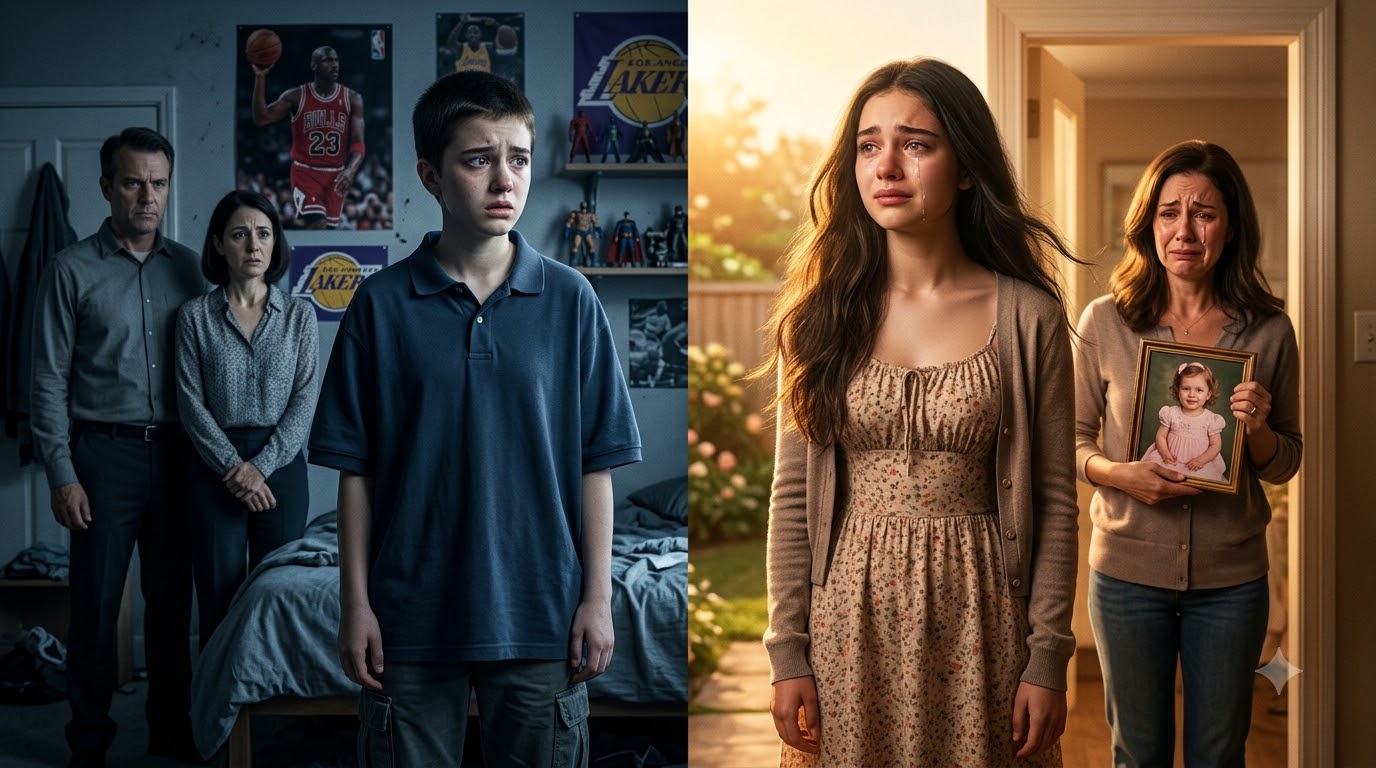
Da erfuhr ich die Wahrheit: Ich hatte einen älteren Bruder gehabt, doch bei seiner Geburt gab es Komplikationen und meine Mutter erlitt eine Fehlgeburt. Als sie erfuhr, dass ich ein Mädchen war, brach die unterdrückte Trauer wieder aus. Um den Schmerz zu betäuben, erzogen sie mich als Andrew. Mein Vater bat mich unter Tränen, weiterhin Andrew zu bleiben – als Gefallen für meine Mutter, bis ich ausziehen würde.
Aber ich konnte nicht mehr. Ich kaufte mir von meinem eigenen Geld Kleider und Röcke. Als meine Mutter das sah, nahm sie eine Küchenschere und zerschnitt meine Kleidung. Ich wählte den Notruf. Doch als die Polizei eintraf, verdrehte meine Mutter die Geschichte und behauptete, ich sei emotional instabil und sie wolle mich nur vor Selbstverletzung schützen. Die Polizisten glaubten ihr und rieten lediglich zu einer Familientherapie.
Ich fühlte mich gefangen, fälschte ein Tagebuch für Beweise und sparte heimlich Geld. Die von meiner Mutter arrangierte Therapie bei einem befreundeten Arzt war reine Manipulationssache. Ein Befreiungsversuch über die Schulberaterin scheiterte ebenfalls, da meine Mutter mich sofort von der Schule nahm und mein Handy beschlagnahm.
Die Rettung kam durch meine Mitschülerin Charlotte. Als meine Eltern verreisen mussten und mich bei einer älteren Nachbarin, Mrs. Chen, unterbrachten, schlich ich mich nachts heraus. Charlottes Vater, ein Sozialarbeiter, nahm mich auf. Gemeinsam schalteten sie die Organisation Rainbow Bridge ein, die Jugendlichen in Krisensituationen hilft.
Obwohl meine Eltern nach ihrer Rückkehr eine Suchanzeige aufgaben und versuchten, Druck auszuüben, hielt ich stand. Ich zog in ein Jugendwohnheim. Mein Vater suchte mich schließlich allein auf und entschuldigte sich unter Tränen: Er sah ein, wie falsch ihr Handeln gewesen war und nannte mich wieder Amelia. Meine Mutter war jedoch noch nicht bereit.
Bei der Gerichtsverhandlung wurde mir eine teilweise Emanzipation zugesprochen. Ich durfte fortan selbst über meine Identität und meinen Wohnort entscheiden. Ich wechselte die Schule, fand neue Freunde und beantragte offiziell die Namensänderung zu Amelia Grace. Mein Vater arbeitete seine Schuld in einer Therapie auf und suchte regelmäßig den Kontakt zu mir.
Ein Jahr nach meiner Flucht feierten wir mein Jubiläum im Wohnheim. Plötzlich klopfte es an der Tür – es war meine Mutter. Sie überreichte mir ein Geschenk: ein Bild von mir als Baby in einem rosa Kleid mit der Aufschrift „Amelia, 6 Monate alt“. Unter Tränen entschuldigte sie sich dafür, so lange gebraucht zu haben.
Es gab kein perfektes Hollywood-Ende über Nacht, aber es war ein Anfang. Schritt für Schritt näherten wir uns wieder an. Heute stehe ich kurz vor dem Schulabschluss und blicke in eine Zukunft, in der ich endlich ich selbst sein kann: Amelia.