For generations of television fans, The Andy Griffith Show has represented warmth, friendship, and the charm of small-town America. Yet behind the comforting atmosphere of Mayberry, several beloved cast members eventually left the series, leaving viewers wondering what really happened. According to the video, before his passing, Don Knotts finally explained that the departures were driven not by bitter feuds or Hollywood scandals, but by a series of difficult personal and professional decisions.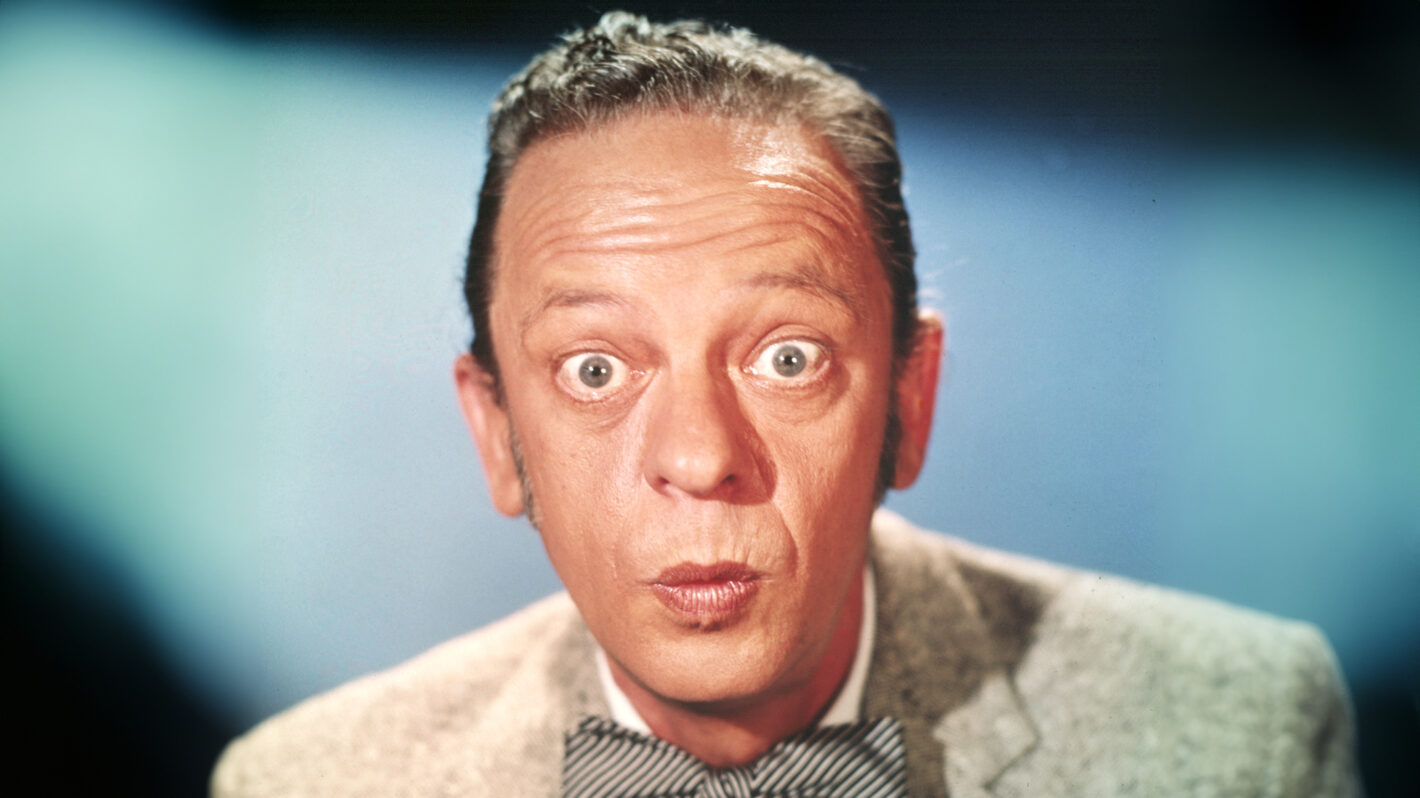
The biggest turning point came with Don Knotts’ own departure after the show’s fifth season. As the unforgettable Deputy Barney Fife, Knotts had become one of television’s most beloved comedy stars. According to the video, he believed the series was nearing its natural conclusion based on conversations he had with Andy Griffith. Wanting to provide long-term financial security for his family, Knotts accepted a film contract with Universal Studios, believing he was preparing for life after Mayberry.
Unexpectedly, Andy Griffith later decided to continue the series.
By that point, Knotts was already committed to his new contract and could not simply return to the show that had made him famous. Looking back, he reportedly admitted that had he known the series would continue, he almost certainly would have remained Barney Fife for years to come.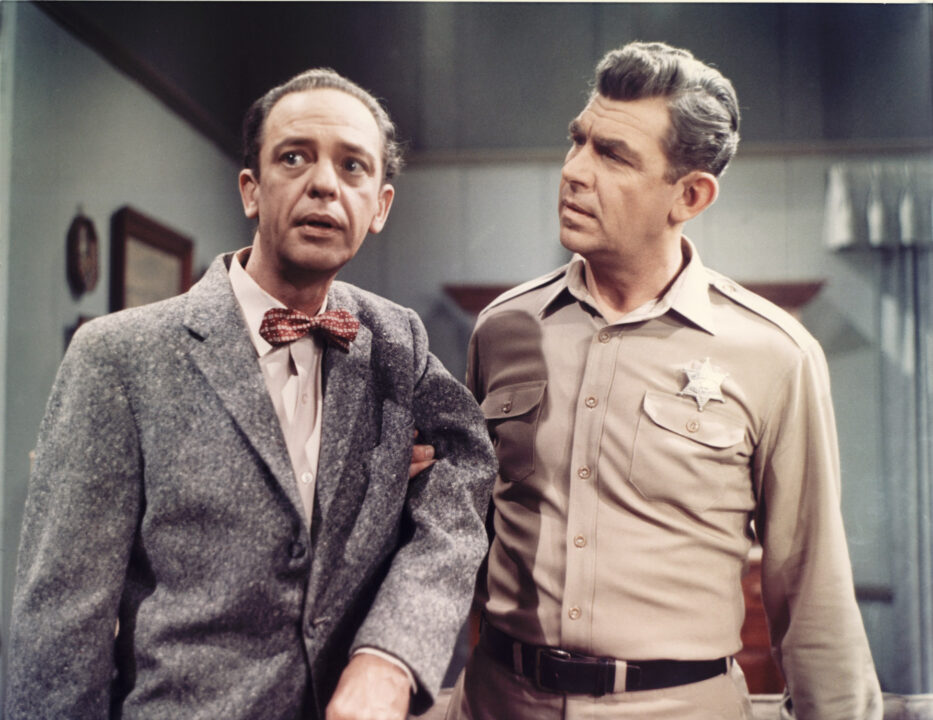
The video also highlights another factor that complicated the situation—money. While Andy Griffith held an ownership stake in the enormously successful series, Knotts continued working under a weekly salary arrangement. According to the video, Knotts later acknowledged that the financial imbalance became increasingly difficult to ignore, with his manager reportedly describing the arrangement as an unfortunate deal that failed to reflect his enormous contribution to the show’s success.
Other members of the cast faced very different challenges.
Frances Bavier, who played the beloved Aunt Bee, reportedly struggled with feeling misunderstood and underappreciated despite becoming one of the show’s most recognizable faces. Elinor Donahue, who portrayed Ellie Walker, found herself increasingly isolated as the writers gradually shifted the show’s focus toward the unforgettable comedic partnership between Andy Taylor and Barney Fife, leaving her character with less room to grow.
Following Knotts’ departure, producers introduced Jack Burns as Warren Ferguson in hopes of filling the void left by Barney Fife. However, according to the video, audiences never embraced the new character with the same enthusiasm. The chemistry simply wasn’t the same, and Burns left the series after only eleven episodes.
Despite these professional changes, the friendship between Don Knotts and Andy Griffith remained remarkably strong throughout their lives. The two reunited on multiple occasions, including guest appearances and later collaborations on Matlock, demonstrating that their bond extended far beyond television. Their relationship became proof that career decisions and business realities never erased the genuine affection they shared.
Ultimately, the video argues that the departures from The Andy Griffith Show were not driven by scandal or personal betrayal, but by the realities every successful production eventually faces: changing careers, financial negotiations, creative evolution, and the unpredictable paths of life. Behind one of television’s happiest fictional towns were real people making difficult decisions about their futures.