To the world, Audrey Hepburn embodied elegance, grace, and timeless romance. Yet according to the video, behind her enchanting screen presence was a woman whose personal life was marked by disappointment, sacrifice, and an enduring search for lasting love. Rather than resenting Hollywood itself, Hepburn’s deepest struggles came from relationships that repeatedly forced her to choose between hope and heartbreak.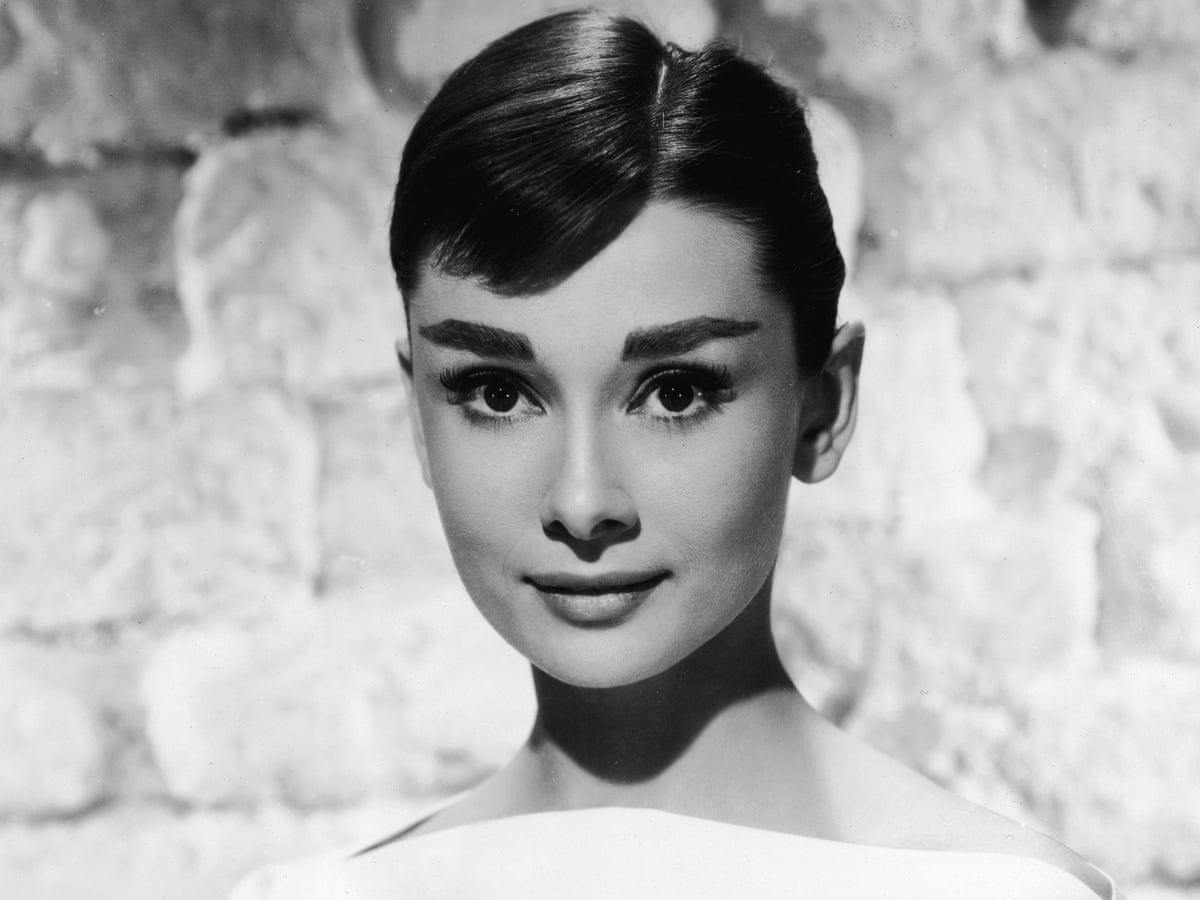
One of the earliest and most painful chapters involved William Holden, whom she met while filming Sabrina in 1953. The two reportedly developed a genuine emotional connection, but their relationship could not survive a heartbreaking reality. Holden was married and had secretly undergone a vasectomy years earlier, while Audrey dreamed of becoming a mother. Faced with two futures that could never be reconciled, she chose to walk away despite her feelings, prioritizing the family she longed to build.
In 1954, Hepburn married actor and director Mel Ferrer, believing she had finally found both artistic partnership and emotional stability. Together they welcomed their son, Sean Ferrer, and for many years appeared to be one of Hollywood’s most admired couples. Behind the scenes, however, the pressures of two demanding careers, public attention, and growing personal differences gradually eroded the marriage. After fourteen years together, the couple divorced in 1968.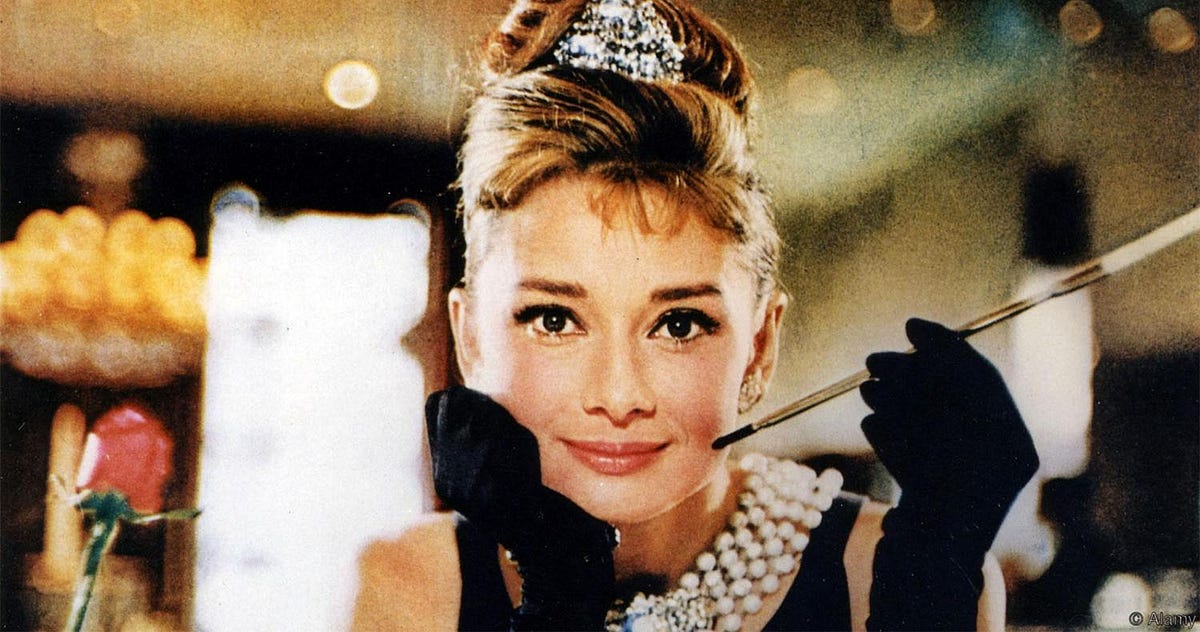
Still hoping for a quieter, more grounded life, Hepburn married Italian psychiatrist Andrea Dotti the following year. Their son, Luca Dotti, brought Audrey tremendous happiness, and she increasingly devoted herself to motherhood. According to the video, however, persistent reports of Dotti’s infidelity slowly destroyed the trust within their marriage. Although Hepburn fought to preserve her family, the relationship ultimately came to an end in the early 1980s.
It was only later in life that Audrey found the kind of companionship she had always sought. Her relationship with Dutch actor Robert Wolders was not defined by Hollywood glamour or public spectacle, but by mutual respect, emotional security, and shared values. The two remained devoted partners until Hepburn’s death in 1993, living a peaceful life largely away from the spotlight.
As her priorities shifted, so did her purpose. Drawing on memories of her own childhood hardships during World War II, Audrey dedicated much of her later life to humanitarian work with UNICEF, traveling the world to advocate for children affected by poverty, famine, and conflict. The compassion that audiences admired on screen became the driving force of her life off screen.
Ultimately, the video portrays Audrey Hepburn not as someone consumed by resentment, but as a woman who continually searched for authenticity in a world often defined by illusion. While several relationships brought profound disappointment, she never stopped believing in kindness, family, and the possibility of finding peace. Her greatest legacy may not be the unforgettable films she left behind, but the quiet dignity with which she faced both love and loss.