For decades, Frank Sinatra has been remembered as one of the greatest entertainers in American history—a singer whose voice defined an era and whose larger-than-life personality inspired admiration, fear, and endless speculation. Few people knew him more closely than Paul Anka, the songwriter who became both a trusted collaborator and one of the rare individuals capable of navigating Sinatra’s powerful personality.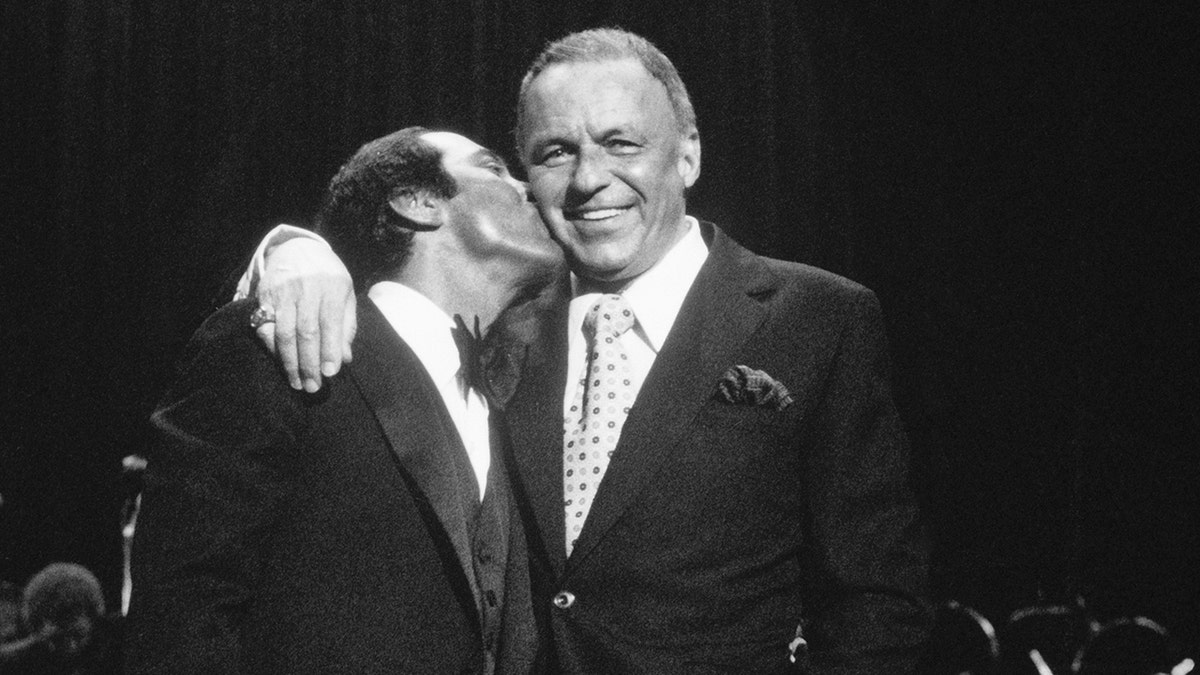
According to the video, Anka’s reflections reveal not a perfect icon, but a complicated man whose greatest strengths often existed alongside equally profound flaws.
One of the defining moments in their relationship came through a song that would become inseparable from Sinatra’s legacy.
In the late 1960s, Paul Anka acquired the rights to the French song Comme d’habitude and completely rewrote the lyrics with Sinatra in mind. Rather than creating a simple translation, Anka crafted “My Way” as a declaration of independence, resilience, and unapologetic individuality. The result perfectly matched Sinatra’s public image and personal philosophy. Instead of serving as a farewell before retirement, the song unexpectedly reignited his career and became one of the most recognizable recordings of the twentieth century.
As their friendship deepened, Anka gained access to Sinatra’s famously exclusive inner circle.
The legendary Rat Pack—including Dean Martin, Sammy Davis Jr., Joey Bishop, and Peter Lawford—was far more than a group of entertainers. According to the video, it functioned as an influential social network whose members held remarkable cultural, political, and business connections. Behind the glamour of Las Vegas performances and Hollywood films existed a world where celebrity, power, and influence frequently overlapped.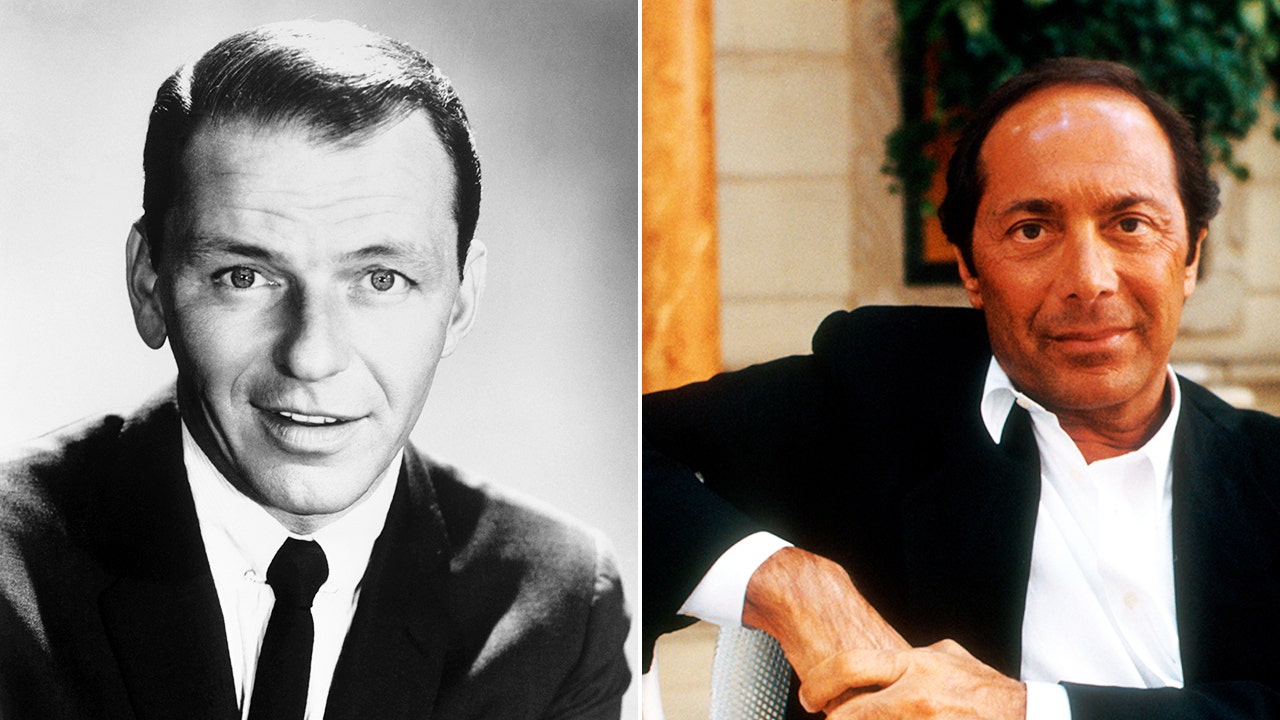
The video also revisits one of the most controversial aspects of Sinatra’s life: the persistent allegations surrounding organized crime.
For decades, rumors linked Sinatra with figures such as Lucky Luciano and Sam Giancana, leading to extensive FBI surveillance and endless public speculation. While those allegations became part of his public image, the video presents them as one element of a much larger story rather than the defining feature of his life.
Politics brought another layer of complexity.
Sinatra actively supported John F. Kennedy’s 1960 presidential campaign, using his celebrity to help build public momentum. Yet after Kennedy entered the White House, their relationship reportedly deteriorated amid political pressures and concerns surrounding Sinatra’s associations. According to the video, the episode demonstrated how quickly influence could disappear when politics and celebrity collided.
Away from public life, Sinatra struggled with challenges that many fans never fully understood.
Despite enormous fame, he battled recurring depression, endured a turbulent romance with Ava Gardner, experienced the traumatic kidnapping of his son in 1963, and suffered devastating personal losses, including the death of his mother in 1977. The video argues that these experiences shaped the emotional complexity behind both his music and his famously unpredictable temperament.
Sinatra’s explosive personality also became legendary.
He developed a reputation for a quick temper, public confrontations, and fierce loyalty toward those he trusted. While many people found him intimidating, Paul Anka reportedly learned how to work with Sinatra by treating him with honesty, respect, and emotional intelligence rather than fear or flattery. That mutual understanding allowed their friendship to survive for decades.
As Sinatra entered his final years, declining health gradually limited the performer who had once dominated stages around the world. Following his death in 1998, his legacy remained larger than life, but Anka’s memories focused less on mythology than humanity.
Rather than portraying Sinatra as either a saint or a villain, the video presents him as an extraordinary yet deeply imperfect individual—gifted, demanding, generous, proud, vulnerable, and sometimes difficult. His brilliance was inseparable from the contradictions that defined his personal life.
Ultimately, Paul Anka’s reflections suggest that the greatest truth about Frank Sinatra was not hidden scandal but complexity. Behind the unmistakable voice stood a man who carried immense talent, enormous pressure, lifelong emotional struggles, and an unwavering determination to live life entirely on his own terms.


