For years, Dean Martin and Frank Sinatra were portrayed as an inseparable duo, two icons of entertainment who seemed to share an unbreakable bond. However, beneath the surface of their glamorous friendship, a quiet unraveling was taking place, driven not by anger but by profound grief and differing survival instincts.
To truly grasp why Dean Martin distanced himself from Sinatra, one must recognize that these two legendary figures were fundamentally different. Sinatra thrived on the spotlight, viewing each performance as a battle to conquer. For him, being in control and visible was essential; it was a way to assert his existence.
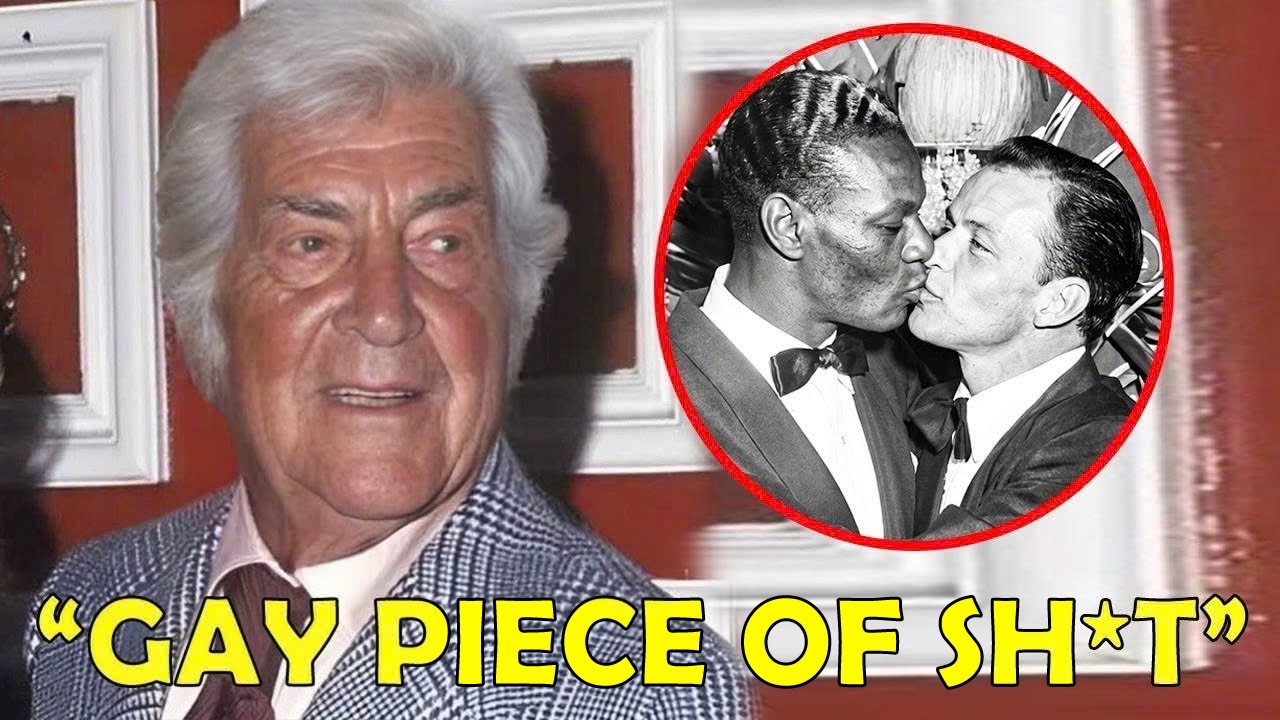 As his health declined, he clung to the stage, believing that stepping back would equate to surrender.
In stark contrast, Dean Martin’s persona was one of calm detachment. His laid-back demeanor was not a sign of indifference but a protective shield he developed over the years. While Sinatra craved validation from crowds, Martin found solace in solitude.
Their friendship flourished for decades, balancing each other out—Sinatra was the fire, and Martin was the water.
However, everything changed in March 1987 when tragedy struck. Dean’s son, Dean Paul Martin, tragically lost his life in a plane crash, leaving a profound void in Dean’s world. Friends noted that Dean’s spirit dimmed that day, and the man who once effortlessly entertained audiences could no longer maintain that facade.
Instead of collapsing publicly, he withdrew into himself, seeking silence rather than the applause he once tolerated.
Sinatra, unable to comprehend Dean’s grief, believed that the answer lay in performance. He thought that keeping Dean busy on stage would help him heal. This fundamental clash of philosophies—one believing in pushing through pain, the other retreating into silence—began to erode their longstanding friendship.
 By the late ’80s, their bond had become fragile, though the public remained unaware. Sinatra proposed a reunion tour, seeing it as a chance to revive their dynamic. For him, it was a professional obligation, a way to prove they were still relevant.
Dean, however, felt trapped. He agreed to the tour out of obligation rather than desire, unsure how to say no to Sinatra’s dominating presence.
The tour revealed the stark differences in their states of mind. Sinatra was disciplined and focused, while Martin appeared distracted and emotionally distant. The once seamless chemistry began to falter, and Dean struggled to perform, forgetting lyrics and losing his comedic timing.
The grand arenas overwhelmed him, and he felt increasingly 𝓮𝔁𝓹𝓸𝓼𝓮𝓭.
As the tour progressed, Dean’s discomfort became impossible to ignore. After a particularly draining show, he made the decision to leave, quietly checking out of the tour without a word. The official reason cited was health issues, but those close to him understood the truth—he had reached a breaking point where continuing felt unbearable.
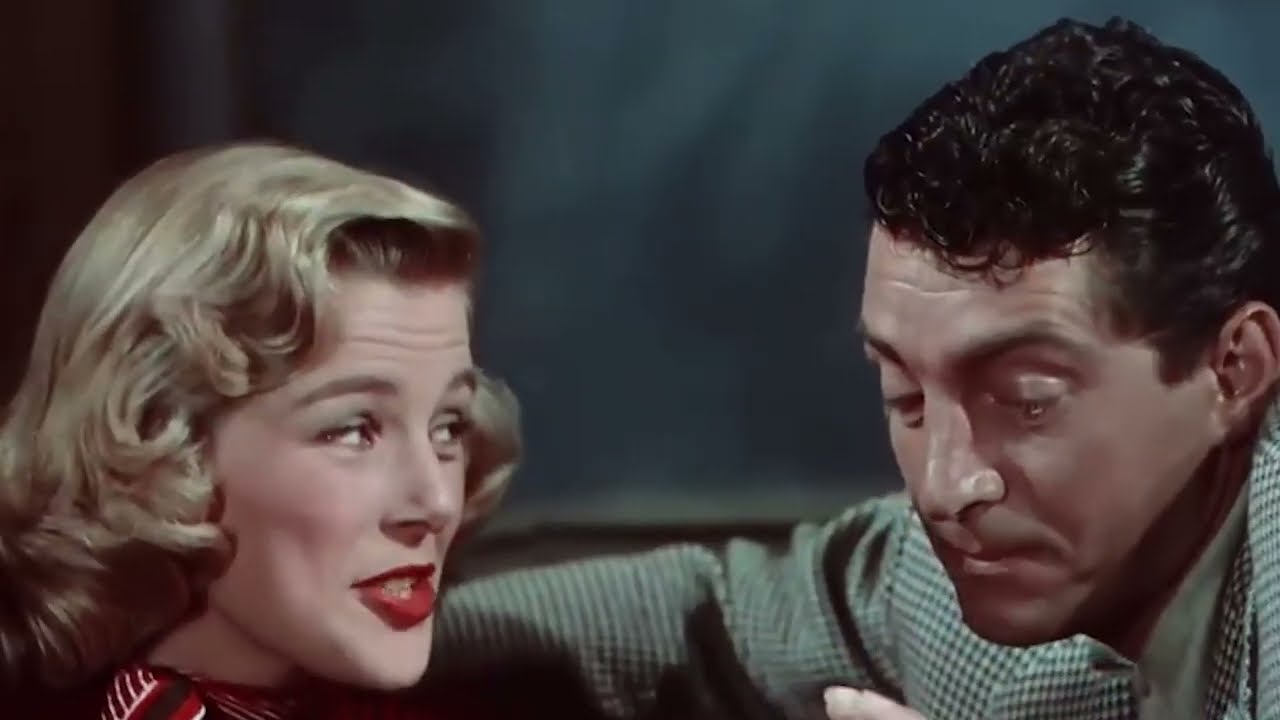 For Sinatra, Dean’s departure was a betrayal. He interpreted it as a failure of loyalty and commitment, believing that walking away mid-tour was unforgivable. In his eyes, enduring hardship was a testament to character.
Meanwhile, Dean viewed his exit as an act of self-preservation, a necessary choice to prioritize his own well-being.
What followed was a deafening silence. Neither man publicly addressed the rift, and their friendship faded into the background. Sinatra used silence as a weapon, believing Dean had failed a loyalty test, while Dean, exhausted from years of adapting to others’ expectations, chose not to reach out.
The media filled the void with narratives of a bitter feud, but the reality was far more tragic—two men grieving in opposite directions.
As time passed, the public narrative solidified, painting a picture of a friendship irreparably damaged. Yet behind closed doors, a different story unfolded. By the early ’90s, Sinatra’s health began to decline, and with it came a shift in perspective.
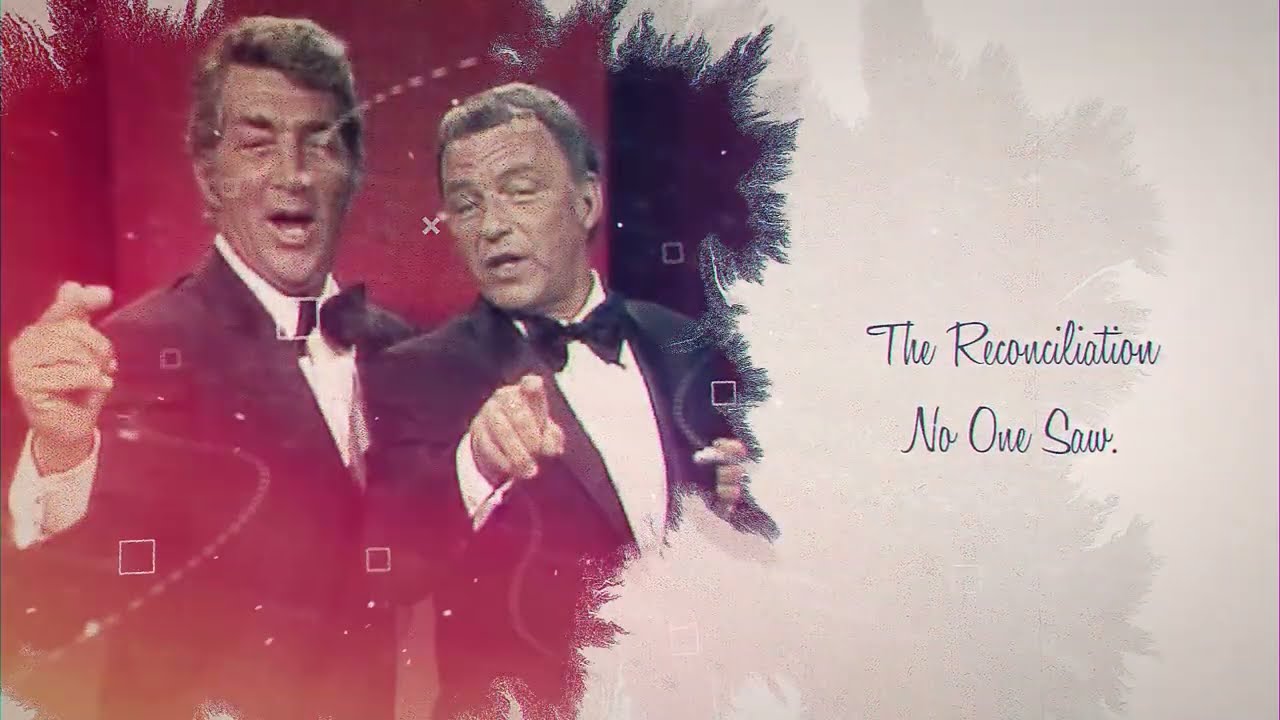 He started to understand Dean’s departure not as abandonment but as a necessary retreat from a world he could no longer navigate.
Their reconciliation was subtle and private. Short phone calls and quiet visits replaced the public spectacle of their earlier years. Frank would sit with Dean, sometimes reminiscing, sometimes simply enjoying the silence.
One poignant moment saw Frank lean in to kiss Dean on the forehead—a rare display of affection from a man known for his tough exterior.
Neither man sought to correct the public narrative of a feud. Instead, they chose to protect their legacy, preferring that the world remember them as they once were rather than as two aging legends struggling with their pasts. Ultimately, Dean Martin didn’t cut Frank Sinatra out of his life out of anger or rivalry; he stepped away because grief transformed him in ways Sinatra couldn’t initially accept.
So, what do you think? Was Dean justified in his choice to walk away, or should Frank have allowed him to find his own way through the darkness? Share your thoughts below.