Agnes Moorehead, renowned for her brilliant yet reluctant portrayal of Endora on the iconic television series Bewitched, harbored deep resentment toward the role that defined much of her later career. Despite turning Endora into a legendary figure, Moorehead felt sidelined, typecast, and conflicted by the show’s magical themes.
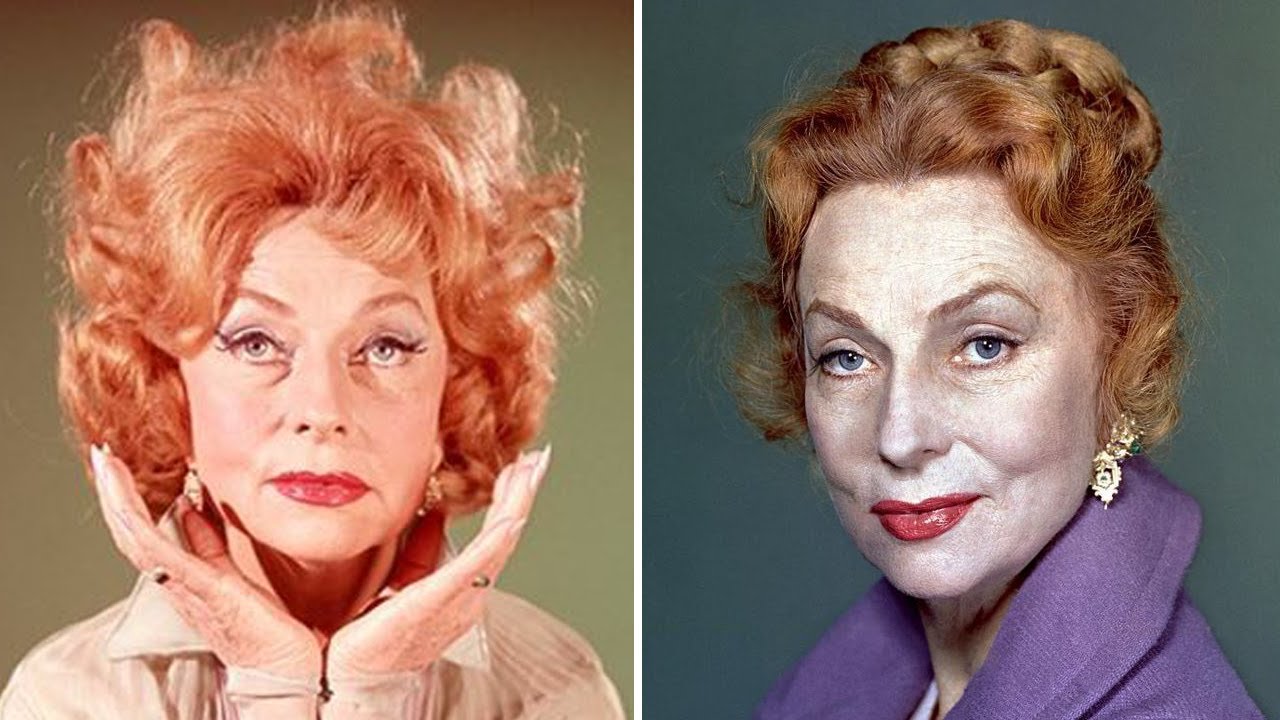
Born in 1900 in Clinton, Massachusetts, Agnes Moorehead’s career spanned radio, film, television, and stage, marked by powerful, versatile performances. Her intellectual approach and strong discipline, instilled by her minister father, propelled her into academia and the arts, giving her an edge in the entertainment world.

Moorehead’s early achievements shaped her formidable reputation. She first gained fame on radio with roles like Marol Lane in The Shadow and starring in Orson Welles’ Mercury Theatre productions. Her participation in the 1938 War of the Worlds broadcast triggered nationwide panic, demonstrating her unique ability to captivate audiences.
Transitioning to film, Moorehead’s talents blossomed. Her role in Citizen Kane (1941) launched her Hollywood journey, followed by four Academy Award nominations for performances in emotionally complex films such as The Magnificent Ambersons and Hush…Hush, Sweet Charlotte, securing her place among the century’s most respected character actresses.
Despite her film success and prestigious roles, Moorehead became widely known for playing the sensationally witty witch Endora in Bewitched from 1964 to 1972. Though she infused the character with humor and theatrical flair, Moorehead privately viewed the role as a step down from her weightier, dramatic career.
Moorehead’s frustration stemmed from the role’s lack of depth. Bewitched’s whimsical, comedic plotlines confined her character to secondary comic relief, failing to allow the complexity Moorehead craved. This typecasting limited her professional growth, frustrating an actress accustomed to nuanced, serious roles that challenged her.
Another dimension of Moorehead’s dissatisfaction lay in her strained relations with co-stars, particularly Dick York, and unease with the show’s overt magical themes. A devout Presbyterian, Moorehead reportedly struggled with portraying witchcraft, feeling conflicted about contributing to content that clashed with her steadfast beliefs and personal integrity.

Despite her personal aversion, Moorehead sustained a powerful professional presence on the show. Audiences loved Endora’s sharp wit and commanding presence, highlighting Moorehead’s talent and professionalism under difficult circumstances as she led the magical supporting cast for eight seasons without publicly expressing her discontent.
Moorehead’s reluctance to embrace the role publicly masked deeper frustrations behind-the-scenes. She feared being typecast and overshadowed by a single television persona, which risked erasing decades of distinguished work from public acclaim. Endora’s popularity, while securing fame, also cemented a limiting legacy.
After Bewitched concluded, Moorehead returned to challenging roles, especially on stage, demonstrating her versatility and love for craft. Productions like Don Juan in Hell and The Rivals allowed her to reclaim the complex and meaningful characters she sought, underscoring a career that spanned a vast artistic range.
Moorehead’s death in 1974 ended a remarkable era but her legacy endures. Inducted posthumously into the Academy of Television Arts and Sciences Hall of Fame, she remains celebrated for both her iconic television role and her substantial contributions to film and theater that shaped 20th-century acting.
The story of Agnes Moorehead is a compelling cautionary tale about the complicated relationship between an actor and their most famous role. It highlights the sacrifices performers make in pursuit of popular acclaim while quietly battling dissatisfaction and the loss of deeper artistic expression.

Endora’s shadow looms large in Moorehead’s legacy, encapsulating both triumph and torment. Though the role brought her new fans and Emmy nominations, it also symbolized the professional and personal compromises that defined much of her later career, forever intertwining glamour with regret.
Moorehead’s experience reveals the broader challenges faced by actors bound to iconic characters. Her story exposes the difficulties of balancing mainstream success with artistic fulfillment, especially for a classically trained talent unwilling to settle for superficial portrayals.
Today, Agnes Moorehead’s extensive career remains a beacon of artistic dedication. Her work across media exemplifies the relentless pursuit of excellence, even amid roles she personally found limiting. Her story underscores the resilience behind the familiar faces of television’s golden age.
As Bewitched continues to enchant new generations, the real Agnes Moorehead’s complex feelings about her breakthrough role remind audiences of the human struggles behind beloved entertainment. Her legacy is one of remarkable versatility, professional persistence, and the bittersweet nature of fame in Hollywood’s spotlight.