In the world of classic television, few partnerships were as iconic as that of Bill Cosby and Robert Culp on “I Spy.” Yet, beneath the surface of their on-screen camaraderie lay a complicated relationship that hinted at deeper tensions and unspoken frustrations, long before the scandals that would later overshadow Cosby’s legacy.
When Culp signed on for “I Spy” in 1965, he brought with him a wealth of experience in film and television. He understood the mechanics of storytelling and the responsibilities of a leading man. Cosby, on the other hand, was stepping into uncharted territory, transitioning from a successful career as a stand-up comedian to the world of dramatic acting.
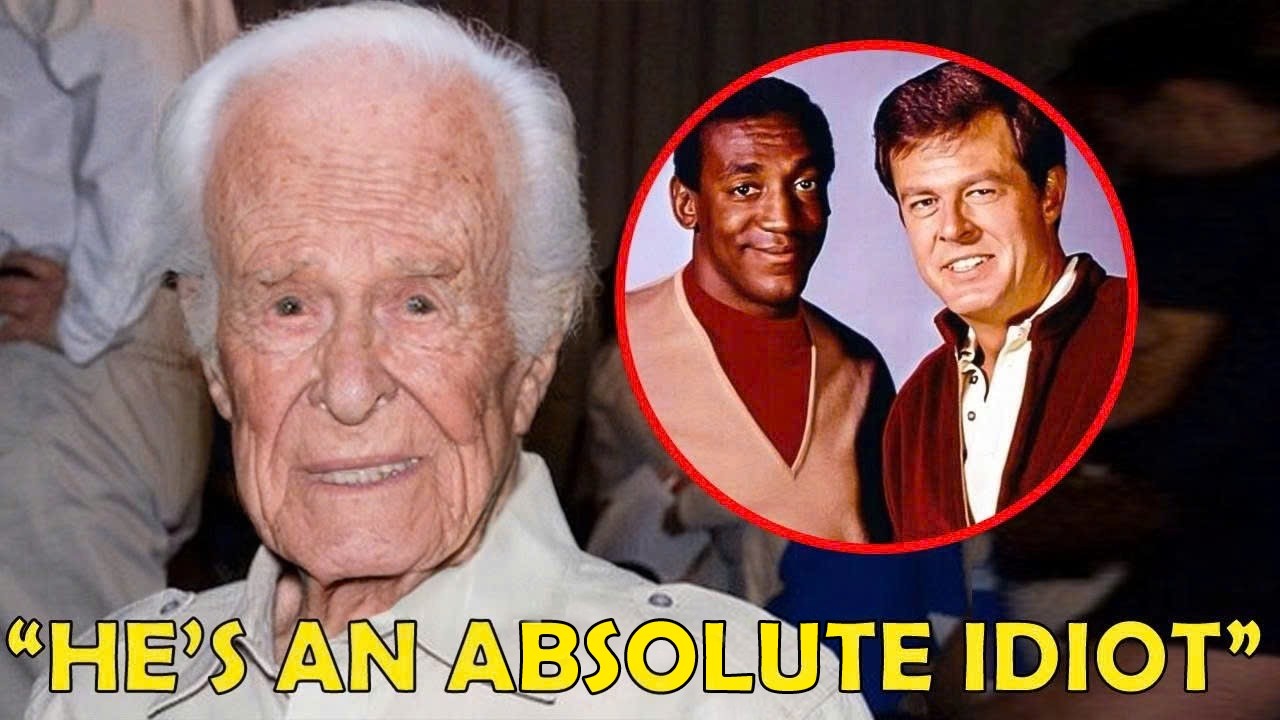 This difference in backgrounds set the stage for a unique dynamic, one that would evolve over the course of the series.
Initially, their contrasting styles complemented each other. Culp’s meticulous approach to his character, Kelly Robinson, was balanced by Cosby’s more instinctive portrayal of Alexander Scott. However, as the series progressed, Cosby began to carve out a more significant presence, shifting the balance of their partnership.
The show, which was groundbreaking for featuring a Black actor in a leading role, placed Cosby in a delicate position. He had to navigate the expectations of a predominantly white television landscape while asserting his own identity as an equal lead.
 As Cosby’s performances gained recognition, including multiple Emmy wins, Culp reportedly felt a growing sense of frustration. He had invested time and effort into shaping the show, and now he was witnessing the narrative focus shift in ways that challenged his control. It wasn’t outright hostility but rather a complex mix of admiration and competition that began to define their relationship.
Culp once described Cosby as “the angriest man I ever met,” a statement that reflected the emotional undercurrents that ran beneath their professional interactions. While Cosby exuded calm and control on screen, off-camera, he carried an intensity that Culp found difficult to reconcile with the public persona he projected. Their bond, described as a “two-member secret society,” was both a source of strength and a breeding ground for tension, complicating their on-screen chemistry.
 Despite the challenges, their relationship was built on mutual respect. Cosby openly acknowledged Culp’s mentorship during his transition into dramatic acting, while Culp recognized the unique pressures Cosby faced as a trailblazer in an industry not yet ready to fully embrace diversity. This context added layers to their partnership, making it more than just a professional collaboration.
As “I Spy” came to an end, the two men went their separate ways, with their careers diverging significantly. Culp continued to work steadily in television and film, while Cosby ascended to a level of fame that transcended acting, becoming a household name. Yet, even as they moved in different directions, the complexities of their shared experience lingered.
 In hindsight, the narrative of Culp’s supposed animosity toward Cosby seems overly simplistic. Their relationship was a tapestry woven from threads of respect, competition, and the challenges posed by the industry itself. The nuances of their partnership invite deeper reflection—was it a bond forged in mutual admiration or a struggle for recognition?
What do you think shaped their dynamic more profoundly—competition or camaraderie? Share your thoughts in the comments below, and for more untold stories from Hollywood, don’t forget to like and subscribe!