At 69, punk icon Johnny Rotten is taking a moment to reflect on the music that shaped him, revealing his top ten favorite rock albums. Far from the traditional punk sound, these selections underscore his belief that true artistry often lies in the unconventional and the avant-garde.
Rotten, born John Lydon, has long been seen as a provocateur in the music world. Yet, as he shares his favorite albums, it becomes clear that his mission was never to tear down music, but rather to elevate it. He emerged from a working-class background in London, using the world’s harsh judgments as armor.
 His signature sneer wasn’t just a facade; it was a survival mechanism in a landscape that often felt hostile.
The first album on his list is Captain Beefheart’s “Trout Mask Replica,” released in 1969. While many listeners found it bewildering, Rotten was captivated. He appreciated its raw, chaotic sound that defied musical norms.
To him, this was punk before punk even had a name—an artistic rebellion that celebrated the beauty of discomfort.
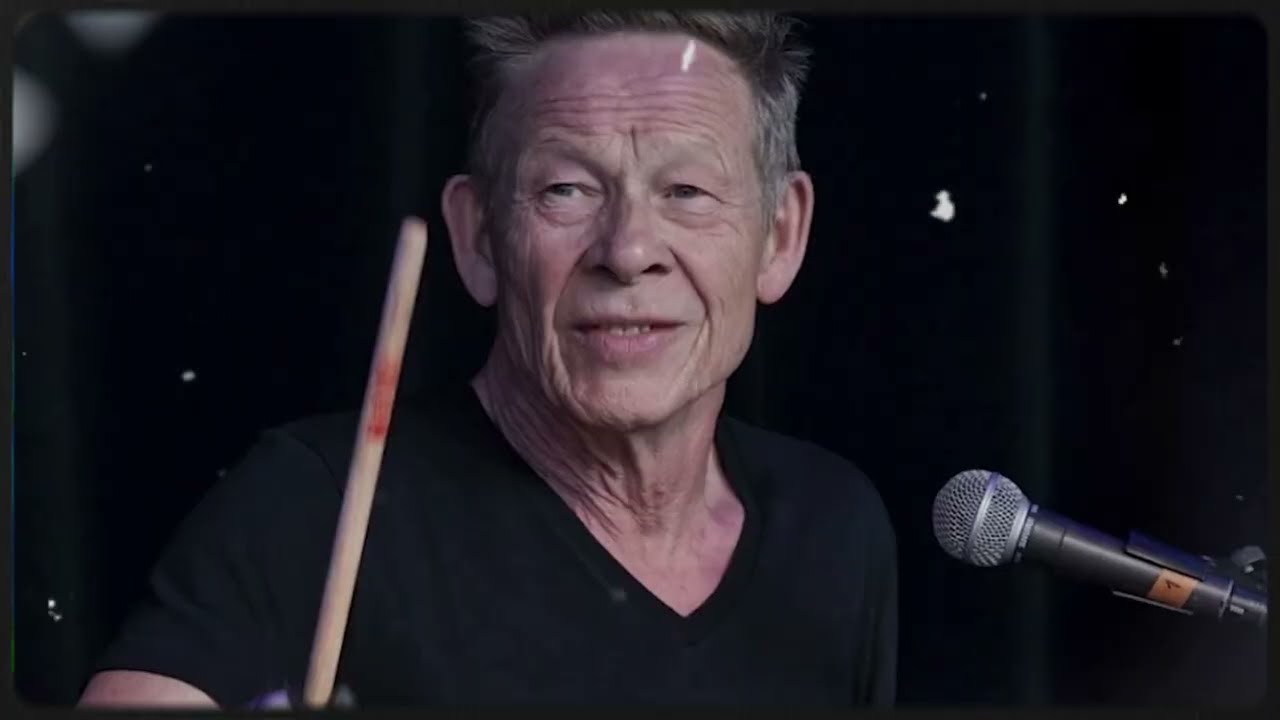 Next up is Can’s “Tago Mago,” a 1971 experimental rock gem that pushed boundaries with its lengthy, immersive tracks. Rotten admired how the band transformed chaos into creativity, jamming for hours to extract the essence of their sound. This approach taught him the value of experimentation and the power of repetition in music.
Peter Hamill’s “The Silent Corner and the Empty Stage,” released in 1974, also made an impact on Rotten. The raw emotional intensity of Hamill’s performance resonated with him, showcasing vulnerability as a form of strength. This album reinforced his belief that true artistry often involves confronting uncomfortable truths.
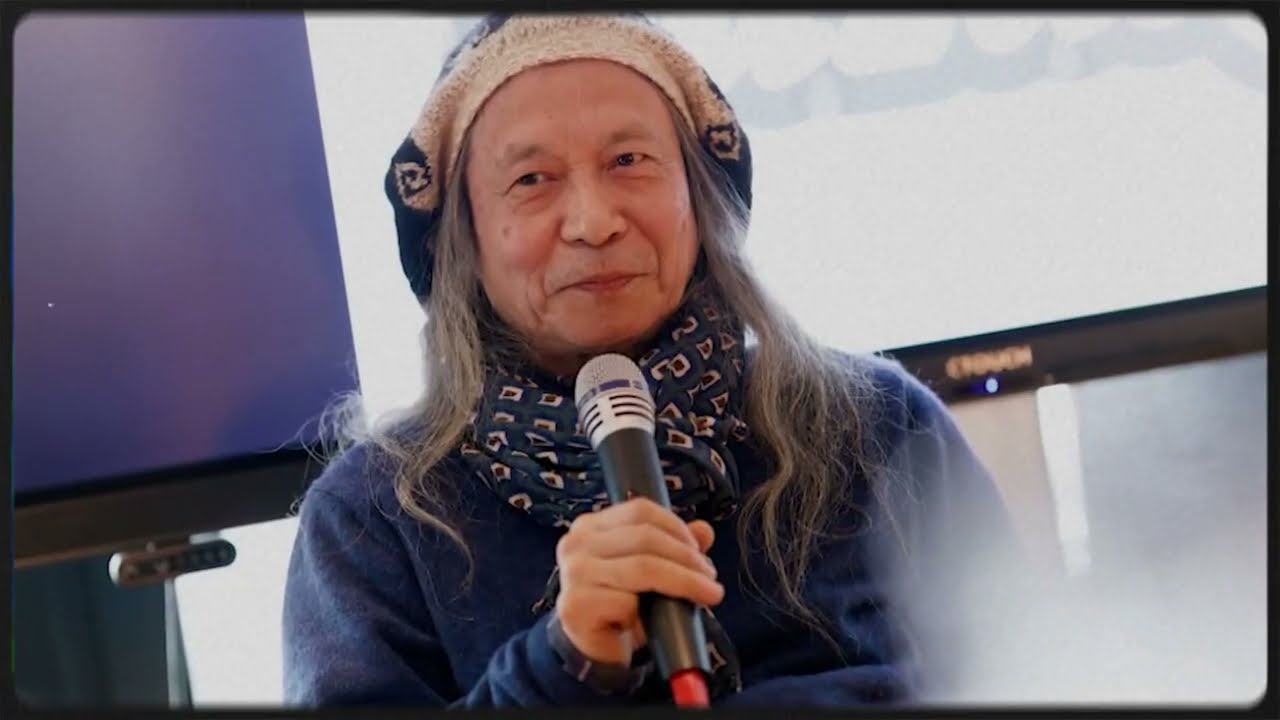 Tim Buckley’s “Star Sailor,” from 1970, further expanded Rotten’s musical horizons. Buckley abandoned traditional song structures for sonic exploration, using his voice as an instrument in its own right. This radical departure inspired Rotten to embrace the idea that sometimes, words can hinder expression.
The self-titled debut from Neu! , released in 1972, was another revelation for Rotten. The relentless motorik beat and minimalist approach captivated him, illustrating that power can stem from simplicity.
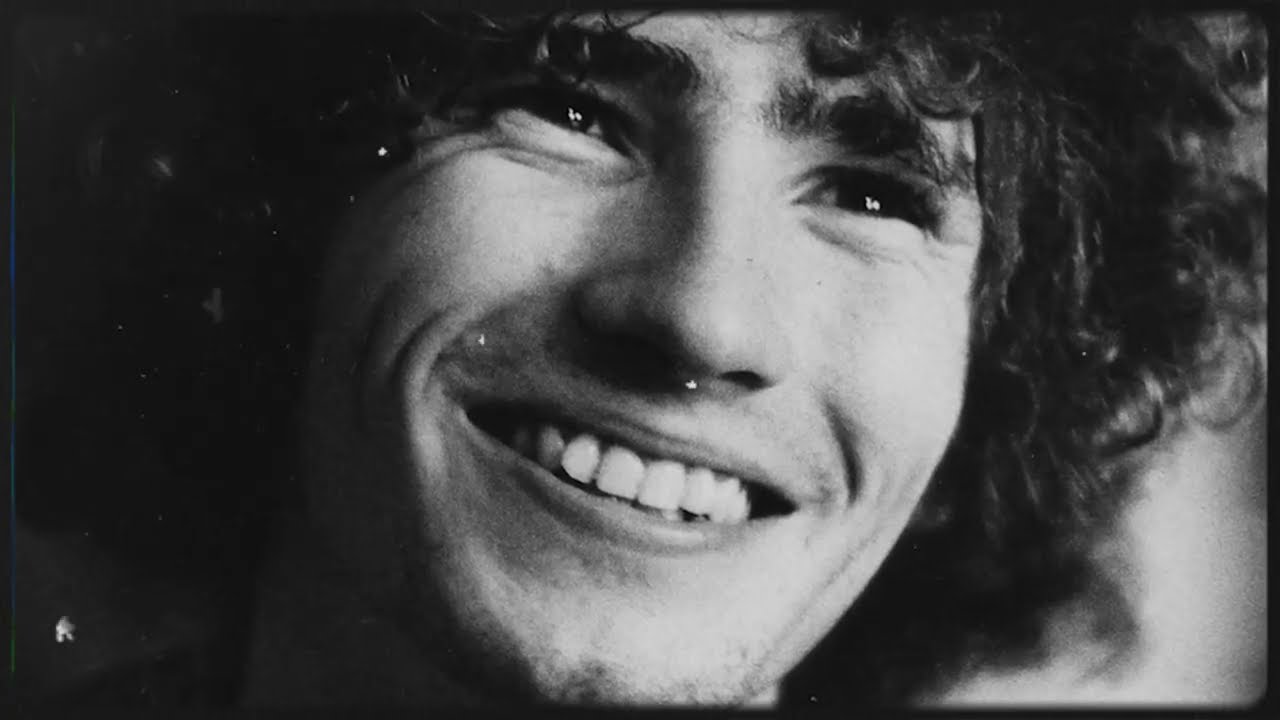 Neu! demonstrated that a clear vision and commitment could create a profound impact without the need for complexity.
Rotten also found solace in King Tubby’s “King Tubby Meets Rockers Uptown,” a 1976 dub album that deconstructed sound in innovative ways. The absence of vocals and the focus on bass taught him that sometimes, less is more. This approach to music-making resonated deeply with his punk ethos of rebellion through subtraction.
Finally, he ranks “Pawn Hearts” by Van der Graaf Generator as his top choice. This 1971 album, characterized by its chaotic yet beautiful compositions, challenged listeners to engage deeply with its demanding soundscapes. For Rotten, it epitomized the essence of uncompromising artistry.
Johnny Rotten’s selections reveal a profound appreciation for music that defies convention. They remind us that the most impactful art often comes from those willing to challenge the status quo. As he continues to inspire new generations, one wonders what other musical treasures he might uncover next.