Ringo Starr has shockingly admitted that The Beatles did not get along during their groundbreaking years, revealing the intense personal clashes behind the iconic music. Despite their global fame, the legendary band faced constant internal conflict that threatened to unravel their unity—yet the music always endured against all odds.
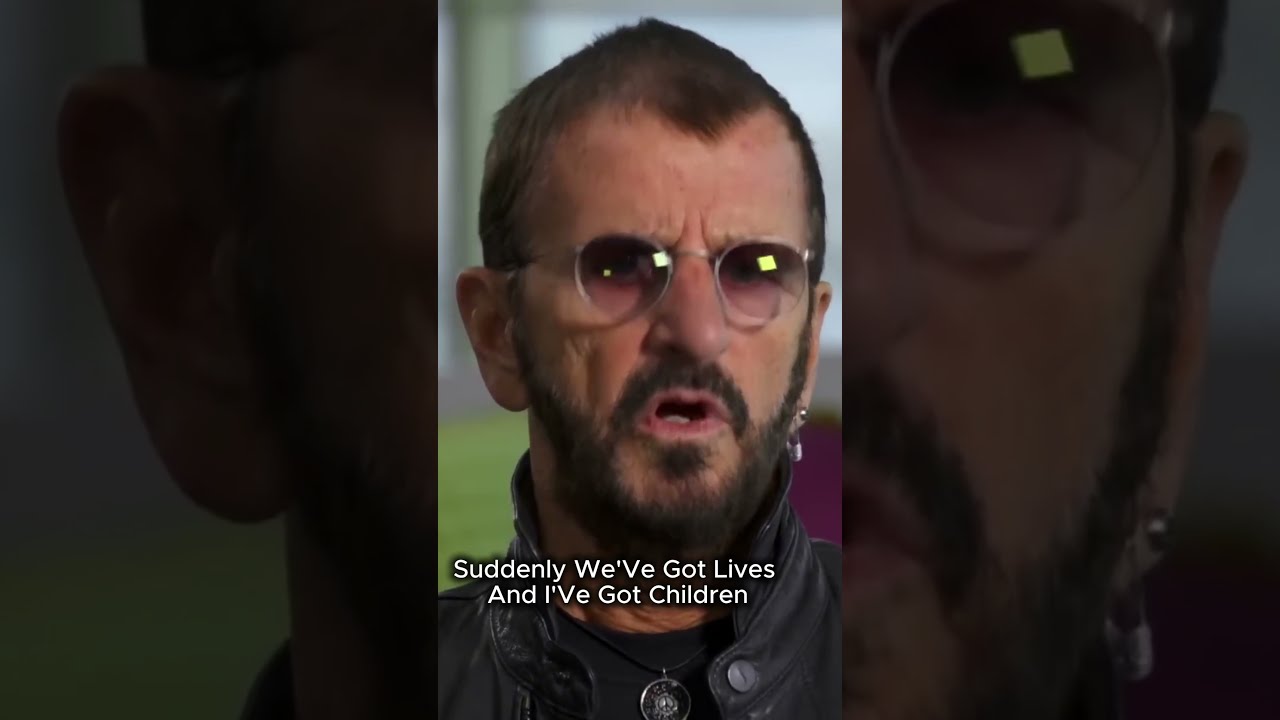
The Beatles, hailed as music legends, often hid a turbulent reality. Ringo admits, “No, no, we didn’t get along. We were four guys. We had rows.” The band’s seemingly perfect camaraderie masked frequent arguments and interpersonal battles that pushed them to the brink of collapse. Their clashes were as real as their worldwide impact.

Yet, remarkably, these conflicts “never got in the way of the music,” Ringo emphasizes. As they changed the world with their sound, behind the scenes the four members—John Lennon, Paul McCartney, George Harrison, and Ringo Starr—were individuals grappling with tension, creative differences, and emotional turmoil. The music’s magic was forged from volatile relationships.
Over time, life forced the band in different directions. “Suddenly, we’ve got lives, and I’ve got children,” Ringo explains. Responsibilities multiplied, and personal priorities shifted dramatically. Their commitment to family and newfound obligations increasingly strained their ability to stay together, revealing that fading unity wasn’t just about personality clashes but evolving lives.
Paul McCartney, according to Ringo, emerged as the force pushing the band back together repeatedly. While John and Ringo might have preferred more downtime, Paul’s drive kept The Beatles in the studio, stoking the fire behind their timeless albums. His relentlessness was vital in sustaining the band’s creative output amid growing tensions.
One of the most revealing insights from Ringo is his comparison between The Beatles and Elvis Presley. He suggests that while Elvis was surrounded by adoring millions, he “could still be completely alone.” In contrast, The Beatles had each other despite fierce arguments, a brotherhood that kept their music alive through chaos and conflict.
This bond, volatile yet unbreakable, acted as a grounding force. The four men “could fight, disagree, and bring each other back down to Earth,” Ringo notes. This dynamic created a unique synergy that allowed them to produce revolutionary music while navigating the storms of personal discord. It was this complex relationship that fueled their creative genius.

Ringo’s candid revelations upend the polished myth of The Beatles as an eternally harmonious unit. Their story is now 𝓮𝔁𝓹𝓸𝓼𝓮𝓭 as one of passionate discord, relentless work ethic, and evolving identities. The global phenomenon known as The Beatles was shaped not only by unity but through battles fought in smoke-filled rooms and fragile friendships.
The urgency of Ringo’s statements sheds new light on the fragile nature of legendary success. The Beatles’ story is a testament to perseverance, showing that even the greatest icons struggle behind closed doors. It serves as a powerful reminder that groundbreaking art often emerges from deep personal challenges and uneasy alliances.

As fans digest these stunning admissions, the legacy of The Beatles gains new dimension—one that includes raw honesty, human imperfections, and the messy reality of collaboration at the highest level. This breaking news reshapes how we understand the band’s dynamic and the hidden forces behind their unparalleled cultural impact.
In conclusion, Ringo Starr’s confession reveals the turbulent truth: The Beatles were far from the perfect group the world imagined. Their clashes threatened to tear them apart, yet their music and mutual connection prevailed, becoming an enduring legacy of creativity forged in conflict and kept alive by relentless dedication.