Shelley Fabares once seemed to have it all—a number one hit that topped the charts and starring roles alongside Elvis Presley—but behind the fame, a hidden struggle was quietly changing the course of her life. In 1994, while her home was under renovation, Shelley fell through a hole in the floor, shattering every rib on the left side of her body. The accident was brutal, but she kept working on the television show Coach despite her injuries. During routine medical tests after the fall, doctors noticed Shelley’s liver enzyme levels were alarmingly high—a sign that something was seriously wrong.
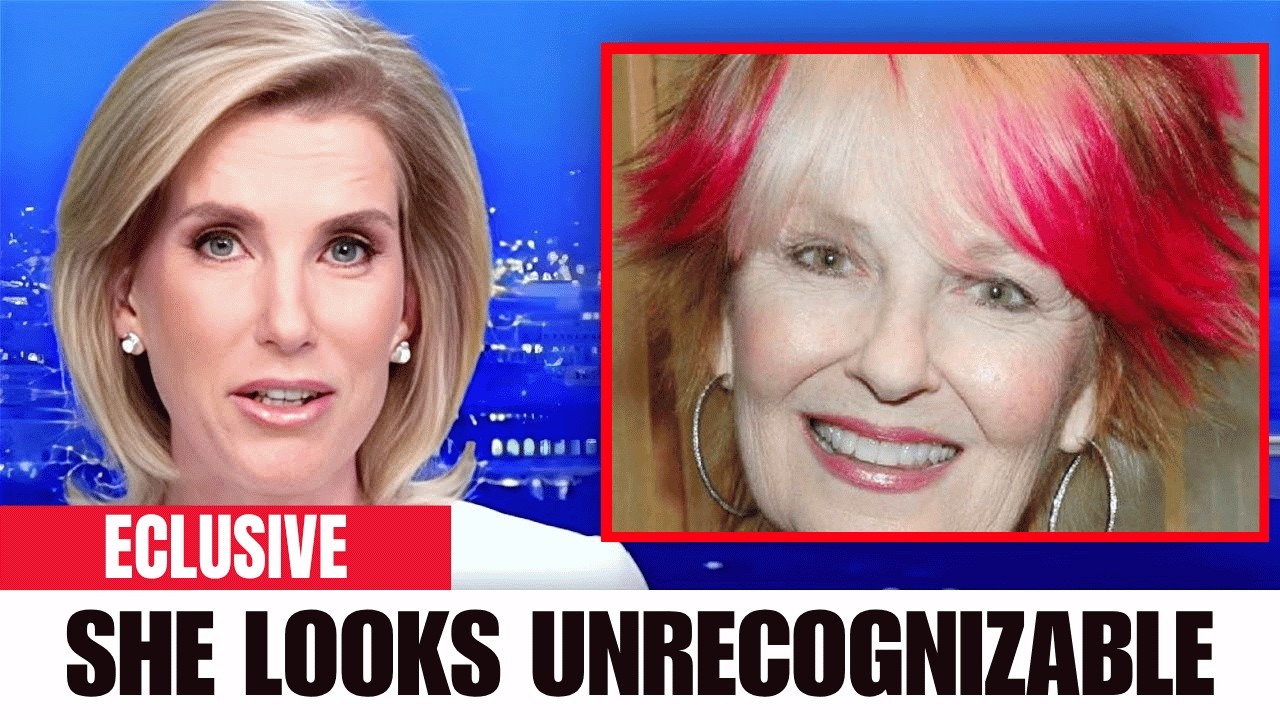
No one could explain it at first, and her condition remained a mystery for years. As time passed, the symptoms worsened, but treatments only managed to slow the damage, not stop it. Shelley often felt completely exhausted, sometimes sleeping for 20 hours a day, while her husband, Mike Farrell, grew increasingly worried as she struggled with constant fatigue and weakness. The real crisis hit in early 1999, when Shelley suffered a massive esophageal bleed at home.
Blood vessels in her throat burst without warning, and she was rushed to Cedars-Sinai Medical Center. Doctors delivered grim news: her liver was failing, and a transplant was the only hope. That diagnosis plunged Shelley into a grueling 22-month waiting game. Each day was uncertain, marked by false alarms and crushing disappointments.
Every time her transplant pager sounded, hope surged, only to be followed by the pain of no. Shelley later said the stress nearly slayed her before the transplant could. She remembered waking up thirsty, but also just too tired to move. Then, finally, right after midnight on October 23rd, 2000, Shelley got the call: a compatible liver had been found.
The surgery saved her life, but recovery wasn’t gentle. Her body had to stitch itself back together from major surgery while also enduring the lingering long-term effects of the illness. Through all of it, Mike never really left her side. The cause of her liver failure was eventually pinned down as autoimmune hepatitis, a condition where the body’s immune system goes after the liver itself.
It was a hidden problem, quiet for years under other symptoms, then suddenly brought forward by an accident. Before the bright lights and chart-topping hits, Shelley was born on January 19th, 1944 in Santa Monica, California, into a family with show business close at heart. Her father hailed from New Orleans, while her mother faced her own tragic battle with Alzheimer’s starting in the late 1980s. What shaped Shelley’s early ambitions even more was the influence of her aunt, Nanette Fabray, a Broadway and television star with a Tony and three Emmys to her name.
Watching Nanette navigate fame gave young Shelley a first-hand glimpse at what a career in entertainment could look like. Shelley’s talent emerged early: by age 3, she was already modeling. At just 10 years old, she made her television debut in Letter to Loretta in 1954, which unlocked a flood of roles in popular shows like Captain Midnight, Annie Oakley, Fury, and Colgate Theater. One early career highlight was working alongside Frank Sinatra and Paul Newman in The Producers Showcase.
By 1958, Shelley had secured a major role in Disney’s Annette, appearing in 15 episodes. She also took small film roles across the 1950s, often uncredited, but valuable for experience
When she was 14, Shelley hit a turning point with the role of Mary Stone on The Donna Reed Show. This chance catapulted her into teen idol status and made her a household name. Behind her rising fame, Shelley also nurtured a close relationship with Donna Reed, who became like a second mother.
The show ran for a remarkable 191 episodes, making Mary Stone an iconic character that defined her generation’s idea of the perfect teenage girl. Her work there turned her from a promising young actress into a cultural phenomenon. She handled the transition from child actress to teen star with more grace than many others. However, the pace was grueling: the show filmed around 39 episodes per season for five straight years, leaving barely any room for a normal teenage life
Shelley never planned on becoming a singer.
Yet, in late 1961, the network made a surprising decision: her character on The Donna Reed Show was going to sing. Shelley had no choice but to step into the recording booth, feeling scared and out of place among seasoned musicians. Stand beside backup singers like Darlene Love and The Blossoms, and with legends like guitarist Glen Campbell, drummer Hal Blaine, and bassist Carol Kaye behind her, Shelley was painfully aware of her own weaknesses as a vocalist, famously admitting, "I never could sing. " To mask this, producers drenched her voice in echo to soften the edges.
When the song aired on the show in early 1962, no one expected much. Yet, weeks later, Johnny Angel skyrocketed to number one on the Billboard Hot 100, staying on the charts for 15 weeks. It also topped the Cashbox charts and hit number one in Canada and New Zealand. The single sold over a million copies, earning a gold disc.
A follow-up single, Johnny Loves Me, released in May 1962, reached number 21 on Billboard. Shelley’s third single landed at number 46. Even so, Shelley rarely performed live, and most of her appearances were lip-synced. Her producers kept that same dream-like echo-heavy production style aimed right at teenage audiences.
But Shelley’s heart wasn’t really in the music business, and she grew tired of being nudged into a career she didn’t ask for while drained by the endless back-to-back pace of filming and recording
After finishing five seasons, Shelley made the brave decision to leave the show officially to attend college, but privately to get her life back and slip out of the relentless spotlight. For the next four years, Hollywood largely moved on without her, leaving Shelley in a difficult place professionally and personally. Yet her belief in a second chance kept her hopeful, and that chance eventually came in a very unexpected way
In 1965, Shelley arrived on the set of Girl Happy just 17 days after marrying producer Lou Adler. Although she was nervous about working with Elvis Presley, he quickly put her at ease.
He already knew her from The Donna Reed Show and was familiar with her hit song Johnny Angel. What began as a professional partnership soon developed into a genuine friendship that lasted for years. In Girl Happy, Shelley played Valerie Frank, the daughter of a Chicago mobster, while Elvis portrayed Mike McCoy, a chaperone assigned to keep an eye on a group of spring breakers. Audiences enjoyed their on-screen chemistry, and the film’s success led to more collaborations.
The following year, they reunited for Spinout, which performed well at the box office. By 1967, however, Elvis was becoming increasingly frustrated with his career, tired of repetitive movie roles. During this difficult period, Shelley became someone Elvis trusted. They spent hours talking privately between scenes, discussing personal matters that he shared with very few people.
At one point, Elvis even confided in her about his plans to marry Priscilla Beaulieu before the news became public. Their final film together, Clambake, further strengthened their friendship. Shelley never participated in publicity romances or studio-generated gossip; their relationship remained completely platonic, built on honesty, respect, and mutual understanding. Years later, Shelley spoke warmly about Elvis while expressing sadness over the pressures he endured.
She remembered seeing how overwhelming fame could be, recalling moments when crowds rushed toward him everywhere he went. To Shelley, Elvis was not just a superstar, but a kind and vulnerable man struggling under extraordinary expectations
As the 1960s wore on, Shelley faced a shift that caught many young stars off guard. The sweet, innocent persona that had made her famous began to feel out of step with the growing demand for more mature and complex roles. After leaving The Donna Reed Show, Shelley found herself struggling to land significant roles.
She later admitted that fear held her back, reluctant to take bold risks or reinvent herself. For four years, she experienced a profound career drought. Her return was gradual, taking guest roles on series like Mannix, The Ghost, and Mrs. Muir, Daniel Boone, and Medical Center.
In 1968, Shelley took on a lead role in A Time to Sing, but the film failed to connect with audiences and critics alike. One standout exception came in 1974, when she played Jolene Highland in an episode of The Rockford Files, proving she could do mature, layered people. Across the late 1970s into the early 1980s, Shelley’s career held steady, not exactly booming, but working. Then, in 1983, she landed a role in the TV movie Memorial Day, and that’s where she met actor Mike Farrell, best known from MASH.
Their connection moved pretty fast, and the two married in 1984 at the home of Shelley’s aunt Nanette Fabray. Both Shelley and Mike brought children from previous marriages and both carried emotional scars from their pasts. Mike became an essential figure in Shelley’s life especially during times of illness and uncertainty. She called him her lifeline, someone who stood by her unwaveringly through thick and thin.
Their home in Sherman Oaks was modest but filled with love and stability. Mike frequently accompanied Shelley to doctor’s appointments and supported her physically and emotionally during her health battles. Shelley credits Mike’s support as a cornerstone of her survival during her long struggle with liver disease, openly stating that she couldn’t have made it through without him
After her transplant, Shelley turned her struggle into something that mattered. Drawn in by her mother’s battle with Alzheimer’s disease, she became an energetic supporter for research and awareness.
She was a national spokeswoman for the Alzheimer’s Association, testified before Congress, and helped push for more funding. Shelley Fabares’ remarkable journey reveals a story of dazzling success shadowed by profound challenges. From child star to chart-topping singer, steadfast friend, and survivor of life-threatening illness, her resilience shines through
![CBS🔴[7/27/2026] Young and the Restless FULL Episode Mondays: Adam betrayed Victor and attacked.](https://i.ytimg.com/vi/KvoKm8pT82I/maxresdefault.jpg)