Claudine Longet was holding the . 22 caliber pistol when it fired, striking Vladimir “Spider” Sabich in the abdomen. By the time paramedics reached him, the 31-year-old Olympic skier had lost too much blood. He died before reaching the hospital.
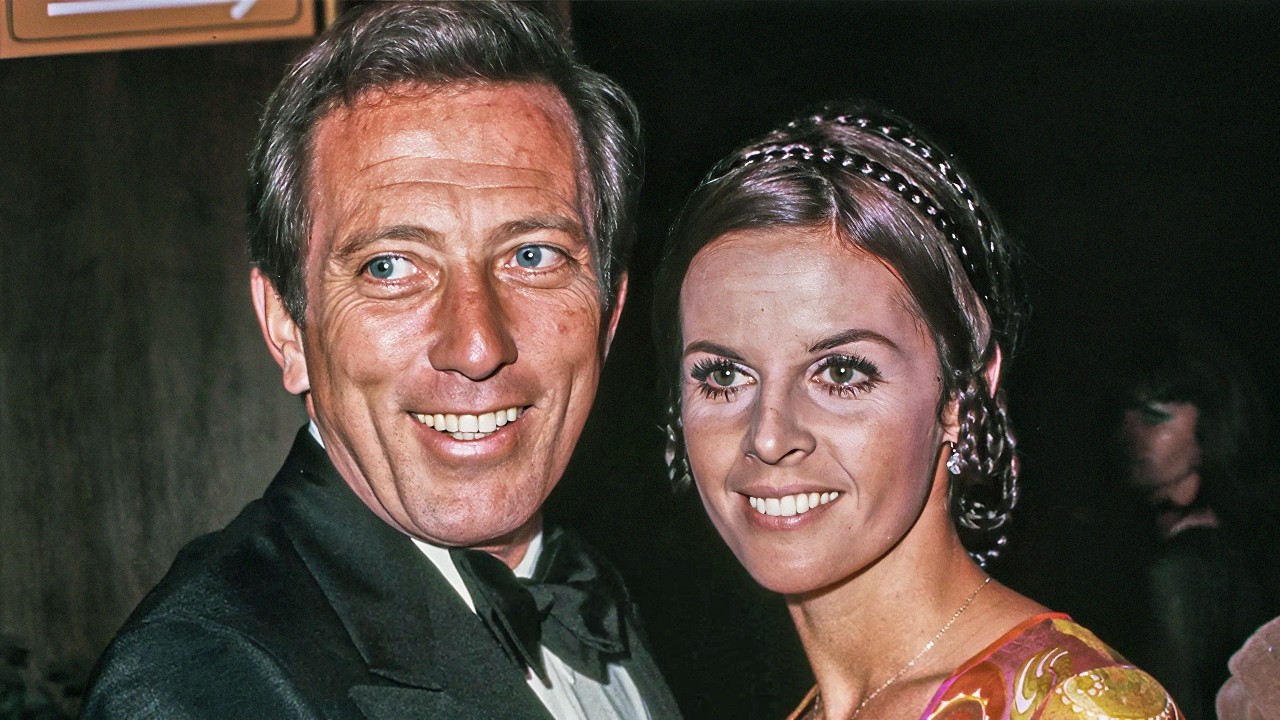
The date was March 21, 1976, and the shooting inside the Aspen, Colorado home Longet shared with Sabich would become one of the most controversial criminal cases of the decade. Longet’s explanation was immediate and consistent: Sabich was showing her how to use the pistol when it accidentally discharged. Prosecutors never believed that account. They pointed to the physical evidence, arguing that Sabich was several feet away from Longet, bent over and facing away from her when the gun went off—a position that seemed incompatible with a weapon demonstration.
The relationship, they alleged, was troubled, citing her diary as evidence. Longet insisted the relationship was fine and that the shooting was a tragic accident. The case against Longet, who was 34 at the time, was seriously damaged before it ever reached the jury. Investigators mishandled the firearm, with one inexperienced officer wrapping the weapon in a towel and leaving it in his glove compartment for weeks.
The diary was ruled inadmissible, and so were the results of toxicology tests on Longet’s blood and urine. The prosecution’s most potentially damaging evidence was gone before the trial even began. The trial itself lasted only four days. After roughly four hours of deliberation, the jury did not convict Longet of the serious manslaughter charge prosecutors had pursued.
Instead, they found her guilty of criminal negligence, a lesser offense. She was fined $250 and sentenced to 30 days in jail, which she was allowed to serve on weekends. For Sabich’s family, the sentence was a devastating conclusion to a case that left more questions than answers. Adding to the controversy was the man who had helped secure that verdict: her attorney, Ronald Austin.
Soon after the trial, Longet and Austin became romantically involved. Austin was still married at the time. He eventually left his wife and family to be with Longet, and the couple married in 1985. In 1977, Sabich’s family filed a civil lawsuit against Longet.
The case ended in an out-of-court settlement, the terms of which were never made public. Reports indicate the agreement included confidentiality provisions that prevented Longet from publicly discussing the shooting. She largely retreated from public life, leaving behind the entertainment career that had once made her famous. Longet’s path to that Aspen bathroom had been remarkable.
Born in Paris in 1942, she came to the United States as a dancer, landing a spot in the Folies Bergere at the Tropicana in Las Vegas. It was there she met Andy Williams, a rising star who stopped to help her with car trouble. The two married in December 1961, when she was 19 and he was 33. For a time, they were one of Hollywood’s most glamorous couples.
Claudine appeared on The Andy Williams Show, which made him a television fixture, and she began building her own career with guest roles on shows like McHale’s Navy and Hogan’s Heroes. A 1966 performance on Run for Your Life caught the attention of Herb Alpert, who signed her to A&M Records. She released several albums of soft pop and French-influenced music and starred alongside Peter Sellers in the 1968 Blake Edwards comedy The Party. The couple also shared a deep friendship with Robert F.
Kennedy and his wife Ethel. In June 1968, Claudine and Andy were at the Ambassador Hotel in Los Angeles when Kennedy was shot after winning the California primary. They rushed to the hospital, but he died the following day. Years later, they named their third son Robert in his honor.
Despite the public success, the marriage was weakening. Andy Williams later acknowledged that his career kept him away from home and that they grew apart. They separated in 1970 and divorced in 1975. Yet when Longet faced prison time over Sabich’s death, Williams did not walk away.
He traveled to Aspen, helped pay for her legal defense, and stood by her claim that the shooting was an accident. After the trial, the public never fully let the story go. In 1978, Longet appeared on the cover of the Rolling Stones album Some Girls, one of several famous women pictured. The band also recorded a song called “Claudine,” the lyrics of which directly referenced the shooting.
The track was kept off the original album after lawyers advised against it, but it was finally released on a 2008 reissue. Longet remained in Aspen for decades, living quietly with Austin in the same community where Sabich had died. She made no effort to return to her former career. In 2023, the couple sold their Aspen property for nearly $60 million and moved to their home in Hawaii.
Andy Williams died in 2012 at the age of 84. Claudine Longet never publicly revisited many of the details surrounding Sabich’s death, and the full story of what happened inside that Aspen bathroom has never been definitively established. She was not found innocent—she was convicted of criminal negligence—but the jury also did not accept the prosecution’s most serious case.
The distinction has followed her for nearly five decades.