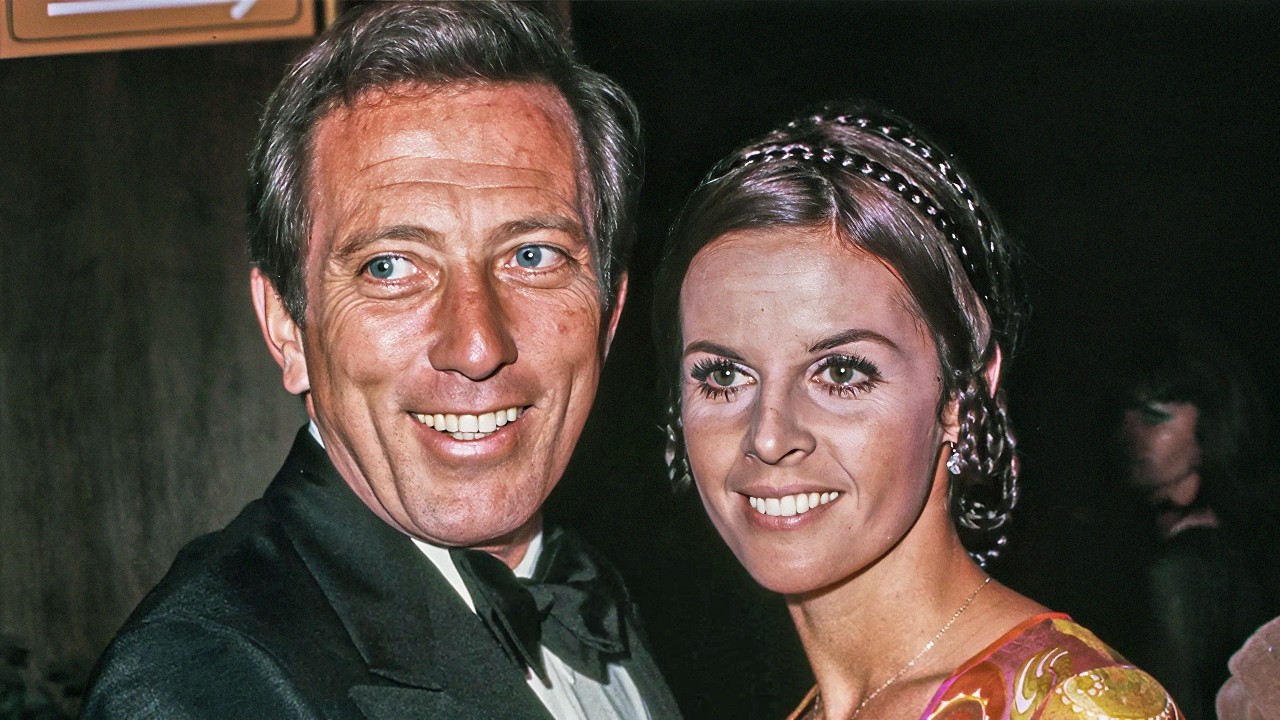
Natalie Wood was one of Hollywood’s most beloved actresses, but the story she carried about her co-star Steve McQueen remained hidden for decades. Years after the cameras stopped rolling, she finally revealed what happened behind the scenes of their 1963 film, and the account painted a far darker picture of the so-called King of Cool. . By the time they starred together in Love with the Proper Stranger, both actors were at the height of their fame.
Audiences saw effortless chemistry between Wood’s Angie Rossini, a Macy’s sales clerk facing an accidental pregnancy, and McQueen’s Rocky Papasano, a part-time musician trying to help her. The film tackled forbidden topics for its era, including the harsh reality of illegal backroom procedures in urban America, and it earned Wood an Academy Award nomination for Best Actress. . But off camera, McQueen pushed boundaries in a way that left Wood shaken.
She guarded the memory for years, only breaking her silence shortly before her tragic death. She did not publicly detail the encounter at the time, but those close to her later confirmed that the experience had changed the way she viewed one of Hollywood’s most celebrated leading men. . Wood’s childhood had prepared her to endure such moments in silence.
Born Natalie Zacharenko in San Francisco in 1938 to Russian immigrant parents, she was pushed into acting by her mother, Maria, who was convinced her daughter was destined for stardom. By age seven, Natalie was starring alongside Orson Welles and Claudette Colbert in Tomorrow is Forever. Welles later described her as a born professional who acted from the heart. .
But the pursuit of that success came at a painful cost. During filming of Tomorrow is Forever, when Natalie struggled to cry for an emotional scene, her mother reportedly tore apart a butterfly in front of the young girl to shock her into tears. It was an early lesson that Hollywood demanded endurance and silence, no matter how uncomfortable the experience. That habit of suppression followed Wood into adulthood, even as she became one of the industry’s biggest female stars, standing alongside Elizabeth Taylor and Audrey Hepburn.
By the mid-1960s, however, the cracks began to surface. After the difficult production of Penelope in 1966, during which she suffered from painful hives and constant anxiety, Wood made a stunning decision. She walked away from Hollywood entirely for three years, paid Warner Brothers to cancel her contract, and dismissed her entire management team, including her agents, publicist, and attorneys. She entered therapy and later married British producer Richard Gregson in 1969, with whom she had a daughter, Natasha, the following year.
After returning to the screen with critical and commercial success in Bob and Carol and Ted and Alice, Wood stepped back again to focus on motherhood, becoming far more selective about roles. She later earned a Golden Globe for her work in television dramas, proving her talent had only deepened with time. Not long after her first marriage to actor Robert Wagner ended in 1962, Wood had a widely reported overdose on sleeping pills that many described as a suicide attempt. She later remarried Wagner in 1972, and the couple had a daughter, Courtney.
Friends described their second marriage as deeply committed and loving, noting that the couple had matured and learned from their earlier mistakes. The story of what happened between Wood and McQueen on the set of Love with the Proper Stranger did not surface publicly until after Wood’s death. When it did, it challenged the carefully crafted image surrounding McQueen, leaving many people to see the legendary actor in a completely different light. The exact details of their encounter were not fully spelled out by Wood before she died, but her revelation made clear that the effortless chemistry audiences saw on screen masked a far darker dynamic unfolding off camera.
For Wood, it was one more chapter of a life spent learning to keep painful experiences locked away, even as the world saw only her brightest moments. She once described playing Angie Rossini as the most rewarding experience she had in all films, all the way around. But behind that celebrated performance lay a memory she chose to carry privately, one that would only be fully understood long after both stars were gone.
.