John Denver built a global career on a public image of peace, warmth, and emotional steadiness. For millions, his voice sounded like comfort itself. But behind that carefully maintained identity was a man who spent decades struggling to reconcile who he was with who the world expected him to be, and the gap between those two realities only widened as his fame grew. He was born Henry John Deutschendorf Jr.
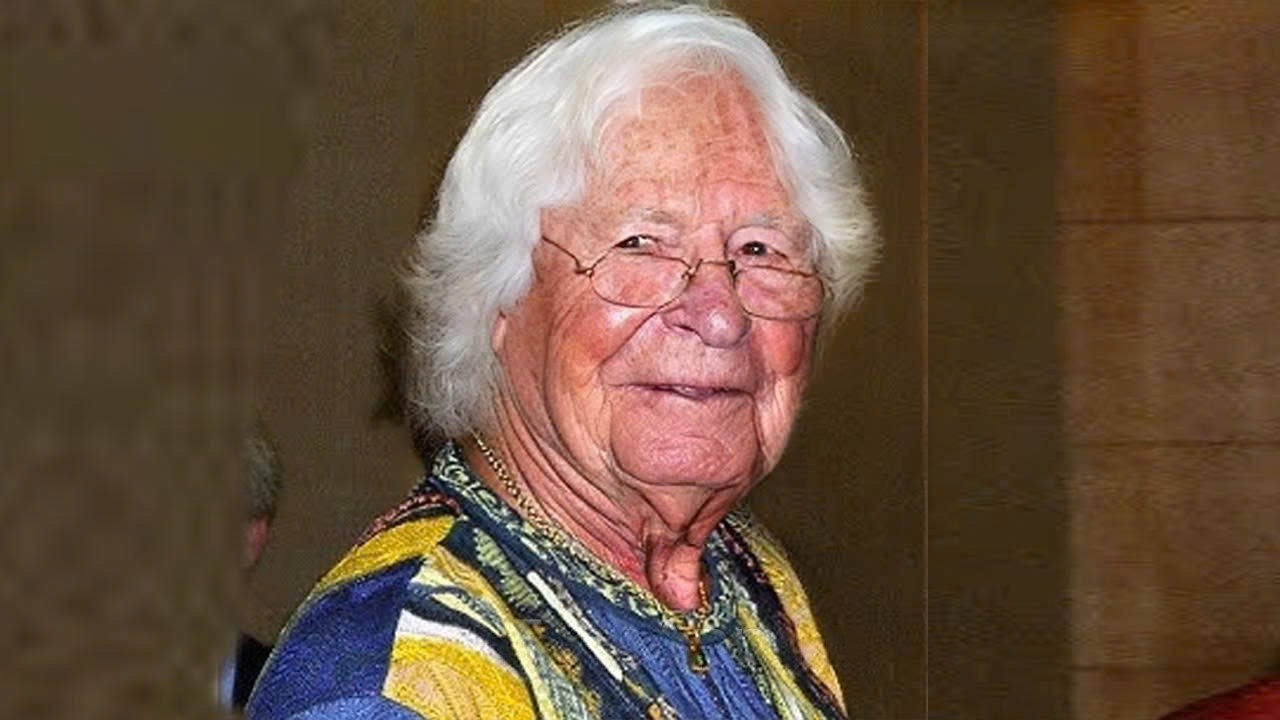
, into a childhood defined by movement, discipline, and emotional distance. His father, a decorated Air Force pilot, was known for precision rather than warmth, and the family relocated constantly between bases in New Mexico, Arizona, Alabama, and Texas. The repeated uprooting left young John feeling like an outsider wherever he went, and he later described himself as an introverted child who struggled to connect, even within his own home. Music became his escape.
A guitar given to him by his grandmother opened the first space where he felt grounded. He practiced relentlessly and began performing in small venues, but even then, a split was forming between the quiet, searching young man and the confident performer who stepped in front of audiences. He briefly enrolled at Texas Tech University, then dropped out and moved to Los Angeles to chase a music career without connections or financial backing. His early years in the industry were unglamorous.
He played small folk clubs for little or no money and joined the Chad Mitchell Trio as a replacement member, stepping into a role with expectations already attached. The pattern that would define his life was already in place: adapting, performing, and quietly holding something back. The turning point came through his songwriting. One song, “Leaving on a Jet Plane,” changed everything, but not because John made it famous.
It was Peter, Paul, and Mary who recorded it and turned it into a number one hit. That success opened doors, but it also introduced new pressures. After signing with RCA, he built his audience manually, traveling across the Midwest, convincing small venues and radio stations to give him a chance. He printed his own posters and sometimes performed for nothing, selling records after shows to survive.
His breakthrough came with “Take Me Home, Country Roads,” which reached number two on the Billboard charts and turned him into a national figure. His image, long blonde hair, a soft voice, and a calm presence, felt like an escape from a complicated world. But audiences didn’t just enjoy his music, they trusted him. They saw him as someone grounded and emotionally steady, and that perception slowly became a role he felt obligated to maintain.
Success followed at an extraordinary pace. His manager, Jerry Weintraub, pushed aggressively for television exposure despite John’s doubts. He released multiple hit albums, including “Rocky Mountain High,” and achieved chart dominance with songs like “Sunshine on My Shoulders,” “Annie’s Song,” and “Thank God I’m a Country Boy. ” He hosted major television events, won an Emmy for a concert special, and appeared on programs across the United States and the United Kingdom.
From the outside, it looked like effortless control. Internally, the identity he was maintaining had begun to separate from the person he actually was. The cracks first appeared in his personal life. His marriage to Annie Martell had once seemed like a perfect extension of his music.
She inspired “Annie’s Song,” written in minutes during a quiet moment on a ski lift, and their life in Colorado reflected the simplicity he sang about. They adopted two children, Zachary and Anna Kate, and John often said that being their father was the most important part of his identity. He wanted to be remembered not as a celebrity but as somebody’s dad. But touring schedules and constant media obligations created a distance neither of them knew how to handle.
Annie later described them as too young and unprepared for the level of success that entered their lives so quickly. When they divorced, the separation was not dramatic on the surface, but it was deeply symbolic. During the division of property, John reportedly cut their marital bed in half with a chainsaw, a striking reflection of how completely their shared life had split apart. His second marriage, to Australian actress Cassandra Delaney, moved even faster toward collapse.
They married after a short courtship and had a daughter, Jessie Belle, but the relationship ended within a few years. John later spoke about that marriage with unusual bluntness, admitting it had left him feeling humiliated. It was one of the few times he allowed the public to see a more complicated, less controlled side of himself. Around the same time, other issues surfaced.
He faced multiple charges for driving under the influence, incidents that directly conflicted with his public image. The Federal Aviation Administration intervened, requiring him to abstain from alcohol to keep flying. When he failed to meet that requirement, his medical certification to operate aircraft was revoked. Despite all this, the public perception held.
To most people, he was still the same voice of comfort. As his personal life unraveled, John shifted his focus outward. He became more politically vocal and more involved in humanitarian and environmental causes. His song “Calypso” reflected his admiration for explorer Jacques Cousteau.
He founded the Windstar Foundation to promote sustainable living and co-created The Hunger Project. He traveled to Africa and witnessed famine firsthand, an experience that deeply affected him. He worked alongside political leaders including Jimmy Carter and received recognition from Ronald Reagan, despite openly criticizing Reagan’s policies. He opposed oil drilling in protected wildlife areas at a time when such positions were far less mainstream.
But activism brought a new kind of pressure. He was now expected to represent ideas and embody moral clarity, leaving little room for personal uncertainty. The same public that saw him as a comforting voice now looked to him as a figure of responsibility, and he stepped into that role even as his private life remained unresolved. Aviation became his other defining passion.
Rooted in a bond with his father, who had once seemed distant but later connected with him through flight lessons, flying gave John something music couldn’t: complete isolation and control. In the air, there were no expectations, no audience, no role to maintain. He invested heavily in planes, purchased multiple aircraft, including jets and experimental models, and logged thousands of flight hours. But his legal issues led to FAA scrutiny, and after failing to meet the conditions imposed on his medical certification, he was disqualified from flying.
He continued anyway, convinced that flying was essential to who he was. The end came on an afternoon that had seemed ordinary. John had acquired an experimental Long-EZ aircraft just weeks earlier. It was not a standard plane, and its design came with unusual challenges.
One of the most critical controls, the fuel selector valve, had been placed behind his left shoulder, making it difficult to reach while seated. He knew about the problem. He had discussed it with a mechanic and tried to find a workaround, but it remained unresolved. He chose to fly anyway.
He departed from Monterey Peninsula Airport and performed a series of touch-and-go landings before heading out over the water. Witnesses later reported seeing the aircraft at a relatively low altitude, around a few hundred feet above the ocean. Then, without warning, the plane pitched downward. Some described it as a steep bank followed by a sudden descent.
Within seconds, it crashed into Monterey Bay. There was no distress call. The final transmission from the cockpit was calm and routine: “Do you have it now? ” Moments later, the signal disappeared.
Investigators determined that multiple factors led to the crash. Fuel levels were low, and the aircraft’s design forced him to turn his body to access the fuel selector valve. In doing so, he likely lost control of the plane. The National Transportation Safety Board concluded that the placement of the control, combined with his limited experience with that specific aircraft and the decision not to refuel, created a chain of events that could not be corrected in time.
He was 53 years old. The reaction was immediate and overwhelming. Thousands gathered for vigils. Tributes came from around the world.
Bill Clinton publicly acknowledged the impact of his music and humanitarian work, emphasizing how deeply he had connected with people. In Colorado, flags were lowered, and his ashes were later scattered in the Rocky Mountains, the place that had inspired so much of his identity. In the quieter reflection that followed, a more complex picture emerged. Not a scandal, but a deeper understanding of the tension he had lived with throughout his life.
The man who sang about belonging had spent much of his life searching for it. The voice that brought comfort to millions had carried its own uncertainty.