Wally Cox, the actor best remembered for his gentle, high-pitched voice and thick glasses, died on February 15, 1973, at his home in Bel Air, Los Angeles. The official cause of death was a heart attack resulting from coronary occlusion. He was 48 years old. The actor, who had a longstanding heart condition, had requested no funeral, and initially, reports indicated that his ashes were scattered at sea.
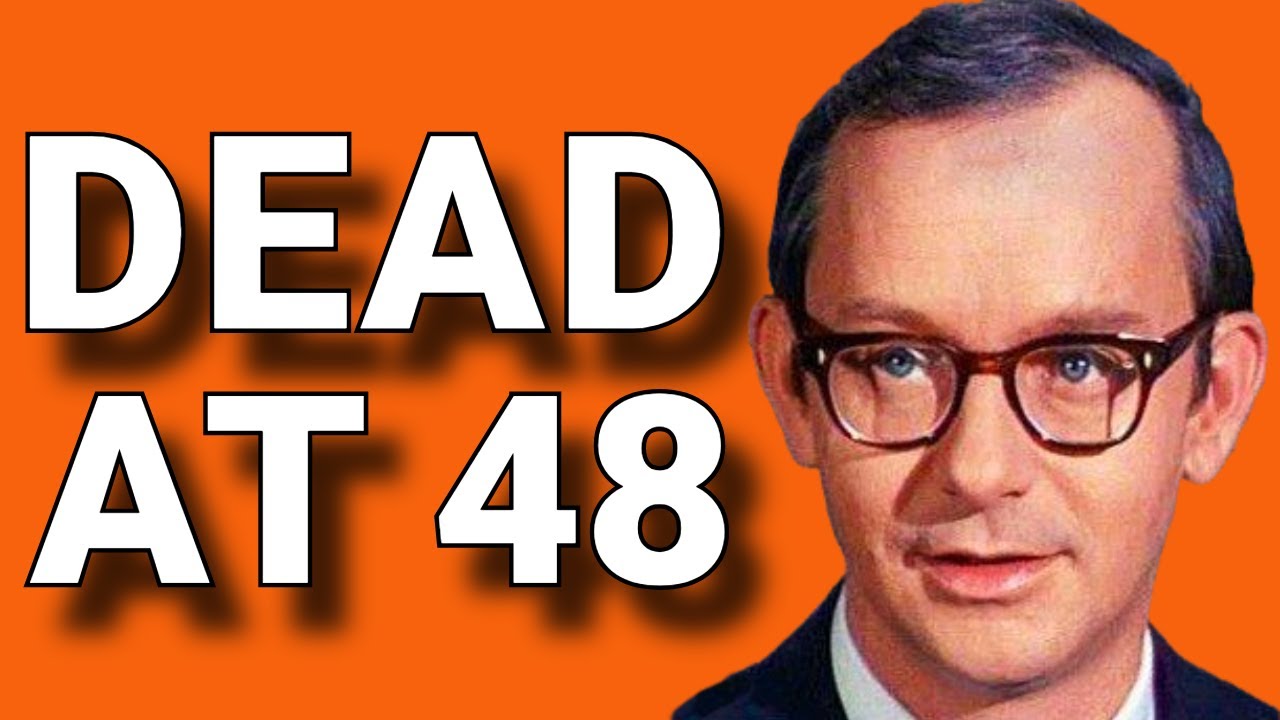
Later accounts suggested a more complex final arrangement: that Cox’s ashes were combined with those of his longtime friend Marlon Brando and fellow actor Sam Gilman, and dispersed over Death Valley. The claims, which surfaced after Brando’s own death in 2004, have never been fully confirmed, but they underscored the deep bond between the two men, a friendship that began in childhood and lasted until Cox’s death. Born Wally Maynard Cox on December 6, 1924, in Detroit, Michigan, his early life was shaped by instability. His parents divorced when he was a boy, and he was raised primarily by his mother, Elanor Blake, a writer of mystery novels, alongside his younger sister.
When Cox was around 10 years old, the family moved to Evanston, Illinois, a relocation that proved pivotal. There, he met a neighborhood boy named Marlon Brando. The two formed an immediate and enduring friendship, sharing secrets and mischief during what was otherwise a nomadic childhood. The family moved again, spending time in New York City before returning to Detroit, where Cox graduated from high school.
With World War II underway, the family went back to New York. Cox briefly attended the City College of New York before enlisting in the U. S. Army, serving for just four months.
After his discharge, he enrolled at New York University while supporting his ailing mother and sister by handcrafting and selling jewelry in a small shop. To unwind, Cox performed offbeat comedy monologues at parties, quirky, often mumbled stories that gained local attention. By 1948, these performances landed him gigs at nightclubs like the Village Vanguard. At the time, his old friend Brando was his roommate and encouraged him to study acting under the renowned teacher Stella Adler.
Cox’s big break arrived in 1949 on the CBS radio program “Arthur Godfrey’s Talent Scouts. ” His routine, a comedic story about a punk kid capped with a yodeling song, nearly won the night and earned him a recording contract. Over the next few years, Cox worked in Broadway revues, nightclubs, and early television variety shows. In 1952, he landed the lead role of a shy, mild-mannered teacher in the hit NBC sitcom “Mr.
Peepers. ” The show ran for three successful seasons and made him a household name. He went on to provide the voice of the heroic cartoon character Underdog, becoming synonymous with the line, “There’s no need to fear. Underdog is here.
” He also became a popular panelist on “Hollywood Squares” and took on memorable film roles, including a preacher in “Spencer’s Mountain” and a sonar operator in the 1964 thriller “The Bedford Incident. ” In 1962, he appeared in Marilyn Monroe’s unfinished final film, “Something’s Got to Give,” and he guest-starred on classic television series such as “The Twilight Zone,” “The Beverly Hillbillies,” and “Lost in Space. ”
Cox’s on-screen persona—a pedantic, nervous character with a reedy voice and thick glasses—belied his off-screen nature. In private, he was adventurous and athletic, often working with his hands.
He wired his own home and regularly tinkered in a personal workshop. On the game show “I’ve Got a Secret,” he once surprised viewers by racing around the set and assembling furniture with notable physical energy. His personal life included three marriages and two children, but his most significant relationship remained his friendship with Brando. The two had been roommates, confidants, and constant presences in each other’s lives.
The intensity of their bond drew persistent rumors over the years. Brando once joked to a journalist, “If Wally had been a woman, I would have married him and we would have lived happily ever after. ” On another occasion, Brando reportedly told a different journalist that Cox was the love of his life. Cox wanted no formal funeral, and his death at 48 cut short a career that had spanned radio, television, film, and voice acting.
Despite his quiet demeanor and modest public profile, his influence on early television comedy was considerable, and his friendship with one of Hollywood’s most legendary actors remained a subject of fascination long after both men were gone.


