News that political commentator and Turning Point USA founder Charlie Kirk had been shot and killed during a speaking event at Utah Valley University sent shockwaves through political circles, the media, and, unexpectedly, Hollywood. At just 31 years old, Kirk’s death prompted a wave of public reaction, but it was actor Chris Pratt’s response that became one of the earliest and most surprising celebrity voices to emerge. Pratt, known for his roles in Guardians of the Galaxy and Jurassic World, took to social media with a brief, heartfelt message. He wrote that he was praying for Kirk, his wife, and young children, and for the country, adding that “We need God’s grace.
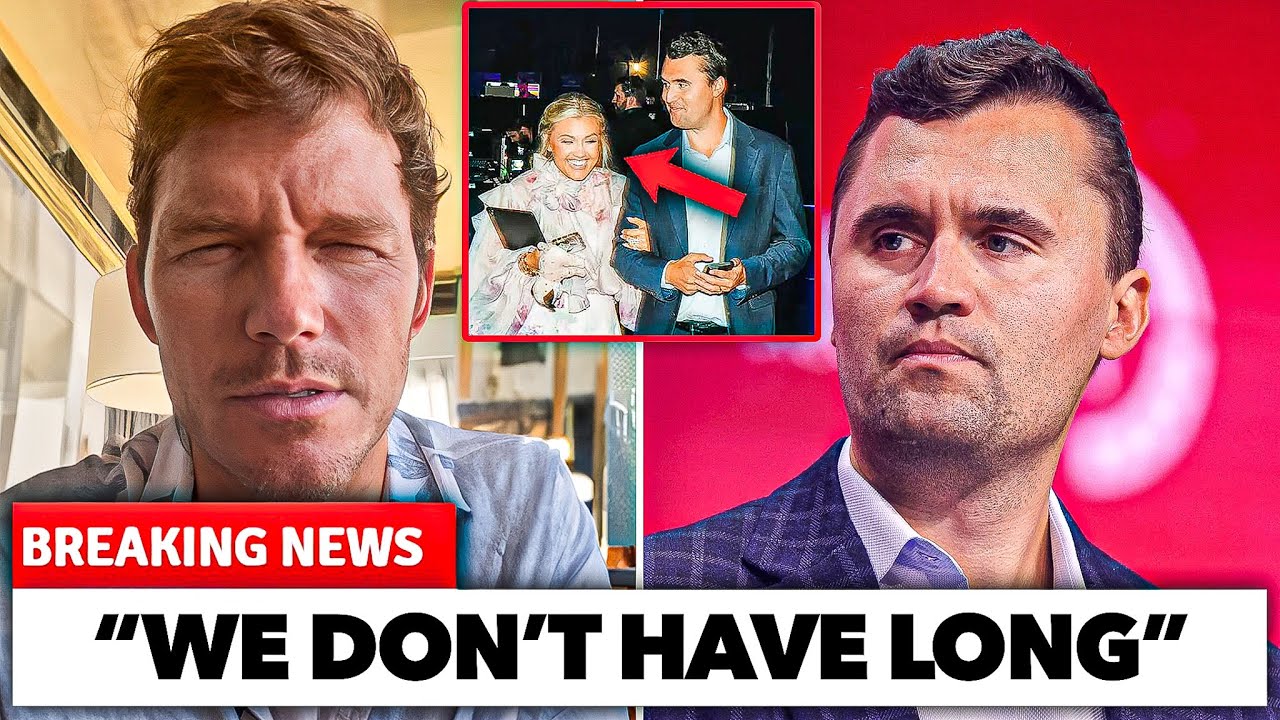
God help us. ” The post immediately made headlines and ignited debate across the political spectrum. The message was notably non-political. Pratt did not mention policy, ideology, or blame.
He expressed grief, concern for Kirk’s family, and a call for divine mercy. Media outlets, including Newsweek, highlighted the post as a prayer in a moment of public pain, while others described it as a sincere call for unity. The reaction was swift and divided. Supporters praised Pratt for leading with compassion, calling him a rare figure in Hollywood who speaks of faith without preaching.
Critics questioned the timing and sincerity of the post, with some suggesting that referencing Kirk, given his political background, was a coded political statement, despite Pratt making no mention of politics. Pratt never responded to the backlash. He did not delete or edit the post, and his silence after the initial message became part of the story. As other public figures began to weigh in, the discussion surrounding Kirk’s death only grew.
Several celebrities followed Pratt’s lead with their own tributes. Matthew McConaughey urged people to take a deep breath before judging one another. Tim Allen commented with a praying hands emoji under Pratt’s original post. Mark Wahlberg shared a message reminding people that loss is not a time to keep score.
Candace Cameron Bure offered direct condolences to Kirk’s family, and country musicians Jason Aldean and Morgan Wallen shared quiet tributes focused on the suddenness of losing someone so publicly recognizable. This wave of mourning was distinctly nonpartisan, creating a rare moment where Hollywood’s usual ideological divide seemed to step back to observe the humanity in grief. Still, critics analyzed every word, every silence, and every emoji. Pratt’s name trended for over 36 hours, not because of a film release or press tour, but because his choice to mourn someone like Kirk openly with grace and without agenda opened a flood of speculation, backlash, and surprising support.
Some praised his courage; others accused him of amplifying a polarizing figure. Amid the noise, the simplicity of his original message remained rooted in faith and shared human experience. Behind the scenes, the entertainment industry reacted quietly. Press representatives reportedly advised Pratt to let the tribute stand on its own and avoid follow-up commentary.
A source close to the Jurassic World set described the mood as shifted, with crew members asking if he was okay. Pratt reportedly replied, “I’m grieving. ”
Publicists held closed meetings about how future emotional statements might impact public perception. Marketing teams drafted contingency plans.
Some of Pratt’s co-stars reached out privately, with one Marvel co-star sharing that the cast received text messages from him that were personal rather than public relations. Fans of the Marvel universe split sharply over the post. Some applauded him for expressing compassion, while others questioned why he would acknowledge someone as controversial as Kirk. In response to the volume of reactions, Pratt shared a Bible verse on Instagram with no name or context, followed by a post encouraging people to go outside and call someone they had not spoken to.
The backlash continued, with some accusing Pratt of being tone-deaf or opportunistic. Despite the turmoil, several fellow actors sent private messages of support, and the mood on set was described as quietly respectful. As the digital argument settled, a different kind of reaction emerged from churches, Christian influencers, and faith leaders. Pratt, long known for his outspoken belief in God, had unintentionally sparked a conversation about the broader cultural role of faith.
Pastors referenced his prayer in sermons and podcasts, focusing on the value of pausing to grieve and show compassion in polarized times. One pastor noted that a person does not have to agree with someone’s politics to mourn their death. Pratt did not follow up with additional commentary. He did not defend his beliefs or capitalize on the spotlight.
The silence became part of the message’s power. Viral clips circulated comparing his post to older messages from celebrities like Denzel Washington or Keanu Reeves, who have also been praised for quiet empathy rather than political reaction. In the days that followed, the conversation did not explode but echoed with a reflective calm. There were no headline-grabbing follow-ups from Pratt, no network interviews, no clarifying statements.
Instead, his words rippled through unexpected spaces. A conservative student group held a candlelight vigil for respectful dialogue. A progressive podcast offered rare appreciation for Pratt’s dignity. A country music artist tweeted that the world needed more like him.
The moment did not unify America, but it revealed something important: that amid all the noise, there is still room for grace. Chris Pratt did not change the world or end division. But he reminded people that not every response has to be loud, that grief can exist without agenda, and that prayer does not require permission from the internet.