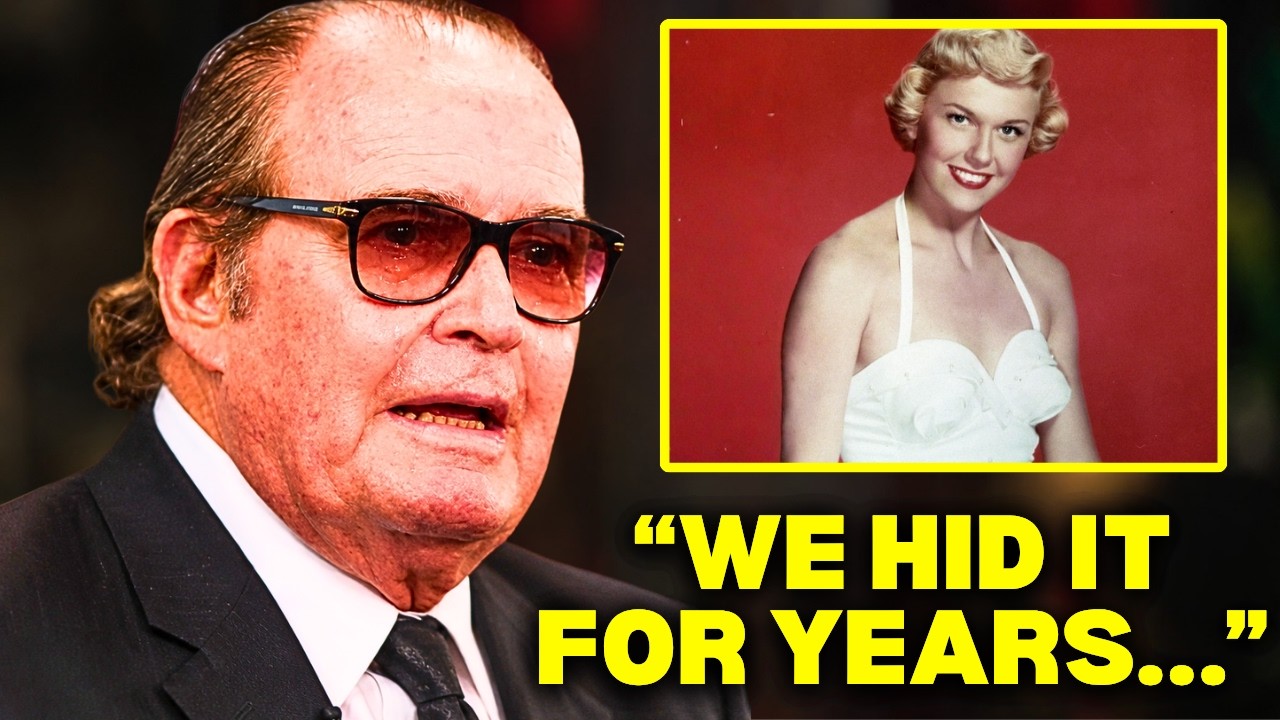
The final years of James Garner’s life were quiet, a stark contrast to the decades of loud acclaim he earned on screen. Yet, when the icon passed away in 2014, he left behind a digital trail of questions that refused to die with him. At the center of that storm was Doris Day, his cinematic partner in two of Hollywood’s most beloved comedies, and a relationship that, according to lurking rumors, was built on a secret bitterness the public never saw.
Garner’s memoir, The Garner Files, published in 2011, serves as the definitive counterweight to the ghost stories. Rather than delivering a scathing indictment of his co-star, the book meticulously details their professional connection. He praised Day’s comedic instincts, noting their timing was electric and that she was not the fragile persona she often portrayed, but a sharp, capable entertainer.
 This is hardly the language of a man holding a grudge.
The conundrum deepened with the release of their earlier films. In The Thrill of It All and Move Over, Darling, their chemistry was undeniable, a blend of physical comedy and quick-fire dialogue that made them look like a couple who finished each other’s sentences. Audiences viewed this as natural, and Hollywood viewed it as gold.
It seemed impossible that the affection on screen was entirely synthetic.
 Yet, the dark whispers persisted, centered on a specific incident. The story goes that during a particularly physical gag on set, Garner was injured falling through a sofa—or vice versa—and Day failed to react with sufficient sympathy, leading to a frost that never thawed. Another fractured narrative, however, puts the injury directly on Day’s ribs, a depiction of an actor accidentally striking too hard.
The truth in that era was that their partnership demanded real physical risk. Comedies relied on perfectly executed falls and slaps, and both stars carried those bruises. It is entirely plausible that moment existed, but does a split-second on a cold stage warrant decades of hostility?
 Post-1963, their professional paths diverged, which history often mistakes for betrayal, but their personal connection seemed to survive the silence.
Doris Day’s own words, given after Garner’s death, extinguish the mists of resentment. In interviews, she spoke forthrightly and with fond memory, calling him a dear friend. She revealed that they remained friends over the years, keeping off-the-record conversations alive until the very end.
 That is not the testimony of a woman who dreaded hearing from him; it sounds like the comfort of a friendship that already settled.
The conflict between the public feud narrative and the documented, verified friendship suggests the real 𝒔𝒄𝒂𝓃𝒹𝒶𝓁 enters the departure into speculation. Garner never gave that explosive final interview. It was a fiction constructed from the void left by their separation in movies, profitable headlines, and a public hunger for someone in the dark lives of the stars.
By the time of his passing, the two legends had proven their bond was more than a movie screen. The value of their chemistry existed not because they were lovers, but expert collaborators who respected the craft. Their kinship came from surviving the Brighton lights together, not from a secret 𝒔𝒄𝒂𝓃𝒹𝒶𝓁.
The supposed truth of a feud, then, is the most tragic rumor Hollywood ever told.