Severe obesity does not typically kill through a single dramatic event. Medical evidence describes the process as a slow, multi-system unraveling that can unfold over years or decades, with nearly every major organ system failing in sequence before death occurs. Cardiovascular disease is the leading cause of death in people with severe obesity. The process begins quietly, as excess weight forces the heart to pump harder.
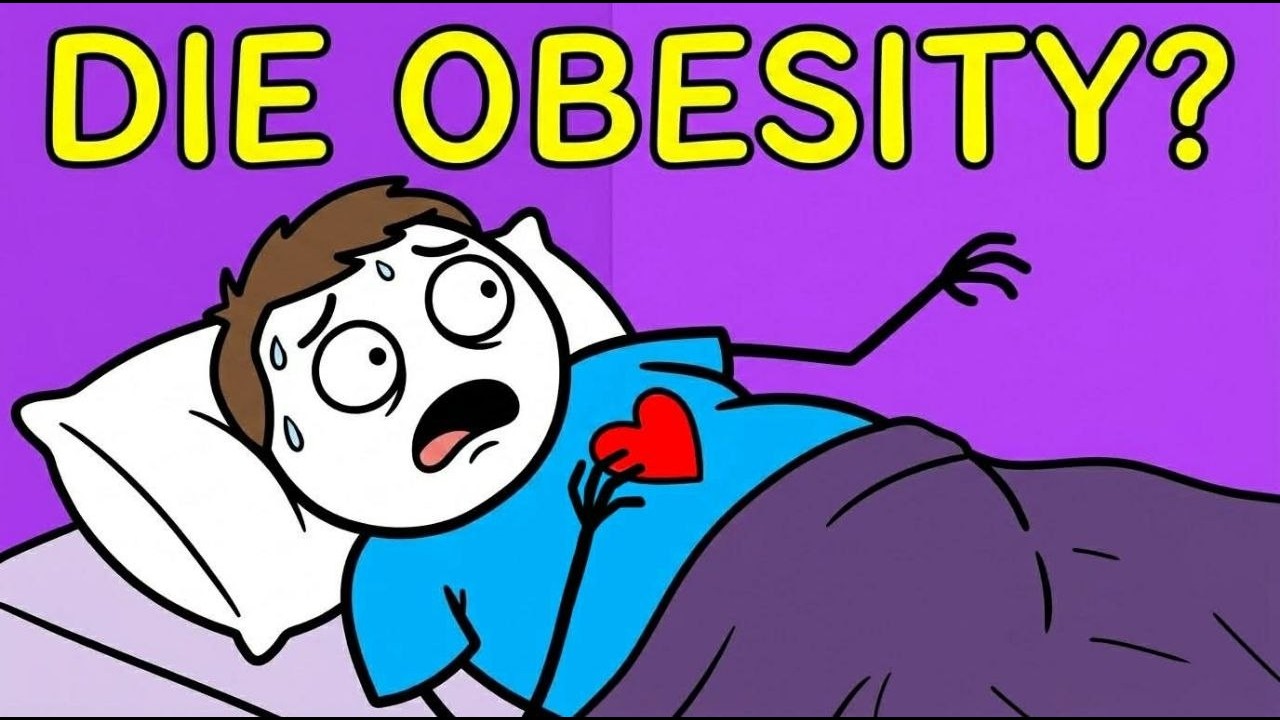
Over time, the heart’s main pumping chamber enlarges and stiffens in a condition known as left ventricular hypertrophy, which eventually compromises the heart’s ability to fill properly between beats, leading to diastolic heart failure. At the same time, chronic inflammation damages the walls of arteries throughout the body. Plaques accumulate inside blood vessels, narrowing them and driving blood pressure higher. This feedback loop accelerates until the heart is fighting against increasingly stiff and narrowed vessels.
Insulin resistance develops in the background, as visceral fat releases fatty acids and inflammatory cytokines that interfere with insulin signaling. The pancreas compensates by producing more insulin until it can no longer keep up, and type 2 diabetes develops. Chronically elevated blood sugar is corrosive to the delicate lining of capillaries, damaging the kidneys, the retinas of the eyes, and peripheral nerves. Kidney failure and heart failure often reinforce each other in a mutually destructive pattern called cardiorenal syndrome.
Meanwhile, diabetic retinopathy can cause vision loss and blindness years before death. Diabetic neuropathy can eliminate sensation in the feet, allowing wounds and infections to go unnoticed. Infection can lead to gangrene and amputations, and many patients do not survive long after major amputations because healing is compromised. Breathing is another major system affected.
Obese hypoventilation syndrome, sometimes called Pickwickian syndrome, occurs when the mechanical load of excess weight on the chest wall prevents adequate lung expansion. The diaphragm is pushed upward by abdominal fat, and carbon dioxide begins to accumulate in the blood. Over time, the brain adapts to tolerate higher CO2 levels, blunting the normal drive to breathe. During sleep, obstructive sleep apnea is nearly universal in severe obesity.
The airway collapses repeatedly, sometimes hundreds of times per night, causing oxygen levels to crash and forcing the heart to respond with adrenaline surges and blood pressure spikes. The cumulative cardiac stress from untreated sleep apnea alone can cause heart failure, and many people with severe obesity and untreated sleep apnea die in their sleep. Chronic inflammation also creates an environment in which cancer thrives. Obesity is strongly linked to at least 13 types of cancer, including colorectal, pancreatic, endometrial, kidney, esophageal, breast, and liver cancer.
Chronically elevated insulin acts as a growth factor, excess estrogen drives hormone-sensitive cancers, and chronic inflammation damages DNA and impairs immune surveillance. Non-alcoholic fatty liver disease is another catastrophic complication. When fat accumulates in the liver, the cells become inflamed and die, and scar tissue replaces them. As fibrosis progresses into cirrhosis, the liver can no longer perform its hundreds of essential functions.
Portal hypertension can cause fragile veins in the esophagus and stomach to rupture, fluid can accumulate massively in the abdomen, and toxins the liver can no longer process can poison the brain, causing confusion, personality changes, and eventually coma. Severe obesity also makes treatment of disease extraordinarily difficult. Surgery carries high risk, anesthesia management is complex, imaging equipment has weight limits, and medication dosing is imprecise because drug distribution is altered. Even basic procedures like placing an IV line become challenging, delaying critical interventions.
The psychological dimension compounds the physical suffering. Depression and obesity have a bidirectional relationship, with chronic inflammation suppressing dopamine signaling. The brain seeks compensatory rewards, and ultra-processed food engineered to hit dopamine receptors becomes one of the few sources of relief. Shame causes people to delay seeking medical care, and by the time they present with a serious complication, it has often been developing silently for years.
In the terminal phase of obesity-related multi-organ failure, the body loses battles on every front at once. Fluid backs up into the lungs, causing breathlessness even at rest. The kidneys produce barely any urine. Fluid accumulates throughout the body, pressure ulcers develop and become infected with antibiotic-resistant organisms, and sepsis in the context of multi-organ failure is almost always fatal.
The dying trajectory for organ failure is a gradual decline interrupted by acute crises, each one leaving the person weaker. Hospitalizations become more frequent, and eventually a conversation happens where the goal of care shifts from cure to comfort. Morphine is given for breathlessness, sedation for the agitation that comes with air hunger, and family members hold hands until silence. Medical professionals emphasize that severe obesity develops in a context.
The food environment is designed to maximize consumption, socioeconomic conditions limit access to healthy options, trauma histories reshape the nervous system’s relationship with food, and genetic predispositions make some people vastly more susceptible to weight gain. The cultural narrative that frames obesity as a morality tale about laziness and gluttony absolves systems of responsibility and places the entire burden on the individual. Effective treatments exist. Bariatric surgery produces remission of type 2 diabetes in a significant proportion of patients, often before substantial weight loss has occurred.
It reduces cardiovascular events, cancer risk, and all-cause mortality. GLP-1 receptor agonists, a class of medications including semaglutide, produce meaningful weight loss and directly reduce cardiovascular events independent of weight loss. Intensive behavioral support addresses the psychological and social roots of the condition. None of these interventions are silver bullets, but all are described as far more effective than shame or judgment.
The final hours in an ICU room, surrounded by machines and alarms, still find nurses talking to patients like people, holding hands, adjusting pillows, and asking about family members by name. The natural conclusion of a disease that is still in many places not treated as a disease at all remains a gap of resources, understanding, access, and compassion rather than a gap of character.