Bankovní manažer najednou mluvil tak potichu, že jsem si nejdřív myslela, že spojení spadlo. „Plukovnice Donovanová. Váš otec je tady s ženou, která tvrdí, že je vaše matka. “ Musela jsem se zasmát.
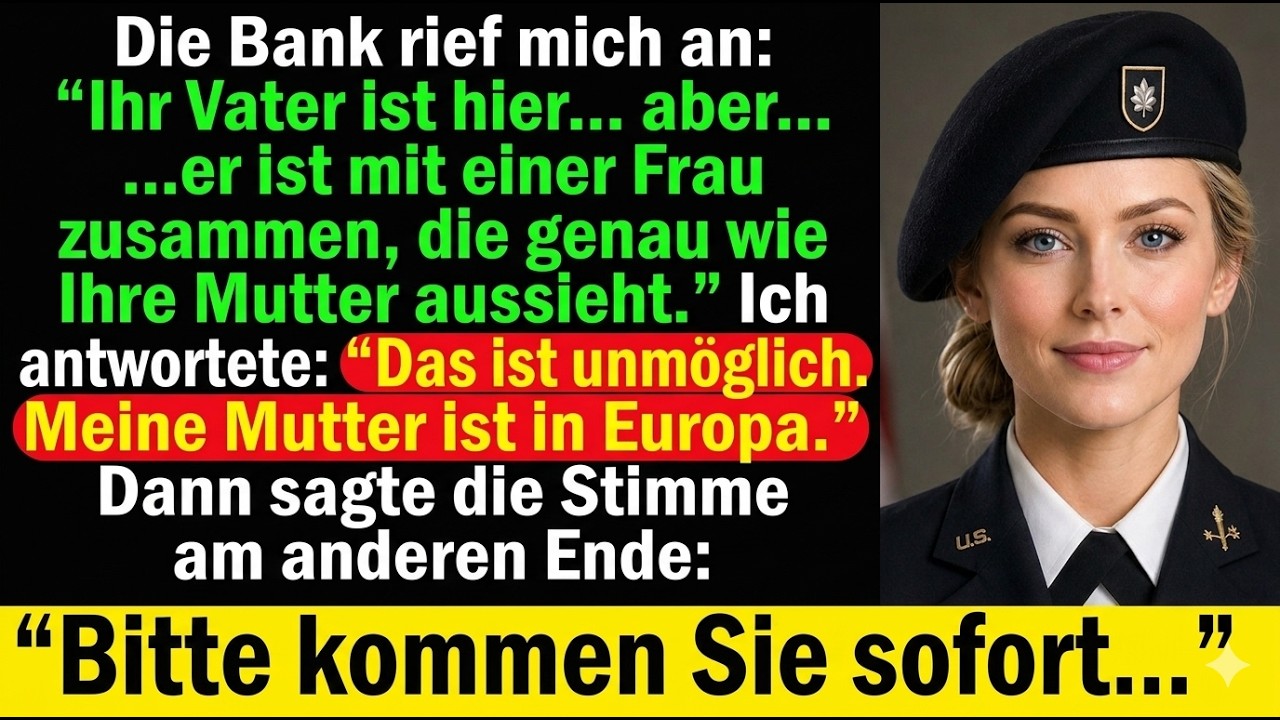
Ne proto, že by to bylo vtipné, ale proto, že mozek někdy odmítne realitu dřív, než srdce pochopí, co se děje. „To není možné,“ řekla jsem. „Moje matka je v Evropě. “ Na druhém konci nastala pauza.
Tak dlouhá, že se mi v žaludku usadilo něco studeného. Pak řekl klidně: „M, ta žena má doklady její matky. Podpis souhlasí. A váš otec trvá na tom, že je to jeho manželka.
“ Stála jsem uprostřed kuchyně s telefonem u ucha, zatímco za mnou syčel kávovar. Venku pomalu projížděl popelářský vůz. Někde štěkal pes. Všechno znělo naprosto normálně.
A pak ten muž řekl větu, která navždy zničila mou rodinu. „Ta žena vypadá přesně jako její matka. “ Poprvé za dvacet let vojenské služby se mi začala třást ruka. Jmenuji se Claire Donovanová.
Je mi dvaačtyřicet, jsem podplukovnice armády a většinu života jsem věřila, že pravda se nakonec vynoří, když člověk zůstane dost dlouho klidný. Toho rána jsem se naučila něco horšího. Někdy má pravda tvář tvojí matky. Hovor přišel v úterý ráno v 9:17.
Stála jsem bosá v kuchyni a čekala na kávu. Vojenský výcvik vás naučí všímat si detailů. Časů, pauz, změn v tónu hlasu. Zrovna jsem si žehlila uniformu na briefink v Pentagonu.
Manažer se představil jako Daniel Mercer z First National Trust. Klidný hlas, kontrolované dýchání. Muž, který se naučil nikdy nepůsobit nervózně. Ale strach se stejně projeví.
V pauzách, v opatrných formulacích. Nejdřív jsem si myslela, že se něco stalo mému otci. Richard Donovan měl čtyřiasedmdesát, bývalý policista, tvrdohlavý až k sebezničení. Nikdy jsme si nebyli nijak blízcí, ale rodiny z života toho druhého jen tak nezmizí.
Pak padlo jméno mé matky. „Právě se snaží provést změny v rodinném svěřenském fondu. “ Odložila jsem hrnek s kávou. „Moje matka je ve Florencii,“ řekla jsem pomalu, „už skoro dva týdny.
“ „Právě proto volám. “
Nepamatuji si, že bych si sedla. Ještě okamžik jsem stála v kuchyni. Vzápětí jsem seděla u stolu a zírala na vychladlou kávu.
Mercer mluvil dál opatrně. „Váš otec trvá na tom, že ta žena je Margaret Donovanová. Ale jeden z našich zaměstnanců měl pochybnosti. “ „Jaké pochybnosti?
“ „Vypadá téměř dokonale jako vaše matka, ale některé věci nesedí. Detaily. “ Lži vždycky selžou na detailech. Lidé si dokážou zapamatovat data a podpisy, ale ne zvyky, ne skutečné reflexy, ne chování prožité léty.
„Kdy dorazili? “ „Asi před čtyřiceti minutami. “ „A proč voláte mně, a ne policii? “ Zase ta pauza.
„Protože váš otec to zřejmě hodlá dotáhnout do konce. “ Tehdy se mi ze země pod nohama ztratila půda. Ne proto, že bych si myslela, že otce někdo manipuluje, ale protože jsem náhle pochopila, že možná spolupracuje dobrovolně. Převlékla jsem se.
Žádná uniforma. Tmavé džíny, šedý svetr, vlasy přísně stažené dozadu. Neutrální, kontrolovaná. V zrcadle jsem vypadala klidně.
Vojenská disciplína umí hodně skrýt. Většina lidí si myslí, že důstojníci milují moc. Já jsem vždycky milovala jen strukturu, pravidla. Jasnost.
Rodiny ale podle pravidel nefungují. Rodiny se skládají ze starých ran, kterým se říká tradice. Cestou do banky jsem pořád dokola myslela na stejnou větu. Vypadá přesně jako její matka.
Moje matka byla dvanáct dní ve Florencii. Každé ráno posílala fotky. Kostely, kávy, malé šálky espressa, které si objednávala jen kvůli snímkům. Espresso nesnášela.
Třikrát jsem jí chtěla zavolat. Třikrát jsem si to rozmyslela. Nejdřív informace, pak emoce. Když jsem zajela na parkoviště před bankou, tep měl zase klidný, chladný, kontrolovaný.
Banka stála mezi zubní ordinací a advokátní kanceláří. Drahé sklo, upravené živé ploty. Typická snaha působit bezpečně. Jakmile jsem ale vešla, věděla jsem, že něco není v pořádku.
Zaměstnanci se moc rychle dívali jinam. Mladá recepční mě okamžitě poznala. Po tváři jí přeběhla úleva. „Paní plukovnice Donovanová.
Pojďte prosím se mnou. “ Zavedla mě do kanceláře, kde už čekal Daniel Mercer. Za ním byla skleněná stěna s napůl zataženými žaluziemi. „Děkuji, že jste přišla tak rychle,“ řekl.
„Kde jsou? “ Beze slova ukázal k oknu. „Měla byste se připravit. “ Přistoupila jsem blíž a podívala se úzkou škvírou.
Můj otec seděl u konferenčního stolu. Měl na sobě ten samý hnědý kabát, který nosil už při mém prvním nasazení v Afghánistánu. Ztuhlé držení těla, podrážděné bubnování prsty. A vedle něj seděla moje matka.
Aspoň v to moje mysl na vteřinu uvěřila. Stejné stříbrnoplavé vlasy, stejně elegantní postoj, stejná tmavomodrá šála. Ta podoba mě zasáhla jako rána. A pak jsem zahlédla chybu.
Snubní prsten. Na špatné ruce. Moje matka nosila prsten léta na levé. Žena v konferenčním sále ho měla na pravé.
V tu chvíli jsem pochopila něco děsivého. Někdo moji matku studoval. Velmi pečlivě. Zůstala jsem za sklem a ženu dál pozorovala.
Nebyla to povrchní podobnost. Ne to „někomu se podobáte“. Tahle žena převzala držení těla mé matky. Její klidné pohyby, dokonce i to mírné naklonění hlavy, když poslouchala.
Někdo ji vycvičil. A přesně to mě děsilo víc než samotný podvod. Lidé se nenaučí nazpaměť celé chování někoho jiného, ledaže by šlo o něco cenného. „Předložila platné doklady,“ řekl Mercer tiše.
„Řidičák, kopii pasu, číslo sociálního pojištění. Jestli jsou padělané, zatím nevíme. “ Dívala jsem se dál na otce. „A on opravdu tvrdí, že je to moje matka?
“ „Ano. “ V kanceláři bylo najednou příliš teplo. Venku zvonily telefony. Pracovala tiskárna.
Na chodbě se někdo smál. To bylo na tom všem nejpodivnější. Svět běží dál úplně normálně, zatímco se tvůj vlastní život rozpadá. „Co přesně chtějí změnit?
“ Mercer opatrně otevřel složku. „Restrukturalizovat rodinný svěřenský fond. Převedení nemovitostí. Změnit přístupová práva.
“ Moje matka by nikdy nedělala finanční rozhodnutí, aniž by se mnou promluvila. Vypadal zaraženě. „Váš otec řekl, že si rodina přeje diskrétnost. “ Skoro jsem se zasmála.
Diskrétnost. Tak můj otec desítky let nazýval mlčení. Když mi bylo osm, spadla jsem z kola a bradou narazila na beton. V nemocnici jsem vedle něj seděla celá od krve a on řekl jen: „Pláč nic neřeší.
“ Tenkrát jsem ani neplakala. A právě to bylo nejhorší. On si vážně myslel, že mě učí síle. Později jsem o otci pochopila jednu věc.
Respektoval tvrdost, ale emoční inteligenci považoval za slabost. A silné dcery mužům jako on nahánějí strach. „Můžu s ním mluvit o samotě? “ zeptala jsem se.
Mercer zaváhal. „Nechceme eskalaci. “ „Nebude. “ Aspoň jsem doufala.
O pět minut později vstoupil můj otec do malé kanceláře s výhledem na parkoviště. Pohyboval se pořád jako policista. Široká ramena, hluboká vráska na čele, trvalé zklamání ve tváři. Když mě uviděl, něco v něm na okamžik zajiskřilo.
Ne vina. Vztek. „Neměla bys tu být,“ řekl okamžitě. Žádné ahoj, žádné překvapení, jen obrana.
Pomalu jsem se opřela. „Zajímavé,“ řekla jsem klidně. „Banka mi zavolá, že tu sedíš s dokonalou dvojnicí mé matky, a tohle je tvoje první věta. “ Čelist se mu stáhla.
Pomalu řekl: „Ta žena je tvoje matka. “ „Ne,“ odpověděla jsem klidně. „Není. “ Rozhostilo se ticho.
Pozorovala jsem otce zblízka. Nikdy nebyl dobrý lhář. Kdykoli něco zatajoval, příliš ztichl. Už jako dítě jsem věděla, že porušil slovo, ještě než promluvil.
A přesně tak vypadal i teď. „Ty vždycky vidíš to nejhorší,“ zamumlal. Ta věta zasáhla víc, než měla. Možná proto, že jsem ji slýchala celý život.
Když jsem ho varovala, aby si pořád nepůjčoval peníze. Když jsem matce říkala, ať mu nepodepisuje další úvěr. Když jsem vysvětlovala, že jeho podnikatelské nápady znějí jako chaos. „Moc přemýšlíš,“ řekl otec.
„Pořád. “ Možná měl pravdu. Ale přemýšlení mi v armádě zachránilo život. A někdy i v rodině.
„Včera jsem mluvila s mámou,“ řekla jsem tiše. „Byla ve Florencii. “ „Vrátila se dřív. “ „Dnes ráno ještě postovala fotky z Itálie.
“ Na krátký okamžik se jeho pohled vyhnul mému. Byla tam. Ta malá trhlina v jeho příběhu. Najednou jsem necítila nic než chlad.
„Dal jsi někomu její doklady,“ řekla jsem. „Nechal jsi je okopírovat. “ „Claire. “ „Přivedl jsi cizí ženu do banky a vydával jsi ji za svou manželku.
“ Praštil rukou do stolu, až zacinkaly propisky v kelímku. „Řekl jsem dost. “ Ten výbuch rychle vyprchal. Ani jsem se nezachvěla.
To ho rozčílilo ještě víc. Dlouho na mě zíral. Znala jsem ten pohled. Stejně se na mě díval před třemi lety na oslavě mého povýšení.
Pod povrchem byla hrdost, ale nad ní něco jiného. Odstup. Jako by mě každý můj úspěch vzdaloval od jeho představy správné ženy. „Ty ses změnila,“ řekl nakonec.
Skoro jsem se zasmála. „Ne,“ odpověděla jsem klidně. „Jen jsem přestala žádat o svolení k vlastnímu názoru. “
To ho zasáhlo.
Viděla jsem to v pohybu jeho úst. Celá léta probíhaly naše rozhovory podle stejných pravidel. Já zůstávala pod kontrolou. On zůstával citově nedostupný.
A my jsme tomu říkali mír. Tentokrát to ale bylo jiné. Ne hlasité. Spíš jako led, který se pod tíhou pomalu láme.
Na stole mu zavibroval telefon. Sáhl po něm příliš rychle. Než ho otočil, stačila jsem zahlédnout jméno na displeji. Ethan.
Samozřejmě. Rozlévala se ve mně hluboká únava. Ne proto, že by mohl být zapletený můj bratr, ale protože jsem to z části očekávala. Ethan Donovanovi bylo osm třicet a pořád žil, jako by důsledky vymysleli pro jiné lidi.
Zkrachovalé firmy. Hazardní dluhy. Velká slova bez obsahu. Otec ho desítky let zachraňoval a říkal tomu podpora.
A já byla dcera, kterou nikdy nebylo třeba zachraňovat. Zní to nejdřív jako kompliment. Dokud nepochopíte, co to ve skutečnosti znamená. Nikdo se silného dítěte nezeptá, jestli není osamělé.
Nikdo se nezeptá, jestli není unavené. Můj otec prudce vstal. „Odcházíme. “ „Ne,“ řekla jsem klidně.
„Neodcházíte. “ Podíval se na mě. A poprvé v životě asi pochopil, že už se nesnažím získat jeho uznání. Vyděsilo ho to.
Po jeho odchodu jsem zůstala v kanceláři ještě skoro minutu sama a zírala na prázdnou židli. Tep byl klidný. Ale pod tím klidem začalo bolet něco jiného. Ne vztek.
Smutek. Smutek z rozpoznání vzorce, který jsem léta nechtěla pojmenovat. Pak mi zavibroval telefon. Máma.
Zvedla jsem to okamžitě. Její tvář se objevila v ostrém slunci Florencie. Seděla venku u kávy, velké sluneční brýle, vřelý úsměv. „Tak tu mám svou vojandačku,“ řekla.
Náhle se mi sevřelo hrdlo. Za ní pokračoval italský život klidně dál, netuše, že na jiném kontinentu někdo ukradl její identitu. „Všechno v pořádku, zlato? “ Přinutila jsem hlas ke klidu.
„Žádal tě táta před cestou o kopie tvého pasu? “ Úsměv jí pohasl. „Ano, proč? “ Chlad se okamžitě vrátil.
„Co říkal, k čemu je potřebuje? “ „Do banky. Něco s dokumenty. “ Zavřela jsem na chvíli oči.
Když jsem je otevřela, dívala jsem se oknem zpátky do konferenční místnosti. Falešná žena tam seděla s děsivou samozřejmostí vedle mého otce. A najednou jsem pochopila. Tohle nezačalo dnes.
Tohle běželo měsíce. Možná déle. Po hovoru jsem nejela domů. Skoro hodinu jsem bloudila severní Virginií.
Rádio vypnuté. Obě ruce pevně na volantu, jako bych převážela výbušniny místo myšlenek. Dokola se mi hlavou honila stejná otázka. Jak dlouho to můj otec plánuje?
Ne proto, že bych ho považovala za zločineckého génia. Richard Donovan nikdy nebyl subtilní. Řešil problémy jako policajt z osmdesátých let. Mluvit hlasitěji, tlačit tvrději, nikdy neukázat slabost.
Ale zoufalství lidi mění. Hlavně starší muže, kteří se bojí ztráty kontroly. Na červenou v Arlingtonu jsem nakonec zajela na parkoviště starého bistra, kam jsem chodívala po nočních službách. Ošoupané sedačky, spálená káva, country v rádiu.
Polední nával byl pryč. Starší servírka doplňovala cukřenky. Sedla jsem si do zadního rohu a objednala si černou kávu. Žena si mě krátce prohlédla.
„Dlouhý den? “ Skoro jsem řekla pravdu. Místo toho jsem jen kývla. Věnovala mi to tiché porozumění starších žen, které okamžitě poznají, když je někdo vyčerpaný.
Žádné otázky, žádná lítost. Jen pochopení. Když odešla, vytáhla jsem si notes. Žádný telefon, papír.
Některé armádní návyky nikdy nezmizí. Nejdřív jsem napsala jména. Richard Donovan. Ethan Donovan.
Margaret Donovanová. Neznámá podvodnice. Pod to jsem napsala jedinou větu. „Někdo moji matku studoval tak pečlivě, že ji dokázal nahradit.
“ Dlouho jsem na ta slova zírala. Servírka přinesla kávu. „Vypadáte jako voják,“ řekla. „Armáda.
“ Kývla. „Můj syn byl u námořní pěchoty. Jiná uniforma. Stejné oči.
“ „Jaké oči? “ „Ty unavené. “ Když odešla, seděla jsem tiše a poslouchala cinkání příborů. A pomalu se ve mně usadila pravda.
Nepřekvapilo mě, že chce otec finančně pomoct Ethanovi. To dělal vždycky. Zničilo mě něco jiného. Byl kvůli tomu ochotný vymazat mou matku.
Pozdě odpoledne jsem jela k domu rodičů ve Fairfaxu. Cihlový dům v koloniálním stylu. Bílé okenice, perfektní trávník. Zvenku vypadal jako dům naprosto normální rodiny.
Ty nejbezpečnější domy skrývají největší škody. Nezaparkovala jsem před vjezdem, ale o kus dál. Starý zvyk: nejdřív pozorovat. Závěsy byly zatažené.
Otcův pick-up stál napůl v garáži. Po Ethanovi ani vidu. Šla jsem pomalu blíž. Ve vzduchu byl déšť a čerstvě posekaná tráva.
V garáži nade mnou bzučely zářivky. A tam jsem ho uviděla. Tiskárnu. Velký průmyslový skener.
Hromady papíru. Stáhlo se mi hrudník. Ne kvůli tomu, co tam leželo, ale kvůli pořádku. Úhledně popsané šanony otcovým písmem.
„Bank Trust Margaret. “ Přistoupila jsem blíž. Na skeneru ležel ještě otisk prstu. Vedle kopie řidičského průkazu mé matky, stránky pasu, pojistné dokumenty.
Kvalitní kopie. Přesné, aktuální. Někdo si kousek po kousku vytvářel druhou verzi mé matky. Otevřela jsem další šanon.
Byly v něm stránky plné nacvičování písma. Podpis mé matky, pořád dokola. Některé špatné, některé skoro dokonalé. Pomalu jsem se posadila na starou dřevěnou židli vedle pracovního stolu a jen zírala na ty stránky.
Zatím žádný vztek, jen nechápavost. Když falšuje dokumenty cizí člověk, připadá vám to kriminální. Když to dělá rodina, připadá vám to osobní. Pak mi náhle zavibroval telefon v kapse.
„Ještě něco,“ řekl Daniel Mercer. Okamžitě jsem se narovnala. „Co? “ „Identifikovali jsme tu ženu.
“ Každý sval v těle se napjal. „Jmenuje se Debra Collinsová, osm padesát osm, bývalá herečka z malého divadelního souboru. “ Samozřejmě. To vysvětlovalo všechno.
Držení těla, kontrolované pohyby, nastudované sebevědomí. „Jak jste na to přišli? “ „Jedna zaměstnankyně ji znala z dřívějších divadelních představení. “ Podívala jsem se zase na zfalšované podpisy na pracovním stole.
„Ví, že páchá podvod? “ „To si nejsme jistí. “ Ale přesně na tom záleželo. Úmysl mění všechno.
Po krátké pauze pokračoval. „Váš otec si na páteční ráno domluvil další schůzku. Chce změny definitivně dokončit. “ „Jaké změny?
“ Zase to zaváhání. „Dům vašich rodičů by měl být z větší části převeden na Ethana. Pod novými zdravotními zvláštností. “ Pomalu jsem zavřela oči.
Tady byl skutečný střed celé věci. Ne chamtivost. Strach. Můj otec strávil desetiletí zachraňováním Ethana před dospělostí.
A přitom tiše předpokládal, že já všechno zvládnu sama, protože jsem to vždycky zvládala. Vzpomněla jsem si, jak jsem v šestnácti vyhrála celostátní stipendium, zatímco ve stejném týdnu Ethana zatkli za jízdu pod vlivem. U večeře se otec sotva podíval na můj dopis. Veškerou pozornost věnoval Ethanovi.
„On má zrovna potíže,“ řekla mi tehdy matka tiše. Jako by úspěch automaticky znamenal, že už nepotřebujete náklonnost. Podívala jsem se zase na dokumenty v garáži. A poprvé ten den přišel vztek.
Ne hlasitý. Studený, přesný, vojenský. Ten nejnebezpečnější druh vzteku. „Až v pátek přijdou,“ řekla jsem klidně do telefonu, „nezastavujte je.
“ Mercer chvíli mlčel, pak pochopil. „Chcete, aby se cítili bezpečně. “ „Ano. “ Zavěsila jsem a nechala se samotnou sedět v garáži, zatímco venku bubnoval déšť do střechy.
Ve vzduchu byl zápach oleje a staré lepenky. Na rezavých hácích visely otcovy staré policejní uniformy, pečlivě zabalené v igelitu. Vedle stál zaprášený karton s nápisem „Claire“. Pomalu jsem ho vytáhla.
Byly v něm fotky, výstřižky z novin, ocenění. Moje certifikát za Bronzovou hvězdu. Články o mé kariéře. Věci, o kterých jsem netušila, že si je otec schovává.
Dlouho jsem na ně zírala. Pak jsem si všimla něčeho zvláštního. Všechny výstřižky byly přeložené dovnitř. Jako by je chtěl někdo schovat, aniž by se na ně musel dívat.
Náhle se mi sevřelo hrdlo. Celá léta jsem si myslela, že otce mé úspěchy nezajímají. Ale v té tmavé garáži jsem pochopila něco bolestivého. Možná to nikdy nebyla lhostejnost.
Možná prostě neuměl milovat dceru, která se stala silnější, než dokázal pochopit. Déšť sílil. Opatrně jsem karton zavřela. Pak jsem objevila fotku.
Profesionální portrét Debry Collinsové. Na zadní straně stálo otcovým písmem: „Debra, finální zkouška. “ A najednou už nic nepůsobilo spontánně. Tohle nebyl zmatek.
Tohle byla zkouška. Páteční ráno začalo studeným vytrvalým deštěm. Ulice se leskly stříbrem pod šedými mraky. Vzbudila jsem se dřív než budík.
Chvíli jsem jen ležela a poslouchala déšť na oknech domu, zatímco se události posledních dnů pomalu skládaly dohromady. Armáda vás naučí zvláštní věc o strachu. Očekávání je obvykle horší než okamžik sám. Když konfrontace konečně přijde, tělo už dávno přijalo, že přežití není volba, ale povinnost.
Pomalu jsem se oblékla. Tmavý svetr, černý kabát, vlasy přísně stažené dozadu. Žádné šperky kromě hodinek. Pila jsem kávu, aniž bych ji cítila.
V 7:42 zavibroval telefon. Máma. Tentokrát vypadala unaveně. Vřelý úsměv z Florencie byl pryč.
Za ní byl hotelový pokoj napůl sbalený. „Claire,“ řekla tiše. „Tvůj otec nezvedá telefon. “ Opřela jsem se o kuchyňskou linku.
„Kdy ti přistává letadlo? “ „V patnáct hodin. “ Krátká pauza. „Co se děje?
“ Zavřela jsem na chvíli oči. Poprvé od úterý jsem jí chtěla říct všechno. Ale představila jsem si, jak sama v cizí zemi nastupuje do letadla s celou tíhou té zrady na bedrech. „Zatím nic.
“ „Postarám se o to,“ řekla jsem. Její tvář se mírně změnila. Nebyla to úleva. Moje matka ten tón znala.
Byl to stejný hlas, jaký jsem používala před nasazením. Dost klidný na to, aby vyděsil lidi, kteří mě milují. „Claire,“ zašeptala opatrně. „Neznič se jen proto, abys držela všechny ostatní pohromadě.
“ Ta věta mě zasáhla hluboko. Protože chápala něco, co můj otec nikdy nepochopil. Síla vždycky něco stojí. „Uvidíme se zítra,“ řekla jsem tiše.
Po hovoru jsem dlouho stála nehybně v kuchyni a dívala se, jak déšť stéká po okně. Pak jsem vzala klíče a vyrazila. Banka páchla mokrými deštníky a leštěným dřevem. Klienti netrpělivě procházeli halou.
Zaměstnanci se profesionálně usmívali do dalšího šedého rána. Normální život. Vždycky ten normální život uprostřed katastrof. Daniel Mercer už na mě čekal u výtahů.
„Jste tu brzy,“ řekl tiše. „Jak brzy? “ „Dvacet minut. “ To říkalo všechno.
Lidé chodí dřív, když jsou nervózní. Nebo když věří, že se něco, po čem touží, konečně přiblížilo. Konferenční místnost vypadala stejně jako minule. Dlouhý stůl, velká okna plná dešťových kapek, měkké světlo.
Dnes ale bylo všechno chladnější. Můj otec seděl na konci stolu a pořád měl na sobě starý hnědý kabát. Vedle něj seděl Ethan. Neoholený, bledý, nervózní ruce.
A vedle něj Debra Collinsová. Falešná verze mé matky. Zblízka byla ta podoba skoro ještě horší. Měla na sobě perlové náušnice mé matky.
Stříbrnoplavé vlasy měla učesané přesně jako na rodinných oslavách. Ale teď jsem viděla i námahu, která za tím byla. Napětí kolem úst. Příliš kontrolované držení těla.
Herci vědí něco, co obyčejní lidé zapomínají. Hrát roli dlouhodobě je vyčerpávající. Když jsem vstoupila, Ethan zvedl hlavu první. Po tváři mu přeběhla úleva.
Pak zmatení. „Claire,“ řekl rychle a napůl vstal. „Díky bohu. Všechno se úplně zvrtlo.
“ Podívala jsem se na něj klidně. Osm třicet let a pořád zněl jako muž, který věří, že důsledky jsou jen nedorozumění. Můj otec zůstal sedět. „Sedni si,“ zamumlal.
Ne ke mně. K Ethanovi. Chvíli nato přišli právníci spolu s Danielem Mercerem a ženou z compliance oddělení. Otevíraly se šanony.
Propisky jemně cvakaly. Déšť šeptal do oken. Pak compliance úřednice klidně sepjala ruce. „Pane Donovane,“ řekla zdvořile.
„Než budeme pokračovat, potřebujeme dodatečnou identifikační kontrolu. “ Otcova čelist se okamžitě napnula. „To je směšné. “ „Rutina,“ odpověděla klidně.
Rutina. Zajímavé slovo. Protože každý v té místnosti už dávno věděl, že tady není normální už vůbec nic. Debra se lehce usmála a elegantně si upravila šálu.
„Ráda odpovím na jakékoli otázky,“ řekla klidně. A na krátký, děsivý okamžik zněla skoro přesně jako moje matka. Úřednice přívětivě přikývla. „Pak začneme úplně jednoduše.
“ Otevřela složku. „Paní Donovanová, na které straně postele spí váš manžel? “ Debra krátce zamrkala, pak se zase usmála. „Vlevo.
“ Ticho. Všichni v místnosti kromě Debry okamžitě znali pravdu. Můj otec spal desítky let vpravo kvůli starému zranění ramene z policejních let. Žena z compliance si jen udělala malou poznámku.
Žádná reakce, jen tiché škrábání inkoustu po papíře. „Další otázka,“ řekla klidně. „Jak se jmenovala první vojenská základna jejich dcery? “ Tentokrát Debra zaváhala déle.
„Virginia. “ Ne úplně špatně, ale ani správně. Poprvé jsem promluvila já. „Fort Benning,“ řekla jsem klidně.
Debra se okamžitě podívala na mého otce. Jen drobný pohyb, ale stačilo to. Žena z compliance si zase něco poznamenala. Ethan nervózně popojel na židli.
„No tak,“ zamumlal. „Nikdo si nepamatuje každý detail. “ Pomalu jsem otočila hlavu k němu. „Máma ano.
“ Zase ticho. To nebezpečné ticho, ve kterém pravda náhle zaplní celý prostor. Compliance úřednice pokračovala: „Paní Donovanová, jakou přezdívku jste dřív používala pro svou dceru? “ Tentokrát odpověděla Debra příliš rychle.
„Claire-béčko. “ Skoro jsem se usmála. Moje matka mi nikdy nedávala přezdívky. Ani jednu.
„Špatně,“ řekla jsem klidně. Poprvé se v Debrině tváři něco zlomilo. Strach. Role se začala rozpadat.
Úřednice zavřela jeden šanon a otevřela další. „Kromě toho máme důkazy o padělaných dokladech a neoprávněných změnách rodinného svěřenského fondu. “ Můj otec tvrdě praštil do stolu. „To je šikana.
“ „Ne,“ řekla jsem klidně. „To je kontrola. “ Otočil se ke mně, tentokrát se skutečným vztekem. „Myslíš si, že jsi chytřejší než všichni tady.
“ Stará výtka. Příliš pozorná, příliš schopná, příliš těžko ovladatelná. Vydržela jsem jeho pohled. „Ne,“ řekla jsem klidně.
„Jen jsem přestala věci ignorovat. “ Najednou Ethan vstal. „Tohle nebyl můj nápad. “ Všechny hlavy se otočily k němu.
A bylo to tam. Konečně. Průlom. Ethanův dech se stal hektickým.
„My… potřebovali jsme pomoc. S domem. S dluhy.
“ Otec na něj ostře zavolal. Ale Ethan byl blízko zhroucení. „Vždycky jsi mi pomáhal,“ řekl tiše k našemu otci. „Říkal jsi, že je to jen dočasně.
“ Dočasně. Slovo, kterým rodina desetiletí omlouvala špatné chování. Debra pomalu sundala perlové náušnice a opatrně je položila na stůl. „Nevěděla jsem všechno,“ řekla tiše.
„Přísahám. “ Můj otec na ni zíral nevěřícně. „Moc mluvíš. “ Debrin hlas se chvěl.
„Ne, ty. “ Místnost úplně ztichla. Dokonce i déšť jako by zeslábl. Pak jsem klidně sáhla do kapsy a položila na stůl fotku.
„Debra, finální zkouška. “ Otcovo písmo bylo zřetelně vidět. Nikdo se nepohnul, nikdo nepromluvil. Podívala jsem se otci přímo do očí.
Celá léta jsem si myslela, že pomsta má být hlasitá. Výbušná, uspokojující. Ve skutečnosti byla děsivě tichá. „Nikdy jsi mámě neřekl pravdu,“ řekla jsem tiše.
„Nikdy jsi nevěřil, že Ethan zvládne následky. A mně jsi věřil, jen dokud jsem byla užitečná. “ Jeho tvář okamžitě ztvrdla. „Myslíš si, že jsi lepší než tahle rodina?
“ Stará zranění schovaná za vztekem. Klidně jsem vydržela jeho pohled. „Ne,“ řekla jsem. „Jen jsem unavená z toho, že musím pořád bojovat, abych byla vybrána.
“ Něco se v něm zlomilo. Ne dramaticky. Tiše. Jako stará budova, která po letech neviditelných škod konečně povolí.
A poprvé v životě mi otec připadal starý. Ne silný, ne dominantní. Jen unavený. Po skončení schůzky nikdo hned nevstal.
To si pamatuji nejvíc. Žádné křiky, žádné výhrůžky. Jen ticho. Úřednice z compliance klidně posbírala dokumenty.
Ethan zíral na své ruce, jako by mu najednou byly cizí. Debra si utírala rozmazanou řasenku z tváře. Její držení těla se pomalu sesunulo. A můj otec jen nehybně seděl.
Richard Donovan kdysi ovládal každou místnost, do které vstoupil. Tentokrát ne. Pravda zabrala víc místa než on. Podepsala jsem několik dokumentů pro banku.
Zablokování účtů, vyšetřování podvodu, ochranná opatření pro svěřenský fond. Můj podpis zůstal klidný a čistý. Nikdo mě nezadržoval, když jsem nakonec odcházela. Protože některé konce nepotřebují svolení.
Venku se z deště stal jemný opar. Chvíli jsem stála pod přístřeškem a dýchala studený vzduch. Pak mi zavibroval telefon. Máma.
„Jsem doma,“ řekla tiše. Při těch slovech se ve mně skoro něco zlomilo. Doma. Takové jednoduché slovo.
Dokud si ho lidé nezačnou navzájem brát. „Přijedu pro tebe,“ řekla jsem. „Ne,“ odpověděla jemně. „Radši přijď k domu.
Ne domů. K domu. “ Ten rozdíl jsem postřehla okamžitě. Cesta do Fairfaxu trvala skoro čtyřicet minut.
Když jsem přijela, byl už večer. Světlo na verandě hřálo do deště. Někde zvonily větrné zvonky. Moje matka otevřela dřív, než jsem stačila zazvonit.
Chvíli jsme se jen dívaly jedna na druhou. Pak ke mně přistoupila a položila mi obě dlaně na tvář. Jako kdysi před mými nasazeními. „Vypadáš unaveně,“ zašeptala.
Skoro jsem se zasmála. Místo toho jsem ji objala. A poprvé za několik dní jsem si dovolila cítit, jak vyčerpaná ve skutečnosti jsem. Dům voněl skořicovými svíčkami a leštěným nábytkem.
Povědomé, bezpečné. A najednou křehké. Můj otec seděl sám v kuchyni. Žádná televize, žádné noviny.
Jen studený hrnek kávy pod žlutým světlem. Vypadal menší. Ne fyzicky. Uvnitř.
Moje matka beze slova odešla nahoru. To ticho bolelo víc než jakýkoli křik. Pomalu jsem si sundala kabát a posadila se naproti němu. Chvíli nikdo nic neříkal.
Jen lednička tiše bzučela. Venku bubnoval déšť do oken. Nahoře bylo slyšet otevírání a zavírání zásuvek. Pak se otec odkašlal.
„Ona nikdy neměla být zraněná. “ Podívala jsem se na něj klidně. Ne proto, že bych té větě nerozuměla. Ale protože jsem jí rozuměla dokonale.
Muži jako můj otec často věří, že dobré úmysly dělají škody neviditelnými. „Zfalšoval jsi její identitu,“ řekla jsem klidně. „Chtěl jsem chránit Ethana. “ Samozřejmě.
Vždycky Ethan. Jeho problémy byly léta emocionálním středem naší rodiny. Otec si promnul obličej. „Ethan se potápí a máma ne.
“ Okamžitě se podíval jinam. Ta odpověď říkala všechno. Rodiny mají neviditelné role. Ethan byl ten křehký, který potřebuje zachránit.
Táta zachránce. Máma mírotvorkyně. A já jsem byla ta, která má tiše fungovat. „Schoval jsem si každý článek o tobě,“ řekl najednou.
Lehce jsem se zamračila. „To v garáži? “ „Každé povýšení. Každou medaili.
Každý výstřižek. “ Vzpomněla jsem si na zaprášený karton pod starými uniformami. „Nikdy jsi nic neřekl. “ Čelist se mu napnula.
„Nepotřebovala jsi povzbuzení. “ Ta věta bolela víc, než jsem čekala. Ne proto, že by byla krutá. Ale protože to myslel upřímně.
Celý život se s mou silou zacházelo, jako by dokazovala, že potřebuji míň lásky, míň ochrany, míň něhy. Dívala jsem se na otce, jak tam sedí pod kuchyňským světlem s unavenými rameny a třesoucíma se rukama. A najednou jsem pochopila pravdu. Měl mě rád.
Ale tak, jak muž připravuje člověka na válku. A někde po cestě zapomněl, že i dcery potřebují jemnost. „Víš, co je na tom nejhorší? “ zeptala jsem se tiše.
Pomalu vzhlédl. „Že bych Ethanovi pomohla. “ Jeho tvář se okamžitě změnila. Poprvé jsem viděla skutečnou bolest.
Ne vztek, ne hrdost. Jen poznání. Příliš pozdě. „Vím,“ zašeptal.
Nahoře zaskřípaly podlahy pod matčinými kroky. Otec se díval na studenou kávu mezi dlaněmi. Pak řekl něco, o čem jsem si nikdy nemyslela, že to od něj uslyším. „Ty jsi mě přestala potřebovat.
“ Ta slova těžce visela v kuchyni. A najednou jsem pochopila všechno. Jeho strach, jeho odstup, jeho hořkost. Můj otec uměl milovat lidi, kteří byli na něm závislí.
Ale nezávislost mu připadala jako opuštění. Mužům jeho generace ano. Pomalu jsem se opřela a dlouho si ho prohlížela. Kdysi jsem si myslela, že pomsta znamená vrátit stejnou bolest.
Ale tam, v domě mých rodičů, zatímco déšť bubnoval do oken, mi pomsta najednou připadala bezvýznamná. Svoboda ne. Svoboda už nežádat o citové svolení. Svoboda zabírat prostor, aniž by se člověk omlouval.
Svoboda pochopit, že být přehlížená nikdy neznamenalo být bezcenná. O pár dní později jsem byla zase sama ve svém domě v Alexandrii. Pověsila jsem uniformu do skříně a pak chvíli tiše stála v kuchyni, zatímco venku pomalu zapadalo slunce. Všechno vypadalo jako vždycky.
Jen já ne. Udělala jsem si kávu a posadila se k oknu. A poprvé jsem pochopila, že síla neznamená tiše trpět. Síla znamená přestat se ztrácet v očekáváních druhých.
A možná právě to je ta pravá pomsta. Ne zničení, ne trest. Ale konečně být vidět sám pro sebe.


