Melissa Sue Anderson brought a quiet strength to Mary Ingalls on *Little House on the Prairie*, while Michael Landon anchored the series as Charles Ingalls. On screen, the show felt warm, steady, and cohesive. Behind the cameras, however, the atmosphere was far more demanding, marked by strict discipline, personal conflicts, and quiet tensions that built over the course of the long-running production. The series was adapted from Laura Ingalls Wilder’s beloved books, centering on the Ingalls family in Walnut Grove, Minnesota.
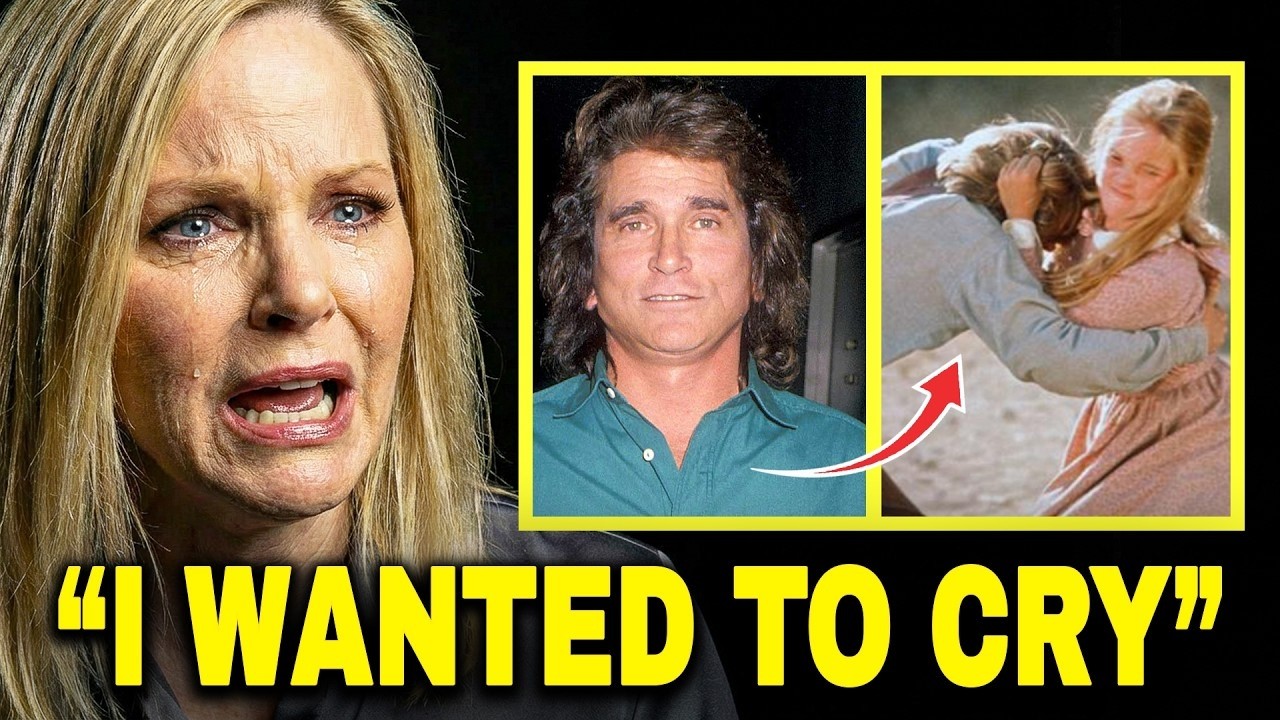
Producer Ed Friendly originally secured the rights and brought Landon into the project. Landon agreed to direct but only on the condition that he could also play Charles Ingalls. That decision put him at the center of the show’s creative direction. Friendly wanted a more faithful adaptation of the books, while Landon preferred a more flexible approach.
Eventually, Friendly stepped away, leaving Landon in full control. The pilot aired in 1974, and the series became a major success. Anderson was just 11 years old when she landed the role of Mary Ingalls. She had started acting almost by accident, beginning with commercials before moving into television.
Although Mary was not originally intended to be the central focus, Anderson’s performance shifted that. Her quiet intensity gave the character depth, and writers began assigning her heavier storylines. Mary’s arc became one of the most painful in the series, including losing her sight and enduring repeated tragedies. While the material showcased Anderson’s talent, it also placed a significant emotional burden on a young actress.
Over time, the character often cycled through hardship or faded into the background, and Anderson later admitted the pattern became exhausting. Her work did not go unnoticed. In 1978, she earned an Emmy nomination, the only one among the main cast. But her experience off-screen was not as smooth as the show’s comforting tone suggested.
The set was run with strict discipline under Landon’s direction. Everyone, especially the younger actors, was expected to be professional, prepared, and focused at all times. That structure kept production running efficiently, but it also created considerable pressure. Landon’s control extended across nearly every part of the show, and over time, that control led to friction.
Cast relationships did not always match the closeness they portrayed on screen. Melissa Gilbert developed a strong bond with Alison Arngrim, but her relationship with Anderson was distant. Gilbert later described Anderson as reserved and difficult to connect with, a view that others noticed as well. Anderson tended to keep to herself, which deepened the sense of separation on set.
Personal drama further complicated the working environment. Landon began a relationship with Cindy Clerico, a stand-in on the show, while still married to his wife, Lynn. When news of the affair became public, it affected the cast personally. Many had known Landon’s family, and the revelation changed how they saw him.
Gilbert, who had viewed Landon as a father figure, distanced herself. Others struggled to reconcile the man they worked with and the image he projected on screen, and the atmosphere on set grew heavier. Another significant tension came from Landon’s relationship with Karen Grassle, who played Caroline Ingalls. On screen, they portrayed a strong, united couple.
Off-screen, they disagreed over her compensation. Grassle pushed for better pay, believing her role as Caroline was central to the show. Landon disagreed and reportedly downplayed her importance. The dispute became personal, communication between them grew limited, and her screen time began to shrink.
Even after the contract issue was resolved, the strain remained, and she eventually left the series. Years later, Landon reached out to reconnect. They spoke and found a sense of closure before his death from pancreatic cancer in 1991. Anderson’s relationship with Landon was never explosive, but it was complicated.
She respected his talent and recognized the immense responsibility he carried. But there was also distance. Landon was not easy to approach, and his demanding nature created an environment that could feel isolating, especially for someone already reserved. The tension built quietly over time.
It was not about a single moment but the combination of pressure, expectations, and the emotional weight of her role. When her contract ended after seven seasons, she chose to leave, not out of anger but because she had reached her limit. After leaving the show, Anderson continued acting, taking on roles that contrasted sharply with Mary Ingalls. She appeared in films and television shows and explored different characters.
Eventually, she stepped back from the spotlight to focus on her personal life. In her memoir years later, she reflected honestly on her time on the series, acknowledging both good memories and difficult ones. Her view of Landon became more balanced with time, recognizing both his brilliance and his flaws. When he died in 1991, she attended his funeral, closing a chapter that had once been complicated.
The show’s ending also reflected its behind-the-scenes reality. In the final chapter, the town of Walnut Grove was destroyed, blown up by its own residents. The dramatic and unexpected scene had a practical reason: the set was dismantled to prevent reuse. In a way, it was symbolic, a peaceful world on the surface with a more complex story underneath.
Despite the difficulties, *Little House on the Prairie* remains one of television’s most beloved series. Its warmth, stories, and characters continue to resonate with audiences today. But behind that comfort was a reality filled with pressure, tension, and human complexity.


