Oscar Piastri’s stunning performance at the Japanese GP has sent shockwaves through the Formula 1 community, as he executed a remarkable start that highlighted a potential technical advantage for McLaren. While Mercedes struggles to adapt, McLaren appears poised to disrupt the established order in the sport.
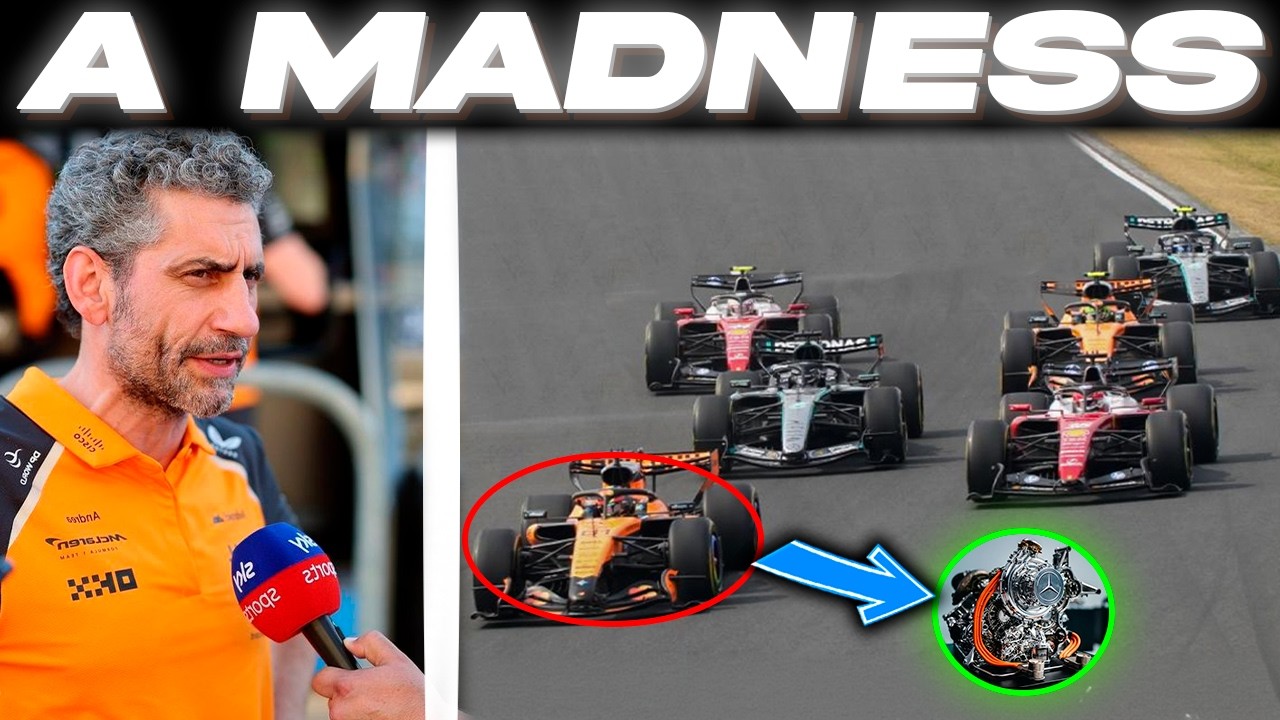
Piastri’s maneuver at Suzuka was not merely a flash of brilliance; it was the culmination of months of strategic preparation. He executed a flawless start from the dirty side of the grid, overtaking two competitors in mere seconds. This decisive action not only showcased his driving skill but also revealed McLaren’s hidden capabilities, prompting concerns within rival teams, particularly Mercedes.
The significance of this moment lies in the broader context of Formula 1’s evolving technical landscape. With the impending changes in regulations, teams must adapt their strategies to optimize energy management from the very first moments of the race. McLaren’s focus on this critical aspect has yielded a competitive edge that others are now scrambling to replicate.

Key to Piastri’s success was the MCL40’s shorter wheelbase, granting the car superior agility and responsiveness. This feature allowed him to capitalize on the initial acceleration phase, an area where Mercedes has historically excelled. However, the data indicates that while McLaren shines at the start, Mercedes maintains a more robust race pace.
The implications of Piastri’s performance extend beyond a single race. McLaren’s ability to gain positions early in the race could redefine their strategy, shifting the focus from merely maintaining speed to dominating the start. This shift in mentality could force teams like Mercedes to rethink their approach to qualifying and race execution.

As McLaren refines its strategy, the pressure mounts on Mercedes to respond effectively. The challenge for the German team is not just about making minor adjustments; it involves a fundamental shift in their car’s design philosophy. This is a significant hurdle, as they cannot overhaul their vehicle overnight.

Moreover, the competitive landscape is changing. McLaren’s newfound confidence and strategic focus could lead to a cascading effect, forcing other teams to adapt their tactics to counter this emerging threat. The first corner of each race is now a battleground where the stakes have never been higher.
In conclusion, Oscar Piastri’s performance in Japan represents more than just a standout moment; it signals a potential shift in power dynamics within Formula 1. If McLaren can build on this advantage and enhance their overall race pace, they may not just be a team to watch but a formidable contender for dominance in the future. The question now is whether this is merely the beginning of a new era for McLaren or a fleeting moment of success.