Oscar Piastri showcased remarkable skill and composure during the Japan GP at Suzuka, nearly clinching victory before a pivotal safety car altered the race’s dynamics. Though he ultimately finished second, his performance signals a potential turning point for both the driver and McLaren as they seek to regain competitiveness in Formula 1.
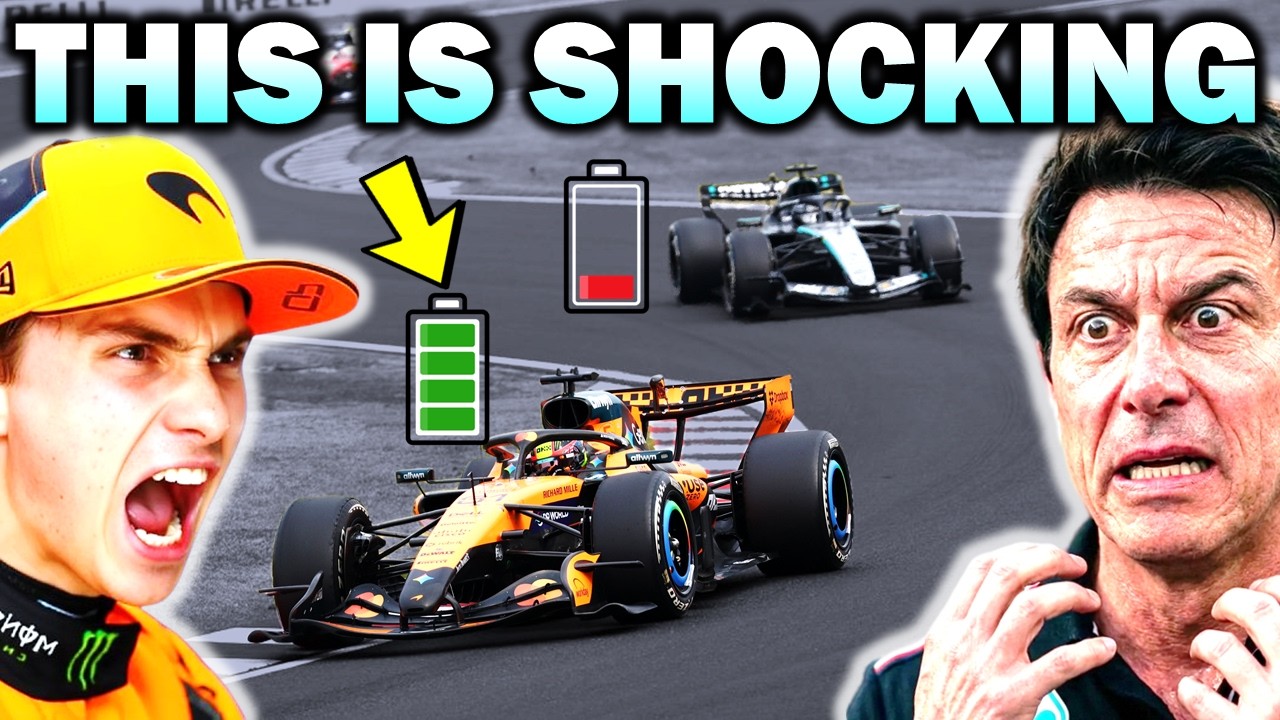
Piastri’s journey to this point has been tumultuous, with early season struggles limiting his track time to just 19 laps before arriving in Japan. Yet, at Suzuka, he demonstrated an impressive ability to adapt quickly, starting third and seizing the lead with a flawless launch. This assertiveness is particularly significant on a circuit known for its demanding layout, which often exposes driver weaknesses.
Throughout the race, Piastri not only maintained his position but also displayed strategic brilliance. His tire management was disciplined, and he expertly controlled the pace, keeping George Russell at bay despite the Mercedes driver’s superior speed. This level of racecraft is commendable for a driver in his rookie season.

The race dynamics shifted dramatically when a safety car was deployed following a crash. This incident allowed Andrea Kimi Antonelli, who had yet to pit, to take the lead after making a cheap stop. The timing of the safety car was unfortunate for Piastri, who had just completed his own pit stop moments earlier, leaving him with no chance to regain the lead.
Despite the setback, Piastri’s performance throughout the race was notable. He managed the new hybrid power unit systems intelligently, maximizing energy deployment while minimizing the risk of overdriving. Analysts highlighted his tactical approach, indicating that he was not merely defending but actively controlling the race’s rhythm.

McLaren’s team principal, Andrea Stella, expressed surprise at the competitiveness displayed by Piastri and the car. The result marked the first time this season that both McLaren drivers started and finished a race, underscoring a significant turnaround from earlier struggles.

Piastri himself acknowledged the importance of this race, calling it one of his best weekends in Formula 1. His confidence in managing the race and strategic use of the car’s capabilities suggests a maturity that bodes well for his future.
As the season progresses, the question looms: was Suzuka a one-off performance, or does it signal a resurgence for McLaren? With Piastri showing he can lead and defend against top competitors, the team may be on the brink of a new chapter.
Ultimately, the Japan GP could be a pivotal moment for both Oscar Piastri and McLaren. If they can replicate this performance and capitalize on future opportunities, the potential for victories looms large on the horizon.