Four-year-old Gus Lamont vanished mysteriously from a remote South Australian sheep station on September 27, 2025, igniting a sprawling, baffling investigation. Despite massive search efforts and intense scrutiny, no concrete evidence has surfaced, raising urgent questions about the family’s silence, conflicting timelines, and the eerie absence of Gus’s mother and younger brother.
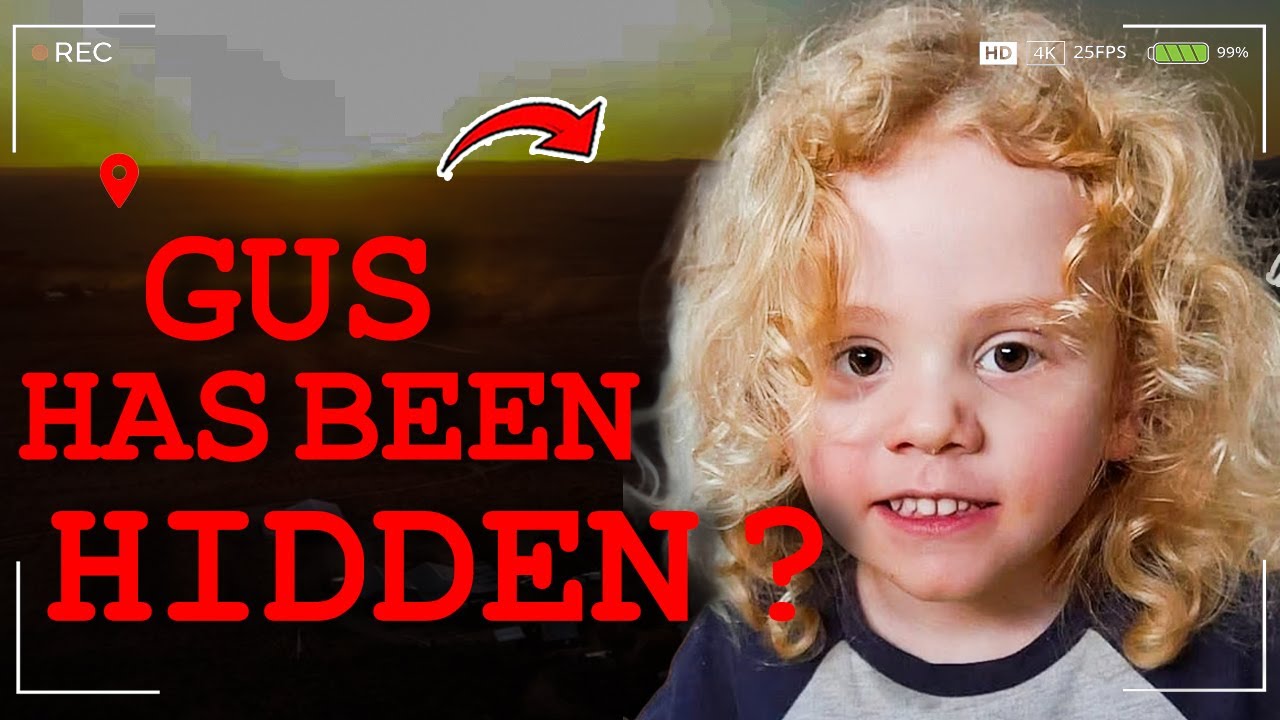 Gus was last seen playing on a dirt mound just outside Oak Park Station, a 60,000-hectare property isolated in South Australia’s unforgiving outback. His grandmother Shannon Murray spotted him at 5:00 p.m. before he disappeared within a narrow 30-minute window. The family’s later search efforts were frantic but fruitless, pushing into darkness and failing to yield any sign of the boy.
Authorities launched one of the largest search operations in South Australia’s history, involving police, emergency services, the Australian Defence Force, drones, and Aboriginal trackers. Despite combing vast tracts of harsh terrain, the expansive effort uncovered no footprints, clothing, or personal items, deepening the mystery surrounding Gus’s fate.
Complicating the case are conflicting family statements and troubling silences. Key family members, including Gus’s mother Jessica and baby brother Ronnie, have effectively disappeared from public view, with no confirmed sightings since Gus’s vanishing. Their absence raises specters of deeper intrafamily conflicts and possible undisclosed movements.
The family dynamics at Oak Park Station are fraught with tension and a strict patriarchal legacy. Since the death of the long-standing family patriarch in 2015, Josie Murray, a dominant family figure, has wielded control over the homestead. This environment has bred reported discord and isolation, factors now seen as crucial to understanding the unfolding tragedy.
Gus’s father, Joshua Lamont, was notably absent on the day Gus disappeared and only learned of the boy’s vanish hours later via police. Ostracized from the homestead due to clashes with Josie, Joshua’s detachment underscores the fractured family ties that may be key to unraveling the case.
The timing of Gus’s reported disappearance raises further questions. The incident coincided with the AFL Grand Final, an event that may have distracted authorities and the public alike, potentially delaying broader response. Moreover, the three-hour delay before police were contacted is uncharacteristic in urgent missing-child cases.
Physical evidence from the scene defies logic. Fresh dirt where Gus was last seen showed no distinctive footprints, scuffs, or traces consistent with a child’s play, which experts find highly unusual. Private investigators suggest Gus may never have been at the mound at the reported time, challenging the official narrative.
Beyond the homestead, the searchers discovered a lone footprint near a dam 600 meters away, but it was inconclusive and surrounded by sheep droppings. This isolated clue contrasts sharply with the complete lack of evidence closer to the home, fueling theories that Gus’s disappearance might have involved transport away from the immediate area.
The case’s complexity deepened when a separate disappearance unfolded nearby. Benjamin, a man in his 40s, was last seen erratically driving on September 26, just a day before Gus vanished. His abandoned vehicle was found in thick bush, with footprints trailing into the wilderness — a bizarre parallel that has sparked intense speculation, though authorities deny any connection.

Investigators continue to sift through emerging leads and contradictory timelines while managing public frustration over slow progress. Police have shifted the case to the major crime investigation branch, indicating silent consideration of foul play despite no public evidence. This pivot suggests deeper inquiries beyond a simple missing child theory.
Media scrutiny has intensified, but the Lamont-Murray family remains highly private and occasionally confrontational toward reporters. An October 30 incident saw Josie Murray brandishing a shotgun at journalists, reflecting the tense and protective atmosphere surrounding Oak Park Station. Such episodes only add to the aura of secrecy and unrest.
Jessica Murray’s total absence from public appeals is particularly striking. Mothers in high-profile missing child cases typically seek visibility to garner support, yet Jessica has neither appeared publicly nor issued direct communications beyond brief family statements through intermediaries. This gap fuels unrelenting questions about her role or knowledge.
Community responses have been muted and cautious due to the property’s remote geography and volatile family dynamics. Locals rarely entered the homestead’s domain, limiting eyewitnesses and external intervention. Reports suggest mental health struggles within the family, with caretakers often attempting to shield the children by indulgence rather than oversight.
Search efforts have been repeatedly hindered by weather extremes including high winds, blistering heat, and treacherous terrain, complicating aerial and ground operations. Despite these obstacles, teams remain determined, resuming searches as recently as late October and early November, bolstered by specialized task forces and increased Defence Force involvement.
A notable aspect has been the absence of public mobilization or neighborhood assistance on the day Gus went missing, unlike other rural disappearances where immediate community outreach is common. The family’s handling of the crisis internally without alerting neighbors or authorities sooner intensifies the case’s opacity.
Psychological experts warn that the isolated outback environment, coupled with fractured family relationships and minimal oversight, creates a perilous setting for vulnerable children. Gus’s isolation, devoid of regular paternal presence and compounded by his mother’s retreat, suggests systemic failures in safeguarding and welfare monitoring prior to his disappearance.
Theories about Gus’s fate range from accidental wandering to deliberate removal, possibly by someone within the family or an unknown party. The absence of evidence for him leaving the homestead on his own and the suspicious delay in publicizing his disappearance underscore the unresolved contradictions investigators grapple with.

Authorities have debunked circulating misinformation, including 𝓿𝒾𝓇𝒶𝓁 fabricated images purporting to show Gus in captivity, emphasizing reliance on verified timelines and facts. Despite the swirling rumors, official sources maintain focus on procedural thoroughness and caution against unsubstantiated claims that could derail investigative efforts.
Legal scrutiny over firearms possession at the homestead, notably Josie Murray’s use of a pump-action shotgun on the property, has arisen. Such actions violate protections for local wildlife and exemplify the family’s autonomous governance style, hinting at an embedded culture of disregard for rules that may hinder external investigation.
Despite conflicting narratives and a lack of breakthroughs, police assert the investigation remains active and comprehensive. Reviews of search operations praise their scale without fault but recommend procedural enhancements, suggesting an ongoing commitment to uncovering new evidence as technology and conditions improve.
Public engagement continues through podcasts, articles, and commentary exposing the case’s unresolved tensions and eerie parallels with other South Australian mysteries. Yet the veil of silence from key family members hampers progress, leaving many wondering if crucial truths remain deliberately concealed within Oak Park Station’s shadowed confines.
This disturbing saga has transformed into a broader enquiry about systemic isolation, family opacity, and the challenges rural authorities face when secrets abound and official timelines break down. Gus Lamont’s vanishing not only unsettles a community but highlights the fragility of children trapped in complex family power struggles.
Most hauntingly, nearly two months after Gus disappeared, the boy remains unaccounted for, with no confirmed sightings or discoveries. Authorities caution survival chances diminish rapidly in the harsh outback, but renewed search efforts aim to exploit every possible lead in pursuit of answers and closure.
With simultaneous ongoing investigations into Benjamin’s case and potential intersects, experts advise vigilance and a cautious examination of all angles to avoid overlooking key connections or misinterpreting circumstantial overlaps. This layered mystery commands sustained attention from law enforcement and the public alike.
As winter deepens in South Australia, the unforgiving environment only magnifies the difficulties in locating Gus or determining what truly transpired at Oak Park Station. The family’s guardedness, combined with the physical and psychological terrain, continues to stall resolution, maintaining national focus on this enigmatic disappearance.

The South Australia Police Missing Persons Unit maintains its appeal for public assistance, encouraging anyone with information about Gus, Jessica, Ronnie, or Benjamin to come forward immediately. The case remains open, fluid, and one of the most perplexing child disappearances in recent memory.
Every detail, from family inheritance disputes to Josie Murray’s aggressive defense of the homestead, weaves into a complex tapestry of control, silence, and suspicion. The potential for foul play is neither confirmed nor ruled out, leaving investigators poised to act swiftly should new evidence emerge.
Friends of Joshua Lamont voice concern over his mental health amid the unfolding crisis, highlighting the immense emotional toll on family members 𝒄𝒂𝓊𝓰𝒉𝓉 in a swirl of grief and secrecy. His remote presence during the disappearance is emblematic of fractured family bonds complicating efforts toward unity and understanding.
The lack of official appeals by key family members contrasts starkly with the profound public empathy and growing community unease. Media outlets spotlight this absence, increasing pressure for transparency and potentially setting the stage for future disclosures or sudden developments.
As the investigation extends with no closure in sight, authorities and private investigators alike stress the importance of revisiting overlooked details, re-evaluating the family’s interactions, and employing indigenous trackers experienced in the outback’s nuances to trace any elusive clues.
The story of Gus Lamont underscores an urgent need to scrutinize isolated family environments where generational authority can mask vulnerability. It calls into question protocols for child welfare in remote regions and the readiness of law enforcement to challenge entrenched power when children’s safety is at stake.
With every day that passes without answers, public frustration mounts, but hope persists. Advances in search technology and persistent community support fuel efforts to crack this case. The shadow hanging over Oak Park Station remains long, yet the determination to find Gus continues unwavering.
This true crime mystery remains one of Australia’s most haunting puzzles. As new details trickle in, journalists, experts, and investigators strive to piece together the fragments of Gus Lamont’s disappearance, demanding truth amid layers of silence, secrecy, and suspicion.
For now, the search endures, the questions multiply, and the outback holds its breath in this ongoing hunt for a lost boy, a fractured family, and the elusive story they fight so fiercely to keep hidden.