Ferrari has sent shockwaves through the Formula 1 paddock by unveiling a bold new strategy during its recent tests in Maranello. The Scuderia is not merely refining its existing car but is laying the groundwork for a technical revolution that could redefine the competitive landscape from the very first race of the season.
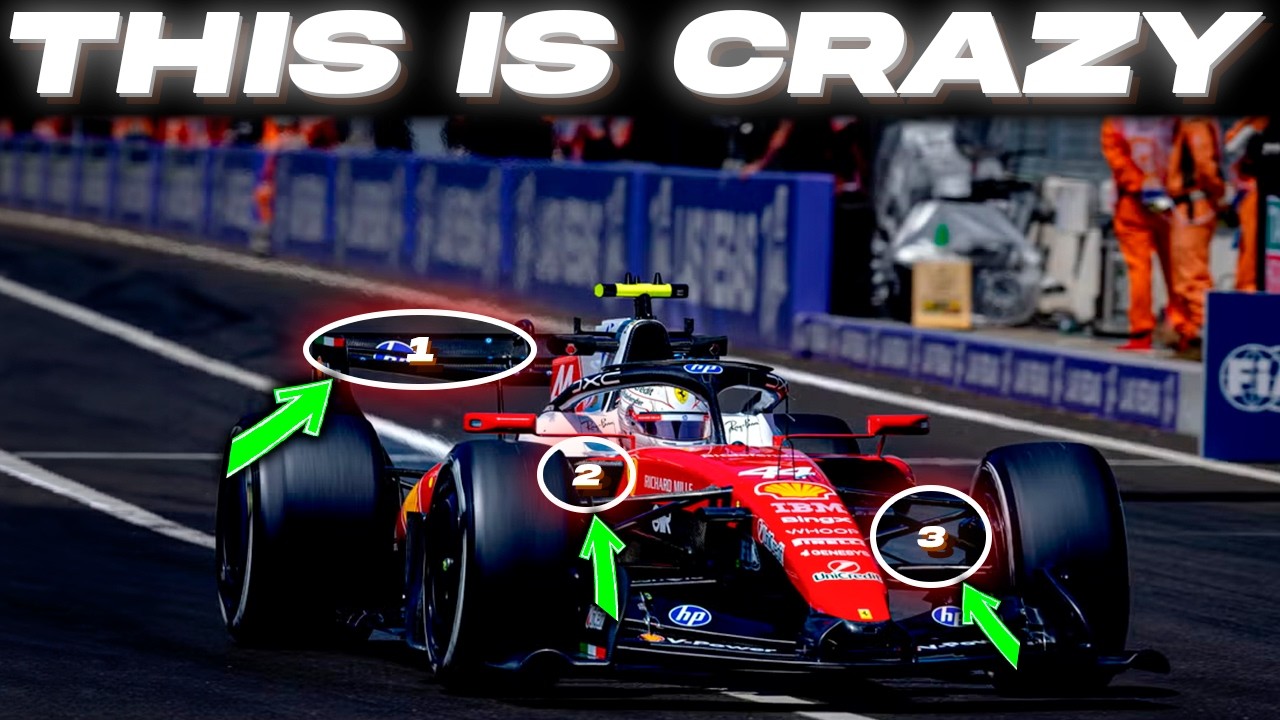
In a season where many teams are still grappling with the implications of new regulations, Ferrari has taken a decisive step forward. Instead of merely validating configurations, the team is utilizing its testing sessions as a “war laboratory,” pushing the boundaries of innovation and performance. This proactive approach signifies a shift in mentality, moving away from past tendencies of starting strong only to falter as the season progresses.
Ferrari’s SF26 is not just an evolution; it represents a fundamental change in how the team conceptualizes its car. The focus is on establishing a robust foundation that allows for significant development throughout the season. This strategy positions Ferrari to adapt and grow, potentially leaving its rivals scrambling to catch up.
The team’s aggressive pursuit of technical excellence is evident in its power unit advancements and aerodynamic concepts, which aim to maximize every detail of the regulations. By exploring uncharted paths, Ferrari is not merely reacting to competitors; it is setting the pace and forcing others to adapt.

Data collection is another critical aspect of Ferrari’s strategy. Each test run is meticulously analyzed to enhance understanding of the car’s performance. This depth of insight will enable Ferrari to react swiftly to challenges once the season begins, a crucial advantage in a sport where milliseconds matter.
Ferrari’s approach sends a clear message: while others are still searching for their identity, the Scuderia has a structured and aggressive plan. This proactive stance positions Ferrari as a formidable force, compelling its competitors to rethink their strategies in response to the new benchmark being set.
The implications of Ferrari’s innovations extend beyond immediate performance. The team is not only focused on speed but is also developing a car that is adaptable and capable of thriving under varying conditions. This adaptability could prove decisive in a championship where versatility is paramount.

Dynamic aerodynamics, a concept Ferrari is testing, could provide an edge by allowing the car to adjust its performance based on race conditions. If successful, this innovation could enhance Ferrari’s competitiveness across different tracks and race phases.
Ferrari’s testing philosophy is noteworthy. Rather than chasing fast lap times, the team is pushing the limits of its car to understand its performance ceiling. This willingness to explore extreme configurations, even at the risk of controlled failures, indicates a commitment to long-term success rather than short-term gains.

As the 2026 regulations loom, Ferrari appears to have a clearer vision of the future than its rivals. By anticipating the shift toward greater reliance on electrical components, the team is preparing solutions that could be advantageous throughout the championship.
The narrative surrounding Ferrari is evolving. What began as a series of tests now represents a declaration of intent. The Scuderia is not just aiming to compete; it seeks to redefine the standards of excellence in Formula 1.
If Ferrari successfully translates its innovations from the test track to race day, it will not merely challenge for podiums but could dominate the season. The groundwork laid in Maranello could become a pivotal moment in the sport’s history, forcing competitors to rethink their approaches.
Ultimately, Ferrari’s renewed focus on understanding and evolving its car positions it as a potential leader in the new era of Formula 1. The real question is whether other teams can catch up to the advancements being made in Maranello, and if they cannot, the implications for the championship could be profound. The stage is set for a thrilling season, and Ferrari is poised to lead the charge.