When Colonel Henry Blake’s plane was shot down over the Sea of Japan, the laughter stopped. There was no music, no heroic farewell—just Radar’s quiet, stunned report that there were no survivors. The scene stunned audiences, but the shock that followed the Season 3 finale of MASH was no accident. It was a deliberate writing choice, triggered by an actor who wanted more than the show could give him.
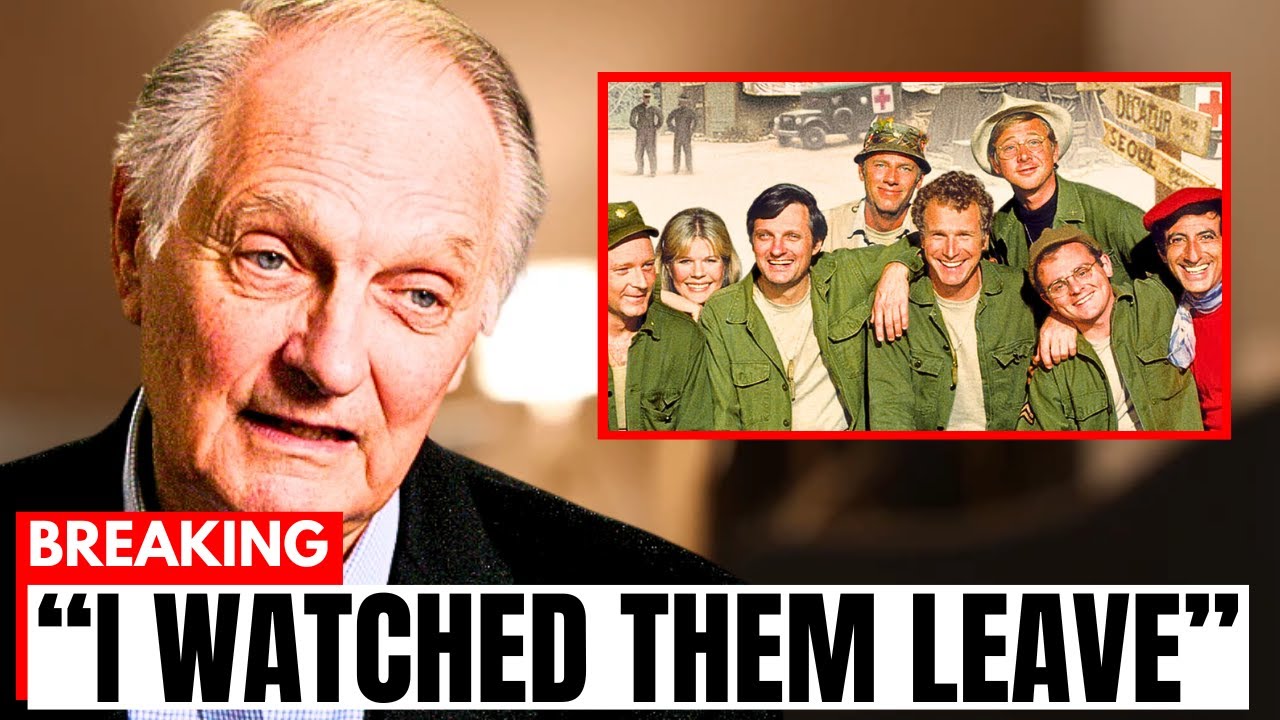
McLean Stevenson, who played the frazzled, kind-hearted Lieutenant Colonel, had grown restless. As the series shifted from an ensemble comedy into a show centered on Alan Alda’s Hawkeye, Stevenson felt his role shrinking. He said as much in interviews, openly wishing to be number one on a show of his own. Producers had a choice: let him go quietly, or use his departure to remind viewers that MASH was, at its core, a war story.
They chose the latter, and the result rewrote sitcom history. The goodbye party Henry received was joyful, but the writers crushed the celebration with Radar’s grim delivery: “Henry’s plane was shot down. No survivors. ” The network objected, fearing the character could be used in a spinoff, but the show stood firm.
Thousands of angry and heartbroken letters poured in after the episode aired. Stevenson moved to NBC as a headliner, but his spinoffs fizzled. Years later, he admitted he had “taken himself out of the game. ” The irony was sharp: the role he left became his lasting legacy, and his exit gave MASH a haunting honesty it would carry for the rest of its run.
But as the camp mourned its commander, another key figure was about to slip away without even a proper farewell. Wayne Rogers, who played Trapper John, had signed on expecting a true ensemble. At the start, Trapper was Hawkeye’s equal—two sharp minds, one wild spirit, and a friendship viewers loved. But as Alda took on more writing and directing duties, Hawkeye became the moral center, and Trapper’s scenes flattened.
Rogers later said it wasn’t jealousy; it was about story integrity. Trapper had become the guy who nodded while Hawkeye grew. There was also a legal twist. Rogers had never signed a formal contract.
When he chose not to return after Season 3, threats of a lawsuit faded because there was nothing to break. The show scrambled to fill the gap. There was no goodbye party, no final scene—just a single line in Season 4 explaining that Trapper had been discharged off-screen. Fans were rattled.
First Henry is killed, then Trapper vanishes without a word. To fill the void, producers introduced Mike Farrell as B. J. Hunnicutt, a softer, steadier counterweight who opened the show to deeper emotional arcs.
The buddy-comedy energy shifted into something richer: friendship, family stakes, and long-distance love. Rogers pivoted successfully, building a second career in finance as a savvy investor and TV commentator. He and Alda stayed friendly, and when Rogers died, Alda publicly praised his mind and spirit. Another core presence was quietly breaking under the weight of fame.
Gary Burghoff, who played Radar O’Reilly, was the show’s heartbeat—the kid with the teddy bear who could hear choppers before anyone else. On the surface, he carried innocence. Underneath, the job carried him to the edge. Burghoff battled anxiety and depression, a truth that rarely made headlines at the time.
The grind of production collided with his personal life. A young family at home missed milestones while he pulled long hours under bright lights. His negotiations for better pay and fewer appearances, producers said, were not just about money—they were about breathing room. They tried to meet him halfway because Radar mattered, but the emotional math kept failing.
The job asked more than he could keep giving. When he left in Season 8, MASH gave him a farewell as tender as the character himself. Radar returns to a camp falling apart without him, tries to fix everything like always, then learns to let go. He leaves his teddy bear on Hawkeye’s bunk, a symbol that innocence does not survive war—or fame—unchanged.
Burghoff later said he left for two reasons: family and burnout. Then there was Frank Burns. Larry Linville’s portrayal of the petty, rigid, jealous surgeon was deliciously awful in the early years—a perfect punchline and pressure valve. But as MASH matured, one-note cruelty began to clash with layered humanity.
Hawkeye and B. J. wrestled with ethics. Margaret found her voice.
Frank stayed stuck, and Linville knew it. By the end of Season 5, he chose not to renew, saying he had taken Frank as far as he could. It wasn’t a firing; it was a clear-eyed call about story growth. The series wrote Burns out with a cushy promotion, a wink at his mediocrity.
In his place came David Ogden Stiers as Charles Emerson Winchester III—cultured, arrogant, skilled, and complicated. Winchester wasn’t cruel; he was proud. Suddenly, the show didn’t need slapstick hostility. It had ethical duels, class clashes, and quiet moments like Winchester teaching P.
A. s Mozart. Linville moved on to steady work but never found a role as visible again. Still, his choice helped MASH level up.
Without Frank, the show embraced irony over mockery and hard questions over easy targets. Pull the camera back, and the pattern is clear. Stevenson left to lead his own show; the writers answered with a death that said war takes. Rogers left over creative focus; producers responded with B.
J. , proving friendship could be tender and complex. Linville left because flat villains break great dramas; Winchester arrived to challenge the camp with intellect instead of tantrums. Burghoff left to save his life off-screen; MASH honored him with a goodbye that respected his heart.
Alan Alda’s increasing creative role deepened the series and, yes, rebalanced the spotlight. Loretta Swit pushed Margaret from joke to leader, staying all 11 seasons and proving the show could grow women’s roles with dignity. David Ogden Stiers declined an AfterMASH spinoff because Winchester’s arc felt complete—closure over cash. One quiet footnote says a lot: the pilot’s original Father Mulcahy, George Morgan, was replaced by William Christopher.
A small early exit that hinted at a production always tuning its characters for truth. In the end, these departures were not random storms. They were pressure points where ambition, exhaustion, contracts, and artistic vision collided. Sometimes the actors misjudged the aftermath.
Sometimes the show found a better path because they left. Either way, MASH kept its mission: use laughter to carry pain and let change tell the truth.