For more than two decades, the cast of *Mrs. Brown’s Boys* presented the image of a close-knit family both on and off the screen. But behind the laughter and high ratings, a series of exits revealed deep fractures in the show’s cheerful facade. Cast members who helped build the sitcom’s success disappeared without warning, leaving fans to wonder what really went wrong behind the scenes.
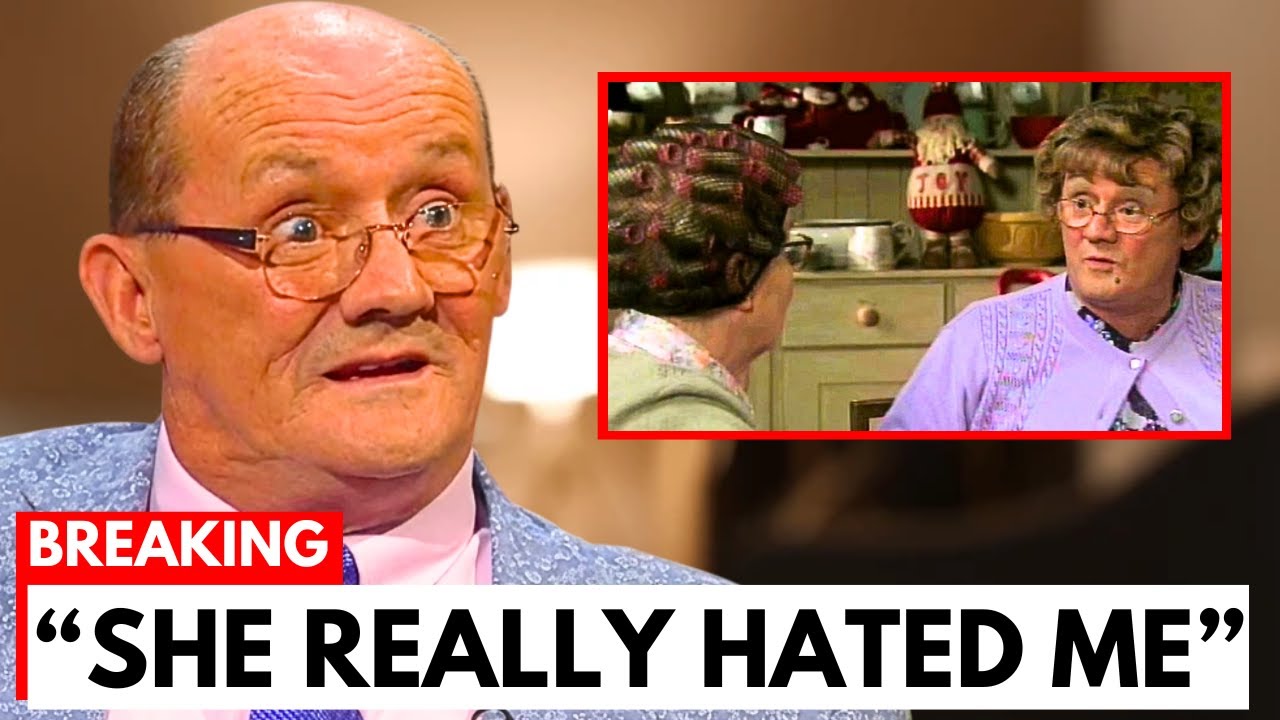
The most jarring departure came from Gary Hollywood, who had played Dino Doyle for over 20 years. In 2020, fans noticed his sudden absence with no storyline explanation, no farewell episode, and no mention of his exit at all. When Gary finally spoke out, he claimed he had discovered a major pay gap between himself and other cast members, particularly those close to creator Brendan O’Carroll, who not only starred in the show but also controlled its finances and production. Gary said that shortly after raising the issue, his role in the upcoming Christmas specials was cut back.
In follow-up interviews, Gary hinted at deeper frustrations, suggesting favoritism and a lack of transparency behind the scenes. He refused to launch a full attack on the show or its creator, choosing his words carefully. “We didn’t part on the best of terms,” he said, while stopping short of detailing the conflict. The absence of an on-screen send-off for his character made the split feel even more personal to devoted viewers.
Just months after Gary’s explosive exit, another cast member was quietly removed. Damian McKiernan, who had taken over the role of Rory Brown from original actor Rory Cowan, vanished without any public announcement. Stepping into such an established role was a challenge, and Damian approached it with quiet determination, making the character his own while respecting the show’s comedic tone. Yet within months, he was gone, with no interviews and no explanation.
He later revealed that the exit was not his choice, learning that he was being written out with no recognition for his work during a difficult transition period. Before those exits, another departure had already raised questions. Rory Cowan, who played Rory Brown for more than two decades, left the show in 2017. He admitted that he felt too old to continue performing and too drained to keep pretending everything was fine.
“I’m too old to play it now because times have changed,” he said in interviews. His departure, though quieter than what followed, hinted at the emotional fatigue behind the comedy. Insiders described a set where power and proximity were tightly linked. The show was built as a family-run enterprise, with Brendan O’Carroll as creator, writer, star, and ultimate decision maker.
Over the years, some longtime performers grew to feel overlooked, receiving fewer lines, less screen time, and reportedly lower pay. What began as a working-class comedy beloved for its charm turned into what some described as a controlled empire where loyalty was tied to access. The exit of Gary Hollywood was the most public sign of these tensions. He had been part of the core ensemble for over 20 years, but his disappearance came with no on-screen farewell.
For fans who loved the show for its warmth and humor, the silence felt like a betrayal. The contrast between the show’s on-screen family dynamic and its off-screen reality became increasingly difficult to ignore. Following Gary’s exit, his on-screen mother, Fiona O’Carroll, and her then-husband Martin Delaney, who played Trevor, also faced scrutiny. The couple’s divorce around the same period further splintered the cast’s image of togetherness.
Behind the bloopers and laughter, the bonds that once made the cast feel like a real family were fraying. While Gary’s departure made headlines and exposed cracks in the show’s cheerful image, Damian’s exit came with only silence. He had carried on a legacy role, kept the show afloat during a major transition, and then vanished without any public recognition. Unlike Gary, he did not speak to the press at the time.
For a show that built its brand on being one big happy family, the quiet, solitary exits told a very different story. What once felt like a genuine on-screen family had become a collection of people navigating public scrutiny, private drama, and professional distance. Fans who grew up watching the chaos and laughter were left with lingering questions about what truly happened behind the scenes. The show’s legacy, built on jokes and heartwarming moments, was increasingly complicated by the stories its cast members carried with them after leaving.
Some departures were loud, exposing pay disputes and feelings of betrayal. Others slipped away without a trace, leaving fans to piece together what went wrong. But across all of them, a pattern emerged: behind the family-friendly facade, the show was sustained by power struggles, uneven pay, and unspoken rules about who belonged and who did not. For those who watched the show, the exits were more than just behind-the-scenes gossip.
They revealed a deeper truth about the cost of fame and the pressure of sustaining a long-running comedy. The laughter may have continued on screen, but off it, the bonds that once held the cast together were quietly coming apart.