The roar was not a sound but a physical force, a violent shove that threw Ron DiFrancesco from his chair and sent the ceiling of the 84th floor crashing down around him. In the trading room of EUR Brokers, the morning’s routine of numbers and client calls had been obliterated in a fraction of a second. Just moments earlier, he and his colleagues had watched a fireball consume the North Tower, a sight of surreal, horrifying distance.
Now, the second plane had arrived, and the South Tower was dying around them. The impact zone was below them, a chasm of fire and jet fuel that turned the sky outside their windows into an inferno, and the air inside into a toxic, choking cloud. There was no time to process the scale of the catastrophe; there was only the primal, screaming instinct to move, to find a way down, to escape the steel and glass tomb that was beginning to groan with the weight of its own destruction.
 DiFrancesco, a Canadian-born money market broker who had moved his family to New Jersey just a year prior, had felt the energy of the World Trade Center that morning as he always did. The 5:42 AM train from his town, the transfer to the PATH train, and the surge of commuters flooding into the complex was a daily ritual that energized him. He had been at his desk for a couple of hours, deep in the flow of the 24-hour global market, when the first plane struck the North Tower.
Like many inside the South Tower, he was told it was a tragic accident, a light aircraft that had gone off course. The public address system echoed the sentiment, urging everyone to remain calm and return to their desks. He did.
He took calls from clients and family, all while a growing unease began to creep into the room as colleagues who had lived through the 1993 bombing started to leave. It was a friend’s frantic call from Canada, a trader yelling at him to get out, that finally spurred him into action. He grabbed a colleague, and they were heading for the stairwell when the world exploded.
The second plane, United Airlines Flight 175, sliced through the building’s south face, its right wing carving directly through the trading floor he had just left. The force of the impact threw him and his colleague, Mike, to the ground. Picking themselves up from the debris, they joined a stream of dazed survivors moving toward the stairwell.
The elevator banks were dead, so the stairs were the only option. They began their descent, but two flights down, they were met by a grim sight: two men carrying a heavy-set woman, their faces etched with fear. They delivered the devastating news that the path below was impassable, blocked by smoke and fire.
With the way down cut off, the group reversed course, climbing upward. They tried every floor, but all were locked from the inside for security. Panic began to set in as they reached the 91st floor, realizing they were trapped in a burning skyscraper with no way out.
The decision was made to head back down, to try to push through the smoke that was now billowing up the stairwell.
The air was thick and hot, a suffocating blanket that made every breath a struggle. People were lying on the floor, trying to find cleaner air beneath the rising smoke, their bodies beginning to succumb to the toxic fumes. DiFrancesco felt his consciousness starting to fade, a heavy drowsiness pulling him toward a dark, quiet end.
 He was drifting off, ready to let go, when he heard a voice. It was clear, distinct, and commanding, calling his name and telling him to come this way. He cannot say with certainty whether it was divine intervention or his own adrenaline-fueled psyche, but he obeyed.
He got up and moved toward the flame and the thick smoke, pushing against a wall that, to his astonishment, revealed a hidden staircase leading down. He slid down into the void and found himself on a flight of stairs that was on fire. With adrenaline surging through his veins, he ran through the flames, not even feeling the skin on his arms and body beginning to blister and burn.
He ran and ran, a desperate, relentless sprint down dozens of flights. He passed three firefighters coming up, who told him to keep going, to get help below. He burst out of the stairwell at the ground level, his lungs burning, his body scorched, only to be stopped by a security guard who refused to let him exit into the courtyard.
Debris and bodies were falling from the sky, and it was too dangerous to go outside. She directed him down into the PATH system, a subterranean passageway that would lead him to the Church Street exit. As he walked through the underground corridor, he came across a colleague, a sweet, jovial man named John.
They walked together, a fragile moment of relief in the chaos, until a deafening explosion shook the earth. DiFrancesco looked to his right and saw a massive fireball hurtling toward them. He yelled at John to run as the building above them began to implode.
He ran with every ounce of strength he had left, but the force of the collapsing tower caught him, knocking him to the ground and rendering him unconscious.
He woke up three days later in St. Vincent’s Hospital, a short distance from the smoldering ruins of the World Trade Center. He had no memory of the towers falling.
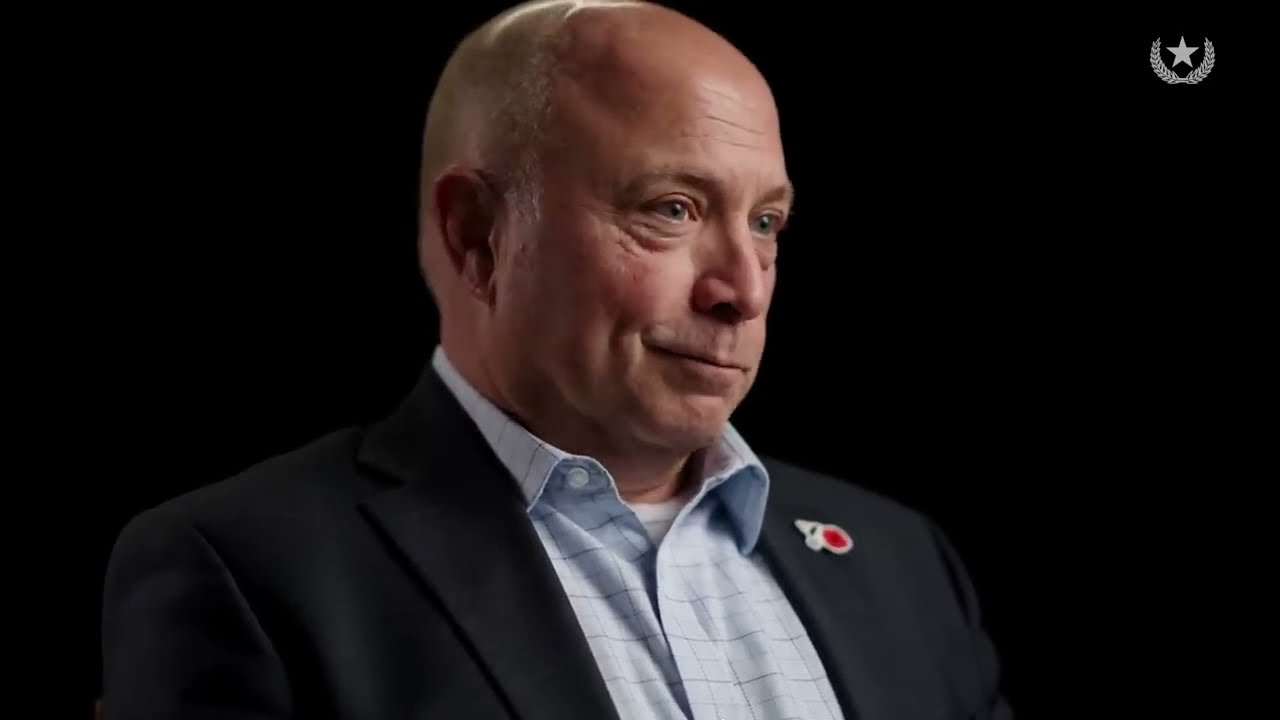 He didn’t even know they had come down. His wife, who had been frantic with worry, shielded him from the full scope of the tragedy for over a week. The extent of his injuries was severe: burns covering 60% of his body, a major laceration on the back of his head, and contact lenses that had melted onto his eyes.
He spent 12 days in the hospital, agitated and desperate to leave the city. When he finally learned the truth, that both towers had collapsed and that 61 of his colleagues were dead, a profound and crushing blankness settled over him. For years, he existed in a fog, detached from his wife and four young children, who were left to navigate the trauma on their own.
His wife bore the brunt of the burden, holding the family together while he remained emotionally absent, grappling with a survivor’s guilt that would never fully subside.
He returned to work part-time in March and full-time in April, but the psychological toll was immense. His children would sit by the window every night, terrified that he wouldn’t come home. With the anthrax scares that followed the attacks, the fear became too much.
He told his wife to take her passport and the kids’ passports, and he would take his into the city. If anything happened, she was to take the children and go back to Canada. It was no way to live.
In the summer of 2002, they uprooted their lives and moved back to Canada, leaving behind the home and the life they had begun to build in New Jersey. The move was a necessary escape from the constant reminders and the pervasive anxiety that had taken root in their family. It was only through the gentle prodding of others, people who told him his story was one of hope and that he needed to share it, that he slowly began to emerge from the darkness.
He still carries the weight of that day, the images of people jumping from the windows, the panic in their eyes, and the guilt of surviving when so many others did not.
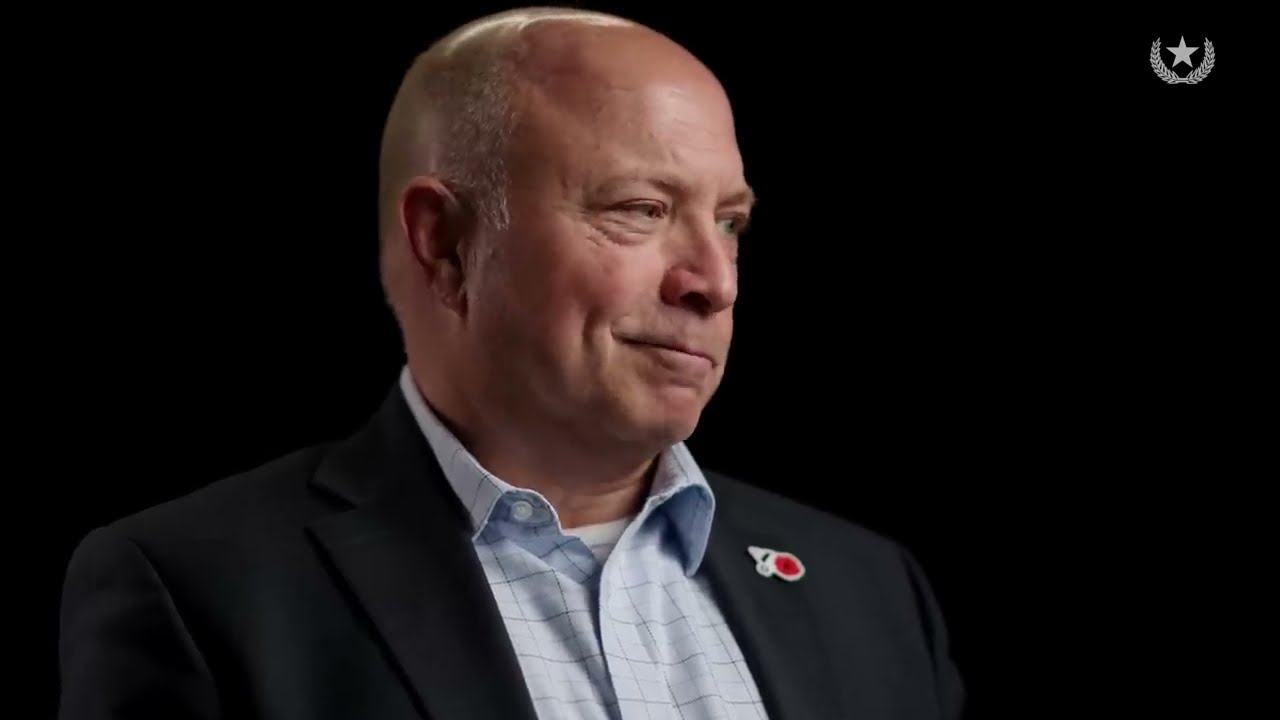 He is often referred to as the last known survivor to escape the South Tower before its collapse. He never sought the title, and he doesn’t know who gave it to him. He knows that four people above the impact zone managed to get out.
Two were his colleagues, who escaped physically unscathed, and another was the man they had tried to help, Stanley. He almost didn’t make it. For a long time, he didn’t want people to see him.
He didn’t want to face the spouses of his dead colleagues, to see the questions in their eyes: Was my husband scared? Did my wife suffer? He still reaches out to them every September 11th, a painful ritual of remembrance and connection.
He never works on the anniversary. He takes the day for himself, to reflect and to give gratitude. He goes back to New York every year, and every fifth year, he spends the weekend there with his wife, walking the memorial grounds and paying his respects to the friends he lost.
When asked what he wants people to know about that day, he speaks of the panic in people’s eyes, the frantic gestures for help from the upper floors of the North Tower, the sheer, overwhelming terror of being trapped in a burning building. He wants people to understand that the horror was not just in the collapse, but in the minutes and hours before, in the desperate choices people were forced to make. He reflects on his own story, often deflecting the praise he receives.
He insists that his wife had it harder than he did. He was out of it for days, weeks, and months, a blank slate while she was left to watch the news, attend funerals, and grieve for colleagues and friends. She had to be the strong one, the anchor for their children, while he was lost in his own trauma.
He gets the accolades, he says, but he knows the journey was far harder on her. The story of Ron DiFrancesco is not just a tale of one man’s miraculous escape from the 84th floor of the South Tower. It is a testament to the human will to survive, the enduring power of family, and the invisible, heavy scars carried by those who lived through the worst terrorist attack on American soil.
It is a story of luck, of a voice in the darkness, and of a life forever divided into the time before the fireball and the long, slow recovery after it.