Breaking: For the first time in 32 years, both Tiger Woods and Phil Mickelson will miss the Masters Tournament. Woods, battling chronic pain and legal troubles following a recent DUI arrest, and Mickelson, stepping away due to a private family health issue, shake the very foundation of professional golf’s most iconic event.
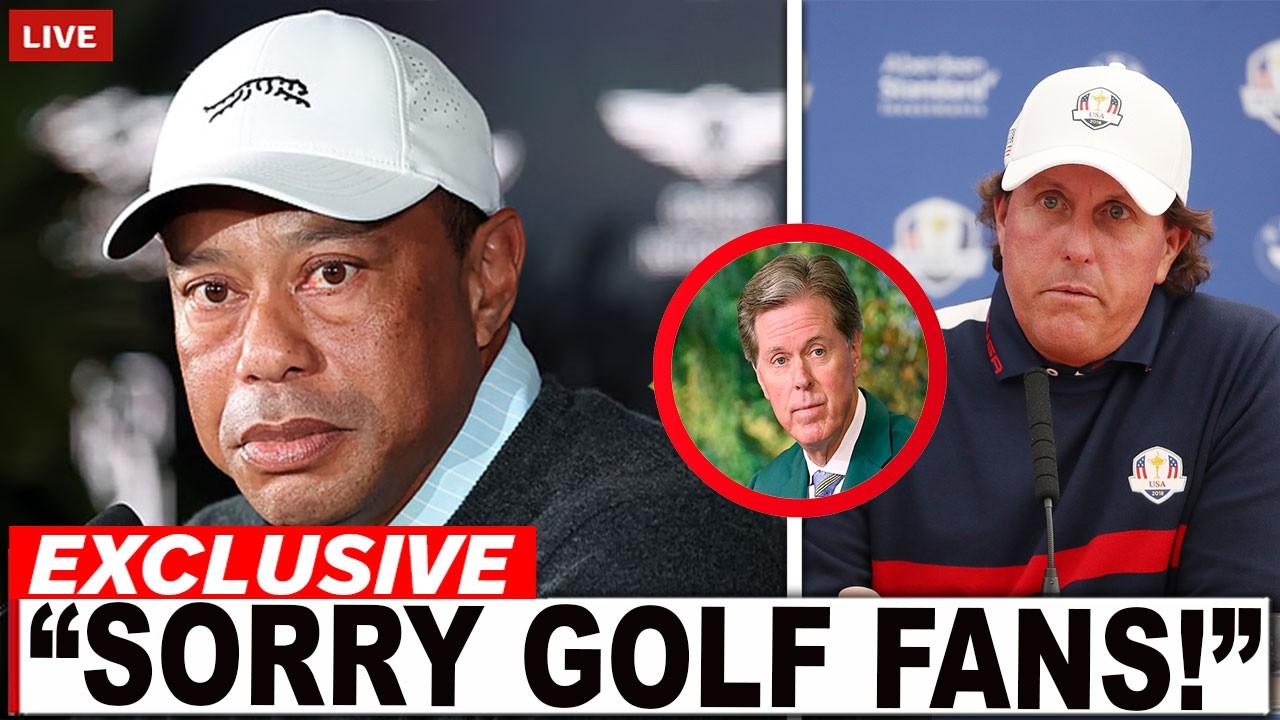 Augusta National is five days from opening its gates, and the Masters is gearing up for what should be another thrilling spectacle. Yet the atmosphere is charged with an unprecedented absence. Tiger Woods, a five-time Masters champion, and Phil Mickelson, a stalwart of the game, will not grace the greens this year.
Tiger Woods’s story dominates headlines. Just weeks after showing signs of a tentative return via the TGL simulator golf league, Woods was arrested after a single-vehicle crash in Florida. No alcohol was detected, but his behavior led to charges including DUI and refusal to submit to testing.
The arrest affidavit revealed Woods had two hydrocodone pills and confessed to taking prescription medication. This stark image of the golfing legend, who has endured seven back surgeries and chronic pain management struggles, underscores the harsh realities athletes face as their bodies deteriorate.
Video footage captured the scene: Woods wrapped in a survival blanket, his Land Rover flipped on its side, firefighters extracting his golf clubs through a broken window. The visuals struck a chord worldwide, a haunting symbol of a career marked by triumph and tragedy.
In a subsequent statement, Woods acknowledged the gravity of his situation. “I’m stepping away for a period of time to seek treatment and focus on my health,” he said, signaling a hiatus just days before one of the sport’s most important tournaments.
Augusta National’s chairman, Fred Ridley, offered measured support, emphasizing that Woods’s presence will be felt despite his absence, a testament to the golfer’s monumental impact on the sport. But the reality remains: Tiger Woods, the symbolic North Star of golf, will not tee off.

Less than two days after Woods’s announcement, Phil Mickelson disclosed his withdrawal. Citing an extended absence to address a “personal health matter” within his family, Mickelson’s statement was brief but significant. No further details were given, only the silence that speaks volumes in professional sports.
Mickelson’s withdrawal marks the first Masters without either Woods or Mickelson since 1994. Their absence leaves a void felt deeply across the golfing world. For three decades, the sport revolved around their rivalry, charisma, and exceptional talent. April’s tournament now faces a new reality.
This dual absence presents stark contrasts. Tiger has been a figure of control shattered by dramatic personal and physical setbacks—each comeback a testament to resilience, yet now facing an uncertain future. Mickelson, known for creativity and instinct, quietly steps away, underscoring his evolving priorities.
Tiger’s seven surgeries, chronic pain, and recent legal troubles reflect a harsh intersection of athletic endurance and medical reality. His struggle is not a narrative of failure but a complex battle often hidden behind the fame and glamour of professional sports.
Meanwhile, Mickelson’s quiet exit resonates differently. It embodies a choice for privacy amidst personal challenges, reinforcing that even the greatest athletes face moments of vulnerability away from public scrutiny.

The implications stretch beyond individual careers. Golf’s commercial and cultural pulse has long been intertwined with the names Woods and Mickelson. Their presence has driven broadcast ratings, sponsorship deals, and fan engagement. This Masters is the first real test of golf’s post-Tiger, post-Phil era.
Tiger’s recent decision to decline the Ryder Cup captaincy amplifies the significance of his withdrawal. The prestigious role symbolizes influence and leadership within the sport. His stepping back signals not just an absence on the course but a retreat from golf’s power structures during a turbulent period.
The Masters field remains strong, featuring stars like defending champion Rory McIlroy and rising talent Scottie Scheffler. But all eyes will watch how the tournament performs without its two pillars. Ratings and viewer engagement will be scrutinized as indicators of golf’s future marketability.
Tiger’s legacy, while etched in record books and memories, now confronts a fragile narrative. The juxtaposition of past glories against recent setbacks creates uncertainty about his potential return and place in the sport’s evolving landscape.
Mickelson’s absence, quieter in public discourse, carries its own weight. His 2023 resurgence suggested more chapters to come, but personal matters now cut that storyline short, at least temporarily, leaving fans and insiders wondering about what lies ahead.

What unfolds next for golf remains unclear. A Tiger Woods comeback would captivate millions, potentially reshaping the sport’s trajectory. Conversely, his continued hiatus, paired with Mickelson’s withdrawal, may redefine golf’s star power and shift attention to the emerging generation.
Regardless, golf is far from doomed. The sport boasts remarkable talent and dynamic personalities ready to step up. But the void left by Tiger and Phil this Masters is undeniable—a historic moment signaling change, challenge, and the relentless march of time.
As Augusta prepares to host its 90th edition, the 𝒹𝓇𝒶𝓂𝒶 extends beyond the leaderboard. The silence where Woods and Mickelson should be echoes loudly, a reminder that even legends face battles that transcend sport.
This week marks an inflection point. Whether temporary or permanent, their absence forces golf to confront questions about legacy, leadership, and the future. The next chapter is unwritten, and the world is watching—breath held, with anticipation and uncertainty.
The Masters will proceed, as it always does, with fierce competition and memorable moments. Yet beneath the surface lies a story of transition and upheaval, where two icons bow out, opening an era defined not just by the game but by the challenges of humanity itself.
Source: YouTube