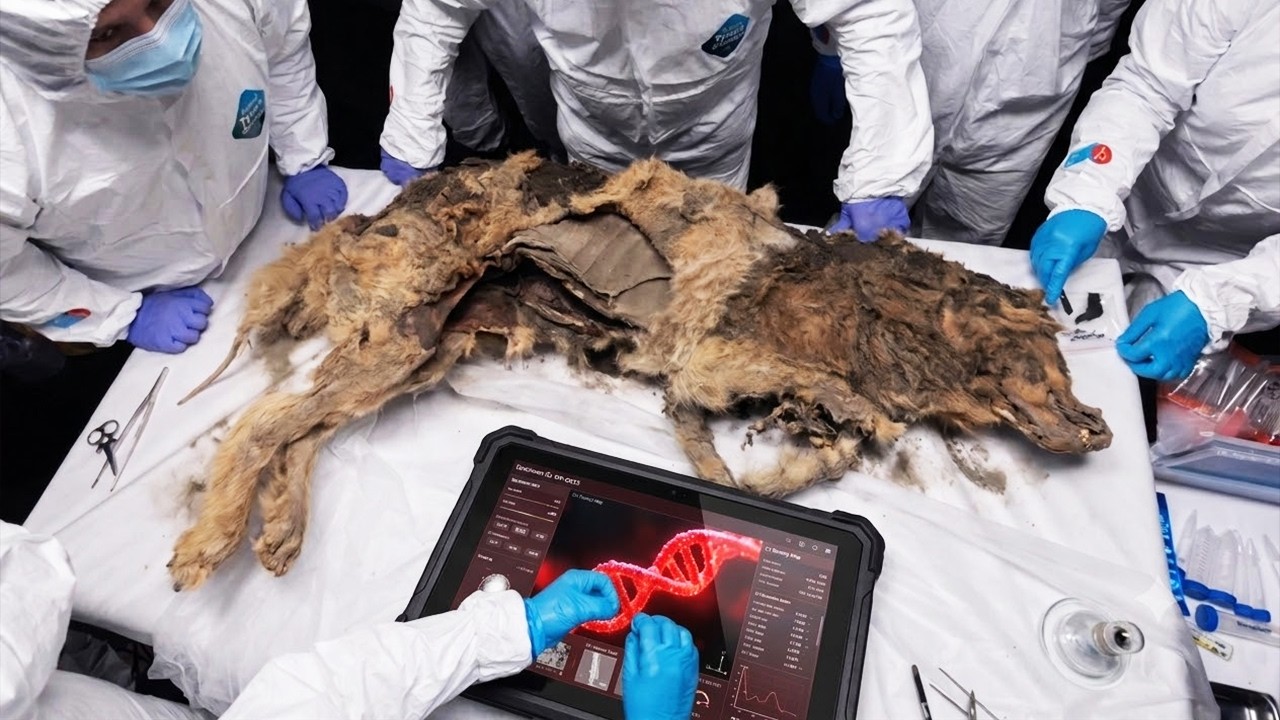
In an astonishing scientific breakthrough, researchers have cloned four red wolves from nearly lost DNA, decades after the species was declared extinct in the wild. These wolves, named Neka, Ash, Blaze, and Cinder, carry genetics once thought vanished forever, revolutionizing conservation and offering a beacon of hope for endangered species recovery.
Thirteen thousand years after dire wolves vanished, the red wolf faced a similar fate, declared extinct in the wild nearly 40 years ago. For decades, scientists believed the species’ pure genetic lineage erased, buried by interbreeding with coyotes and relentless human persecution.
The red wolf once roamed widely across the southeastern United States but was crushed by trapping, poisoning, and government predator control programs aimed at erasing these apex predators. By 1970, only a thin coastal marshland between Texas and Louisiana remained as their final refuge.
In desperation, wildlife agencies captured all remaining red wolves to save the species, confining them in captivity. Yet, of more than 400 captured animals, only 17 were true red wolves, and a mere 14 bred successfully, creating a devastating genetic bottleneck that stalled recovery efforts.
This narrow gene pool resulted in weak immune systems, infertility, and low pup survival rates. After decades of painstaking management, captive breeding produced enough wolves for a historic 1987 reintroduction into North Carolina—a pioneering effort to restore a large carnivore to the wild.
For years, this program flourished, with wild populations growing to around 120 by 2012. But a decade of neglect, funding cuts, and enforcement failures saw populations crash to just seven wolves by 2020, with hybridization with coyotes—the feared final threat—resurfacing and eroding the species’ identity.
Then came a discovery that stunned the scientific community. Wildlife biologist Ron Wooten uncovered unusually large, wolf-like coyotes on Galveston Island, Texas, leading to genetic analyses revealing “ghost alleles”—lost red wolf DNA persisting hidden inside the coyote population for decades.
Shockingly, some coyotes carried up to 69% red wolf DNA, a genetic treasure trove unseen in the official captive population. This secret reservoir had preserved genetic diversity the formal conservation efforts had long believed was lost forever.
Colossal Biosciences, a Dallas biotech firm, partnered with researchers studying these genetic ghosts and achieved the extraordinary: cloning four red wolves from simple blood samples of these hybrid animals using innovative, minimally invasive techniques.
Named Neka, Ash, Blaze, and Cinder, these pups carry the richest, most complete red wolf genetic heritage ever recovered—up to 72%. They represent the first introduction of fresh blood into a population that had been strangled by inbreeding for over 40 years.
The Karankawa tribe, indigenous to the Texas Gulf Coast and once declared extinct themselves, honored the first cloned pup with the name Nekaida, meaning “ghost daughter,” symbolizing resilience and the profound intertwining of cultural and ecological revival.
Simultaneously, wild red wolf populations in North Carolina and Florida are showing signs of recovery. Court interventions revived conservation protections, leading to new wild-born litters and an increase in breeding pairs across their native ranges, defying previous extinction trajectories.
While debates persist over red wolves’ taxonomic status and cloning ethics, these unprecedented genetic rescues offer undeniable new tools to combat extinction. They demonstrate how cutting-edge science can complement, not replace, essential habitat protection and management to save imperiled wildlife.
The journey from near-extinction to revival reveals that the red wolf’s genome never fully died—it remained alive, hidden within its hybrids, patiently awaiting discovery. This breakthrough not only reframes conservation but ignites hope that lost species might yet be restored from nature’s own shadows.
As Nekaida and her cohorts frolic unaware of their historic role, scientists and conservationists face the urgent challenge of safeguarding habitats and enforcing protections so these genetic miracles can ultimately roam free, restoring balance to ecosystems where they once thrived.
This remarkable resurrection underscores both humanity’s capacity for destruction and redemption. The red wolf’s comeback story is a clarion call: science, culture, and willpower combined can defy extinction and rewrite the future for species on the brink across the globe.