The logistics of Formula 1 racing present a breathtakingly complex challenge that few can comprehend. With ten teams racing across five continents for eight months, the coordination required to transport over 1,400 tons of equipment per race is a logistical marvel. From mobile headquarters to critical race gear, the behind-the-scenes operation is nothing short of a logistical nightmare.
Each Formula 1 team operates from a headquarters that serves as the core of their operations. This is where car design, development, and parts manufacturing take place. Though the sport is global, all teams, except for one, are based in Europe. The concentration of resources in this region simplifies logistics, as most teams are situated close to each other.
Race weekends transform these headquarters into bustling hubs of activity. The logistics team must transport not only cars and spare parts but also essential items like cooking equipment and furniture for the mobile headquarters. Each team’s setup includes elaborate motor homes, complete with kitchens and lounges, which must be transported and assembled at each circuit.
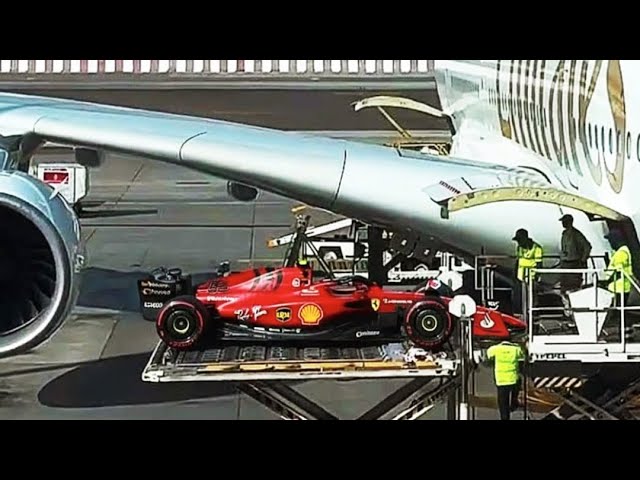
Managing the logistics of transporting 1,400 tons of gear requires meticulous planning. Each team utilizes a combination of trucks, planes, and ships to ensure timely arrival. DHL has been the official logistics partner for nearly 40 years, employing specialists who travel to every race to oversee the transport and setup process.

The European leg of the season is relatively straightforward, with teams using trucks to move equipment between races. However, the flyaway races pose a significant challenge. Planning for these events begins months in advance, with teams shipping less urgent gear via cargo ships to various locations around the world.
Critical racing equipment, including car chassis and engines, is transported via chartered Boeing 747s. Each plane carries approximately 30 tons of parts per race, covering 80,000 miles throughout the season. The costs associated with air transport can reach up to a million dollars per race, significantly impacting team budgets.

In an effort to reduce environmental impact, Formula 1 aims to achieve net-zero carbon emissions by 2030. Initiatives include using advanced biofuels for trucks and implementing solar panels at race venues. However, the ambitious travel schedule raises questions about the feasibility of these green goals.
Race weekends are a whirlwind of activity. Once the race concludes, teams have mere hours to dismantle their setups and prepare for the next location. The teardown process is a finely tuned operation, requiring teamwork and precision to ensure everything is packed and shipped within a tight timeframe.

As the logistics crew works tirelessly, drivers and key personnel typically fly on private jets, while other team members utilize commercial flights. This staggered travel schedule ensures that all necessary personnel arrive on time to prepare for the next Grand Prix.
The seamless execution of these logistics remains largely unnoticed by fans. Viewers switch on their televisions to find everything in place, unaware of the monumental efforts that occur behind the scenes. This intricate ballet of transportation and setup is what allows Formula 1 to deliver its high-octane spectacle week after week.
In conclusion, the logistics of Formula 1 racing are a testament to human ingenuity and organizational prowess. The sport’s ability to maintain such a demanding schedule while ensuring all components are in place is nothing short of extraordinary. As the world tunes in to watch, the unseen logistics team is hard at work, making the magic happen.