Ayrton Senna was not just a driver; he was a phenomenon that transformed Formula 1 racing forever. From his explosive debut in 1984 to his tragic demise in 1994, Senna’s unparalleled talent, fierce rivalries, and commitment to safety left an indelible mark on motorsport history. His legacy continues to inspire generations.
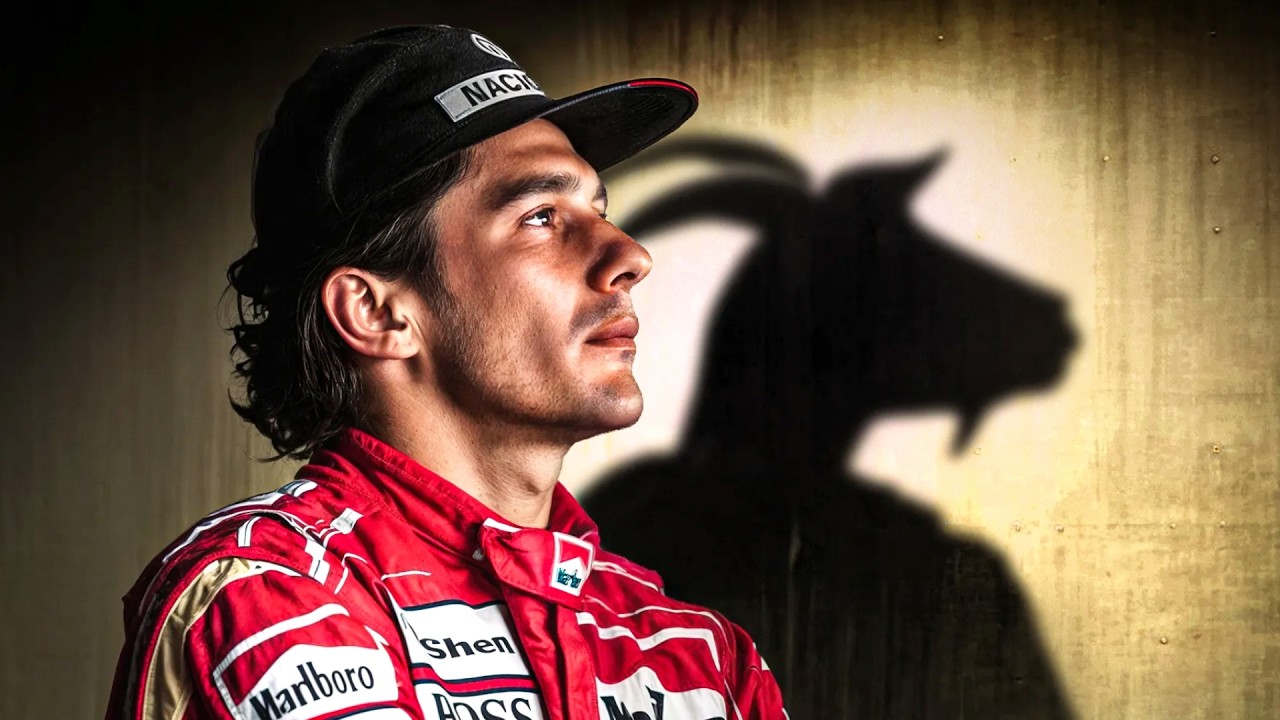
Born in São Paulo in 1960, Senna’s journey to F1 began with karting at the tender age of four. His drive was evident early on, and by 1984, he made his F1 debut with the underfunded Tolman team. Despite the team’s limitations, Senna showcased his extraordinary skills, notably during the rain-soaked Monaco Grand Prix, where he finished second—a harbinger of greatness to come.
In 1985, Senna joined Lotus, where he truly began to shine. He clinched his first victory at the Portuguese Grand Prix, dominating the field by over a minute. His ability to extract performance from the car was unmatched, and he quickly established himself as a formidable force in F1, winning multiple races and pole positions.
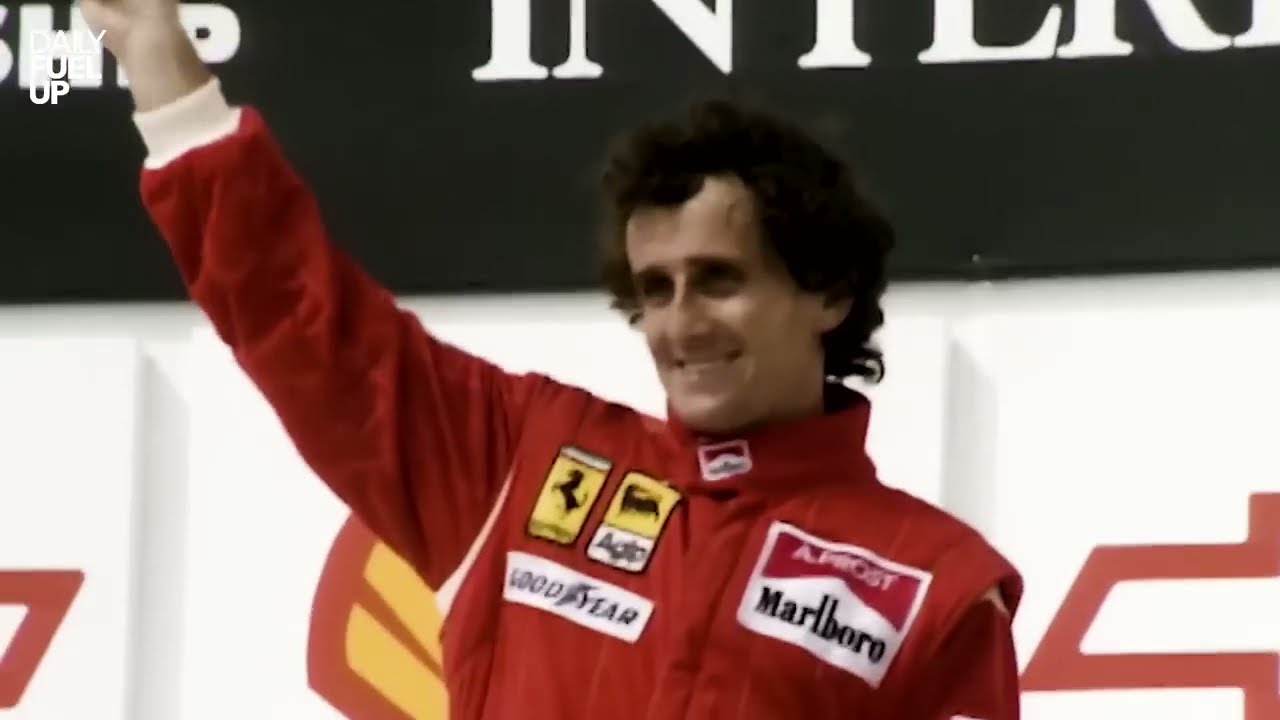
Senna’s move to McLaren in 1988 placed him alongside two-time champion Alain Prost. The rivalry that ensued became one of the most intense in F1 history. Throughout their two years as teammates, Senna outperformed Prost in both wins and pole positions, but their clashes, including the infamous incident at Suzuka in 1989, defined their contentious relationship.
The 1990 season saw Senna’s rivalry with Prost intensify after Prost moved to Ferrari. Their battles were fierce, culminating in another controversial collision at Suzuka that secured Senna’s second championship. His ability to thrive under pressure and deliver extraordinary performances solidified his status as one of the sport’s all-time greats.

However, the latter part of Senna’s career was marred by tragedy. In 1994, he joined Williams, hoping for continued success. Unfortunately, the FW16 was not up to par, and on May 1, during the San Marino Grand Prix, Senna suffered a fatal crash—a devastating loss that sent shockwaves through the motorsport community.

Senna’s death prompted a reevaluation of safety standards in F1, as he had been a vocal advocate for driver safety. His tragic end led to significant reforms in the sport, ensuring that his legacy would extend beyond his racing achievements.
In total, Senna’s career boasted three World Championships, 41 wins, and 65 pole positions, all in just 161 races. His impact on the sport is immeasurable, inspiring future generations of drivers like Michael Schumacher and Lewis Hamilton, who often cite Senna as their hero.
Ayrton Senna was more than a racing driver; he was a symbol of passion, determination, and excellence. His legacy continues to resonate, reminding us of the profound impact one individual can have on a sport and its community.