Ancient civilizations developed medical practices that ranged from surprisingly effective to dangerously misguided, with treatments that often combined observation, ritual, and outright guesswork. From trepanation to mummy powder, these methods shaped the course of medical history in ways that still echo today. The Egyptians practiced medicine with a blend of science and magic, treating wounds with honey, which modern science has confirmed kills bacteria. Their medical knowledge was recorded on papyrus scrolls, including the Edwin Smith papyrus, one of the oldest surgical manuals in the world, describing 48 trauma cases.
The Ebers papyrus listed over 700 remedies, including moldy bread, which contained Penicillium, the precursor to penicillin. Mummification gave Egyptians a unique understanding of anatomy. They removed the brain through the nose, while preserving the heart, believing it held thoughts and feelings. Embalming was not limited to pharaohs, as even middle-class Egyptians could afford a version of the process.
The Sumerians, living in Mesopotamia around 2100 BCE, were the first to document medical treatments on clay tablets. Illness was seen as punishment from the gods, and treatment involved appeasing deities and consuming herbal remedies. They recorded over 250 medicinal ingredients, including willow bark, which contains a chemical cousin to aspirin. Doctors and priests worked together, blending logic and divination.
In the Indus Valley Civilization, hygiene was a priority, with stone toilets and drainage systems in homes by 2000 BCE. These practices evolved into Ayurveda, which emphasized balancing three doshas, or body energies. Treatments included herbal remedies like neem, turmeric, and ashwagandha, along with seasonal eating and fasting. During the Shang Dynasty in China around 1600 BCE, healers read pulses to diagnose ailments, identifying 28 types.
They believed emotions were tied to organs, and treatments included herbal remedies, acupuncture, and balance between yin and yang. Modern researchers continue to study how these pressure points work. The Hittites, around 1400 BCE, responded to a devastating plague with documented protocols, including isolating the sick and banning infected foreigners. Their clay tablets reveal early epidemiology, with cleaning rituals and pattern recognition.
In ancient Greece around 500 BCE, Hippocrates shifted medical thinking by proposing that illness was natural and observable, not divine punishment. He introduced the concept of bedside manner, patient confidentiality, and the Hippocratic Oath. The Achaemenid Empire organized state-backed health care, with traveling medical caravans and hospitals in cities like Susa and Ecbatana. Doctors were trained, licensed, and could be fined or worse for bad diagnoses.
Rome engineered public health on a massive scale, building aqueducts that delivered over 200 million gallons of water daily, along with public baths, sewers, and latrines. Military field hospitals treated soldiers, while physician Galen wrote treatises that dominated Western medicine for over 1,300 years. The Maya practiced trepanation, drilling holes in skulls for medical reasons, with evidence showing some patients survived. They also mastered dental work, inlaying teeth with jade and obsidian with precision.
Their healers, called ahmen, were trained professionals with extensive botanical knowledge. During the Islamic Golden Age, scholars like Ibn Sina and Al-Razi advanced medicine significantly. Ibn Sina’s Canon of Medicine became Europe’s go-to medical text for over 600 years. Hospitals called bimaristans offered free public care, and licensing exams were required.
Pharmacists were real professionals, and mental health was treated with music therapy. Diseases in ancient times often caused devastating losses. Ergotism from moldy grains killed Neolithic Europeans, while early strains of plague wiped out communities in Northern Europe around 3300 BCE. Smallpox left visible scars on the mummy of Pharaoh Ramesses V, and typhoid fever killed up to 100,000 people in Athens in 430 BCE.
After the Battle of Cannae, dysentery from contaminated water killed more soldiers than the battle itself. Leptospirosis, spread through rat urine, struck Han Dynasty China, while necrotizing fasciitis turned minor wounds fatal for Roman soldiers. Anthrax plagued Mesopotamian farmers, and tuberculosis spread through ancient India’s cities. The Justinianic plague killed up to 50 million people across the empire in the 6th century CE.
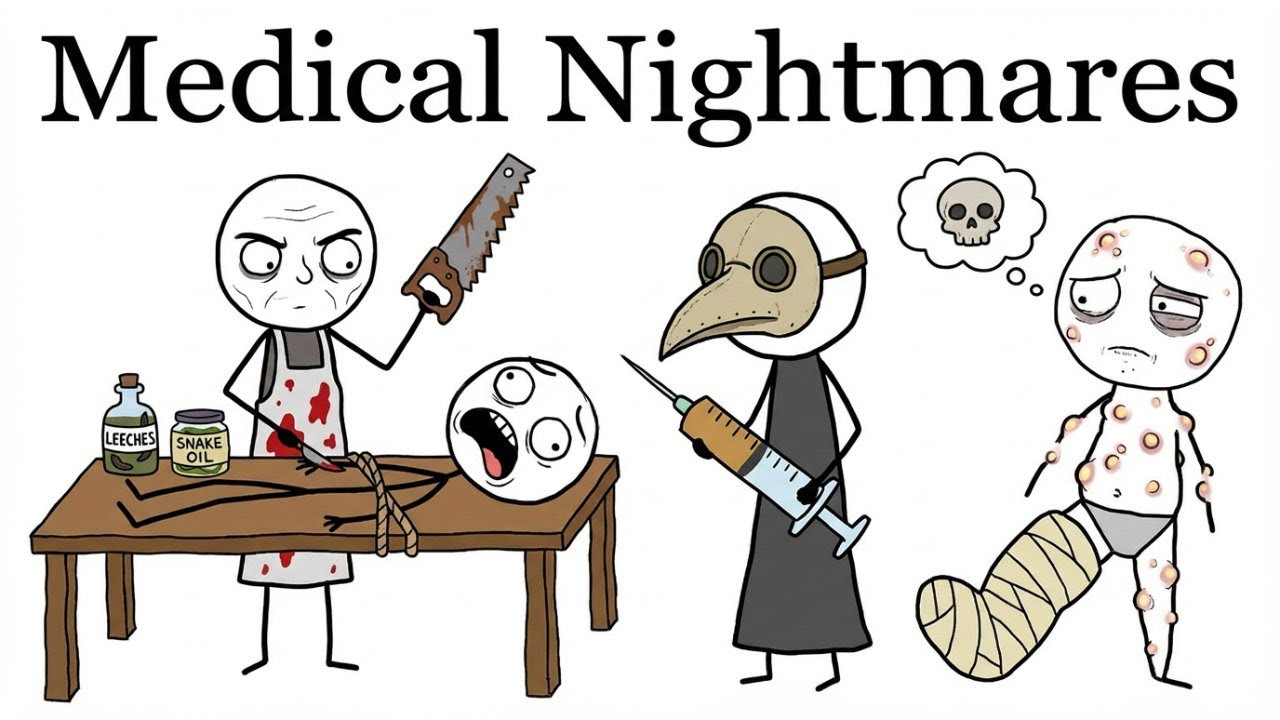
Medical treatments throughout history were often bizarre and dangerous. Plague doctors wore beaked masks filled with herbs, believing disease spread through bad air. Trepanation, or drilling holes in the skull, was practiced to release evil spirits and relieve pressure. Mummy powder, made from ground-up Egyptian mummies, was used as a supposed cure-all in medieval Europe.
Tobacco smoke enemas were used to revive drowning victims in the 18th century, while corpse medicine involved consuming bits of dead bodies. Soothing syrups for babies contained opium, causing addiction and overdoses. Animal dung was applied to wounds and ingested for various ailments. In the early 20th century, radium was added to toothpaste, cosmetics, and health tonics before its dangers became known.
Electric shock therapy evolved from unanesthetized procedures to controlled treatments. Snake oil salesmen peddled fraudulent cure-alls, and arsenic was used in cosmetics, medicines, and even diet pills before being recognized as deadly. Government health policies also had mixed results. Prohibition in the 1920s America led to illegal alcohol trade and gang violence.
The D. A. R. E.
program, launched by the LAPD, was found to make children more curious about drugs, being replaced by more interactive programs. The Healthy People 2000 initiative achieved only 15% of its goals. Sweden promoted snus as a healthier alternative to smoking, leading to a European Union ban. The anti-fat movement in the 1970s and 1980s increased sugar in low-fat foods, contributing to rising obesity rates.
South Africa’s HIV/AIDS policy under Thabo Mbeki delayed antiretroviral drugs, causing hundreds of thousands of deaths. The 1976 swine flu vaccine rollout led to cases of Guillain-Barré syndrome. Pellagra was finally cured with vitamin B3 in flour, and John Snow’s discovery of contaminated water as the source of cholera in Victorian London transformed public health. A dengue vaccine in Brazil, called Dengvaxia, was found to increase the risk of severe dengue in those who had never been infected.
Throughout history, medical practices have evolved through a combination of observation, trial and error, and sometimes dangerous mistakes. Modern medicine owes much to these early attempts, both the genius and the failures that taught humanity what works and what does not.