𝓈𝒽𝓸𝒸𝓀𝒾𝓃𝑔 revelations emerge as chronicles unveil the disturbing histories behind the coffins of history’s most infamous kings. From clandestine exhumations to brutal executions, the posthumous journeys of monarchs like Henry VIII, Louis XVI, Charles I, and Richard III expose the blood-stained corridors of power, treachery, and turmoil that shaped civilizations.
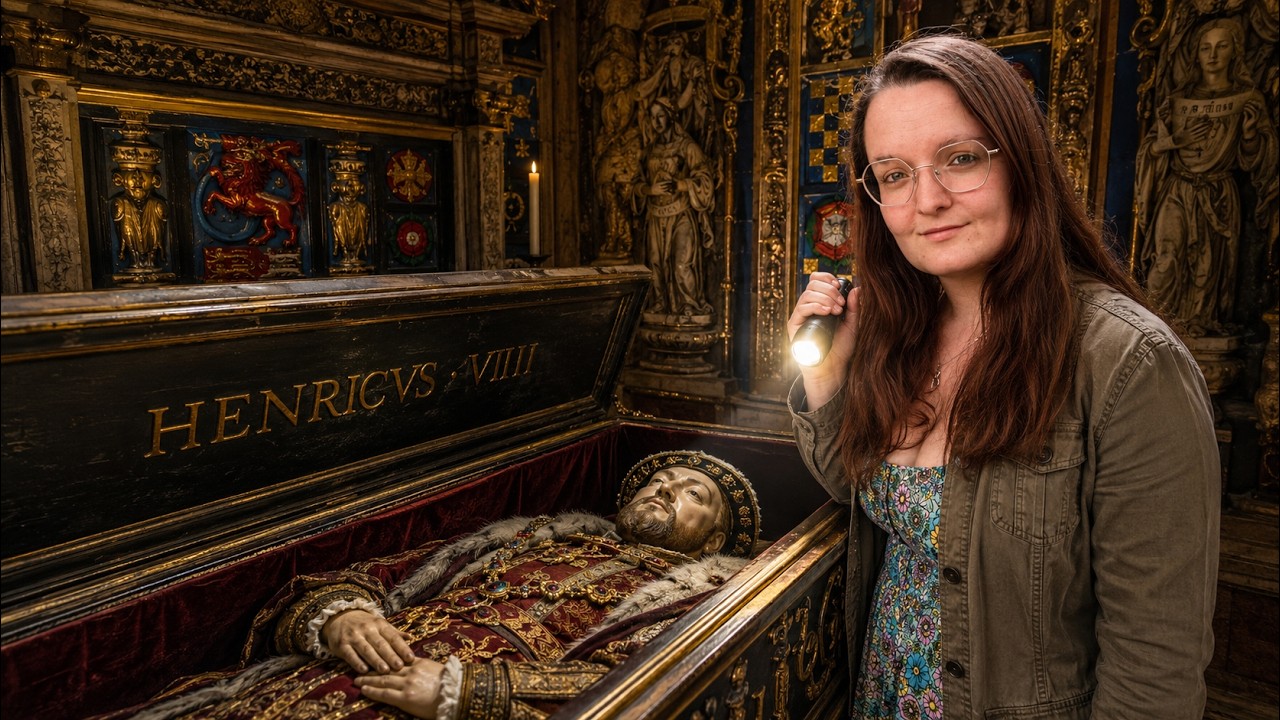
King Henry VIII, notorious for his six marriages and severe reign, met a controversial end in 1547. Despite his towering legacy, Henry was interred in a modest vault at St. George’s Chapel, Windsor, far from the majestic tomb he desired. His coffin, accompanied by a waxen effigy adorned with jewels, embarked on a grand procession yet lay in a vault repeatedly disturbed through the centuries, reflecting the turbulent aftermath of his reign.
Following Henry’s death, his body underwent traditional embalming rituals; his organs and heart were separately entombed, underlining medieval royal burial customs. Yet, accession of his son Edward VI marked an era of fleeting peace overshadowed by the cruel legacies Henry left behind—his burial site silent testimony to a volatile monarchy’s demise.
Adding to the grim history, King Charles I, who plunged England into civil war, was sentenced to death in 1649. His execution by beheading was a state spectacle, yet political anxieties led to a secretive burial alongside Henry VIII. This forced coexistence within the Tudor vault symbolizes England’s fractured royal narrative, where vengeance and reverence collide.
The vault housing these English kings experienced multiple desecrations. Notably, in 1813, the future King George IV witnessed the opening of Charles I’s coffin, revealing remarkably preserved remains despite his gruesome execution. The fractured state of Henry VIII’s coffin raised fears that the infamous king’s bones might still lay 𝓮𝔁𝓹𝓸𝓼𝓮𝓭 beneath Windsor’s chapel floors.
Across the English Channel, Louis XVI’s final moments and burial reflect the French Revolution’s deadly fervor. Executed by guillotine amidst a sea of revolutionary guards, his last words proclaimed innocence and forgiveness. His hastened burial in an unmarked grave treated him as a criminal rather than royalty, the grave heavily infused with lime to hasten decay and erode all traces of monarchy.
Decades later, the Bourbon Restoration ignited a macabre recovery operation, unearthing the shattered remains of Louis XVI and his queen Marie Antoinette. The exhumation revealed skeletons distorted by the corrosive lime but identifiable by clothing remnants and burial artifacts, culminating in a solemn reburial within the Basilica of Saint Denis — France’s royal pantheon.
Meanwhile, in England, the grisly saga of Richard III reached a dramatic climax in 2013 with the unearthing of his skeleton beneath a Leicester car park. The late Plantagenet king’s bones bear violent wounds attesting to a brutal battlefield death. His remains, once presumed lost or discarded, now offer a vivid glimpse into medieval warfare’s savage end.
Richard III’s final battle at Bosworth Field ended the Wars of the Roses and inaugurated the Tudor dynasty. Despite his notorious reputation as a treacherous usurper, forensic examination of his skeleton revealed the ferocity of his last stand. Multiple head wounds, including a fatal halberd strike, underscore the lethal chaos of dynastic struggle.
Unearthed far from royal sepulchers, Richard’s remains were hastily buried in Grey Friars Priory, their exact resting place lost to time. The decay of the priory and urban development concealed his grave until his historic rediscovery reshaped public understanding of English monarchal history and the gruesome realities of power.
These royal exhumations and burial disturbances unravel a stark narrative of power, downfall, and posthumous indignity. Each coffin and grave tell tales not just of death, but of political symbolism, societal upheaval, and the relentless human quest for legacy amidst violent revolution and shifting governments.
The continuing disturbances of these royal tombs highlight broader questions about how history remembers—and sometimes revives—the ghosts of monarchs who shaped nations through cruelty, conviction, and conflict. Their remains serve as morbid monuments to the brutal intersection of history, memory, and myth.
As these discoveries unfold, they reveal that the death of a king rarely seals a peaceful rest. Instead, exhumations and relics keep the stories alive, forcing contemporary societies to confront their fraught royal legacies entwined with bloodshed, betrayal, and unfinished power struggles.
From England’s Tudor to Stuart kings, and France’s Bourbon monarchs, the post-mortem journeys underscore the violent echoes of revolution and rebellion. These once-feared sovereigns continue to captivate, their disturbed resting places bear witness to history’s relentless march and changing tides of power.
The often clandestine openings of royal coffins disrupt centuries-old seals, exposing the fragility of royal grandeur once cloaked by ceremony and awe. These archaeological incursions illuminate the human realities behind crowns, reminding us that even kings are mortal—and their legacies contested.
Today, visitors to Windsor and Saint Denis walk unknowingly above vaults steeped in unresolved histories. These kings’ final resting places are less shrines than silent graves, marked by controversy, forced proximity to foes, and countless acts of disturbance that question the permanence of royal remembrance.
The exhumations brutally expose how regimes sought to erase or co-opt monarchal symbols. The secretive reburials and hurried graves conceal anxieties that reverberate through history—fear of martyrdom, unrest, and the power of royal memory in shaping national identity and politics.
This spectacular historical saga transcends mere burial tales: it is a relentless confrontation with the consequences of tyranny and revolution, where the dead monarchs’ bones become instruments in ongoing struggles over history, power, and national destiny.
As historians and archaeologists continue to unravel these royal mysteries, the world gains unprecedented insights into the violence that defined reigns and revolutions. Bloodied bones and shattered coffins remind us that the end of monarchy was as brutal and unsettling as any battlefield.
The legacy of these kings lives on, not just in history books, but beneath the floors of chapels and in hidden graves, where the echoes of their reigns—marked by upheaval, cruelty, and ambition—continue to resonate with haunting intensity across the centuries.