For decades, Randolph Scott was the definition of the perfect Western hero. Calm, honorable, and unwavering, he played men who always seemed to know the right path. Audiences admired his quiet confidence, yet away from the cameras, that same silence became the source of endless speculation. The less he revealed about himself, the more Hollywood wanted answers.
Unlike many stars of his era, Scott never chased celebrity. Before acting, he studied engineering, held ordinary jobs, and served during World War I, developing the discipline and restraint that would later define both his career and his public image. When he arrived in Hollywood, success came steadily rather than dramatically. By the 1950s, he had become one of the industry’s most dependable leading men, carefully choosing projects, producing his own films, and maintaining complete control over his reputation.
But it was his private life that sparked the greatest curiosity.
For years, Randolph Scott shared a famously close friendship with Cary Grant. The two lived together for a time, appeared frequently in public, and became the subject of persistent rumors that never completely disappeared. Neither man chose to address the speculation. There were no public denials, no dramatic explanations, and no attempts to satisfy Hollywood’s curiosity. Scott simply continued living the way he always had—guarding the boundary between his public career and his private life.
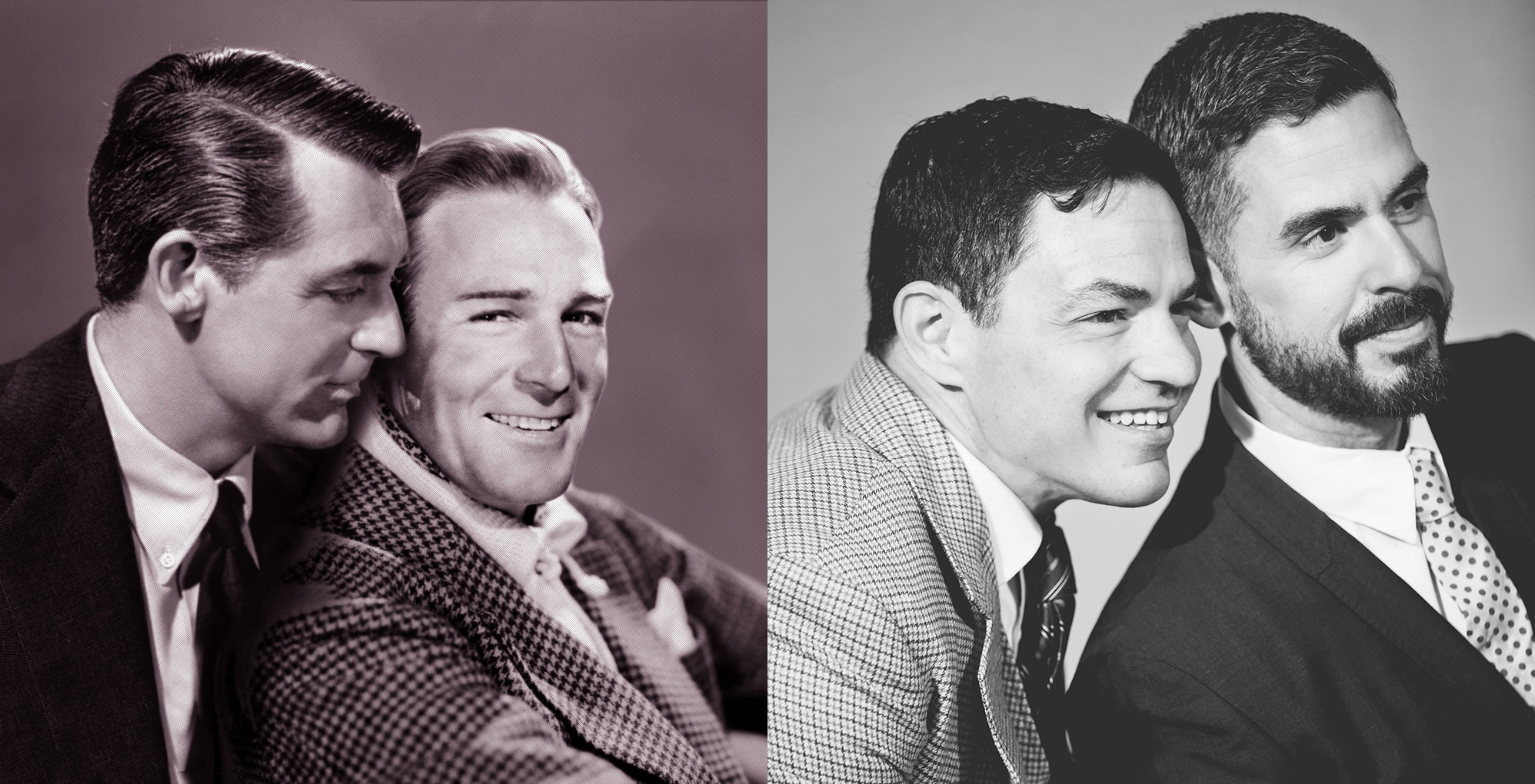 Then, at the height of his success, he made another surprising decision. Instead of holding onto fame, Randolph Scott quietly retired from acting. He never staged a comeback, rarely gave interviews, and devoted his later years to his family and carefully managed investments. When he passed away in 1987, his life ended with the same dignity and privacy that had defined his career.
Perhaps that is why Randolph Scott continues to fascinate audiences today. It wasn’t because he left behind shocking confessions or scandalous revelations. It was because he proved that even in Hollywood, a man could choose silence over spectacle—and never apologize for it.

