Archaeologists have just uncovered a long-hidden royal tomb deep in Egypt’s Theban Mountains — the first discovery of its kind in more than a century. At first glance, it appeared to belong to a forgotten queen. But what investigators found inside tells a far more explosive story… one that may rewrite a critical chapter of ancient Egyptian history.
The tomb, initially labeled C4, was discovered by a joint Egyptian-British team working near the burial sites of Thutmose III’s wives. Its location raised eyebrows immediately. Why would a modest, unnamed tomb sit so close to royal women of the powerful 18th Dynasty?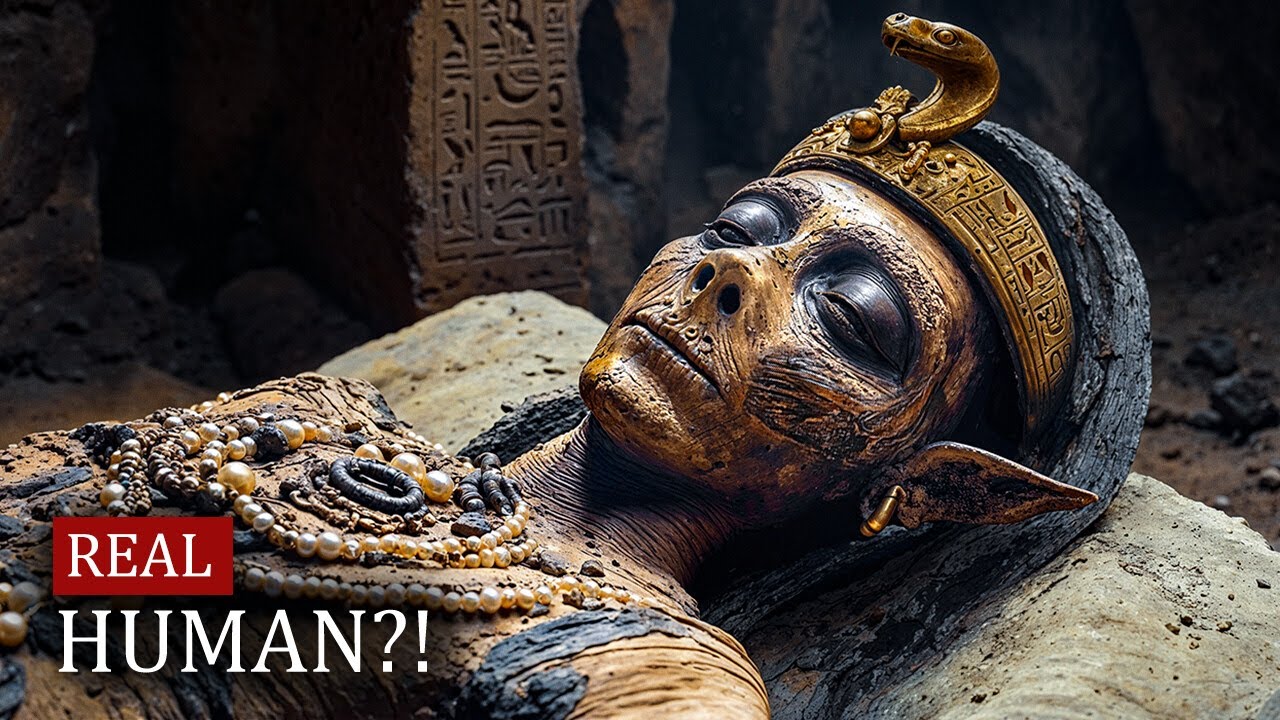
Then came the moment that changed everything.
Among the debris were alabaster jars engraved with the name of Pharaoh Thutmose II, along with the unmistakable phrase “the deceased king.” In an instant, the narrative shifted. This was no queen’s grave. This was a lost royal tomb — one that had vanished from history for over 3,000 years.
But the mystery only deepened.
The tomb showed clear signs of catastrophic flooding shortly after burial. Walls were scarred. Ceilings collapsed. Priceless objects were gone. When archaeologists finally reached the burial chamber, they were stunned to find it completely empty — no sarcophagus, no mummy, no treasure.
Not looted.
Removed. Intentionally.
Fragments of deep-blue inscriptions and passages from the Book of Amduat — a sacred text guiding kings through the afterlife — suggest the tomb was once richly decorated. Experts now believe priests may have secretly relocated the king’s remains to protect them from destruction, leaving behind a carefully concealed mystery.
Thutmose II ruled for just five short years and died around age 30, overshadowed by his powerful wife Hatshepsut and his successor Thutmose III. Until now, his reign — and his burial — remained one of ancient Egypt’s greatest blind spots.
And here’s where speculation ignites.
If royal burials were quietly moved to safer locations…
If kings were hidden to protect dynasties…
What else — or who else — may still be missing?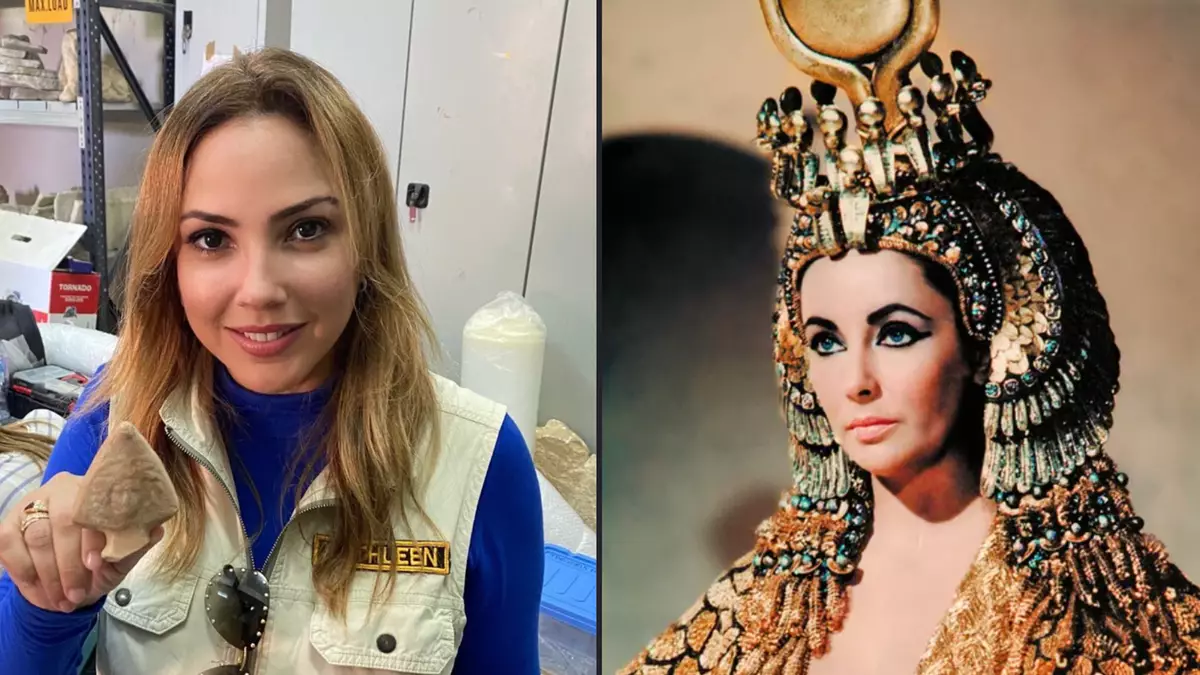
With Cleopatra’s tomb still lost, and multiple royal reburials confirmed elsewhere, historians are now asking an unsettling question:
👉 How many of Egypt’s most famous rulers were deliberately erased from their original tombs… and why?
As excavations continue, one thing is certain:
This discovery is not the end of the story — it’s the beginning of a much bigger one.
Archaeologists have just uncovered a long-hidden royal tomb deep in Egypt’s Theban Mountains — the first discovery of its kind in more than a century. At first glance, it appeared to belong to a forgotten queen. But what investigators found inside tells a far more explosive story… one that may rewrite a critical chapter of ancient Egyptian history.
The tomb, initially labeled C4, was discovered by a joint Egyptian-British team working near the burial sites of Thutmose III’s wives. Its location raised eyebrows immediately. Why would a modest, unnamed tomb sit so close to royal women of the powerful 18th Dynasty?
Then came the moment that changed everything.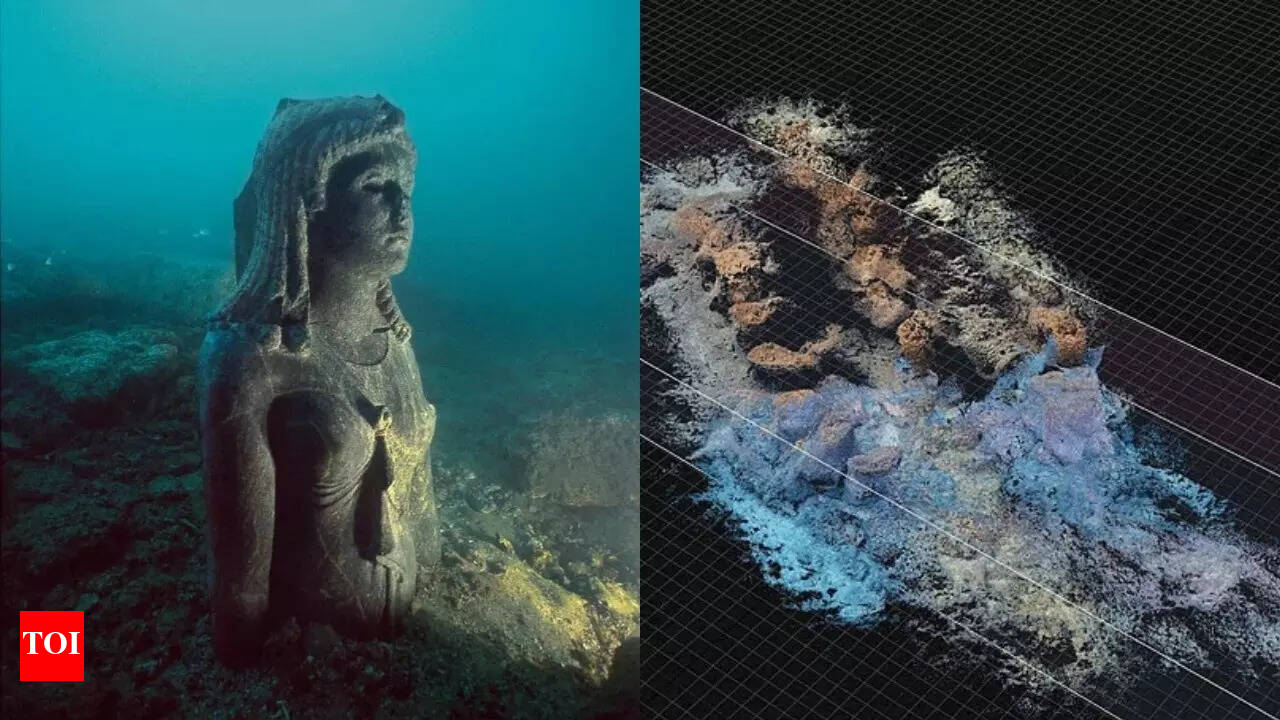
Among the debris were alabaster jars engraved with the name of Pharaoh Thutmose II, along with the unmistakable phrase “the deceased king.” In an instant, the narrative shifted. This was no queen’s grave. This was a lost royal tomb — one that had vanished from history for over 3,000 years.
But the mystery only deepened.
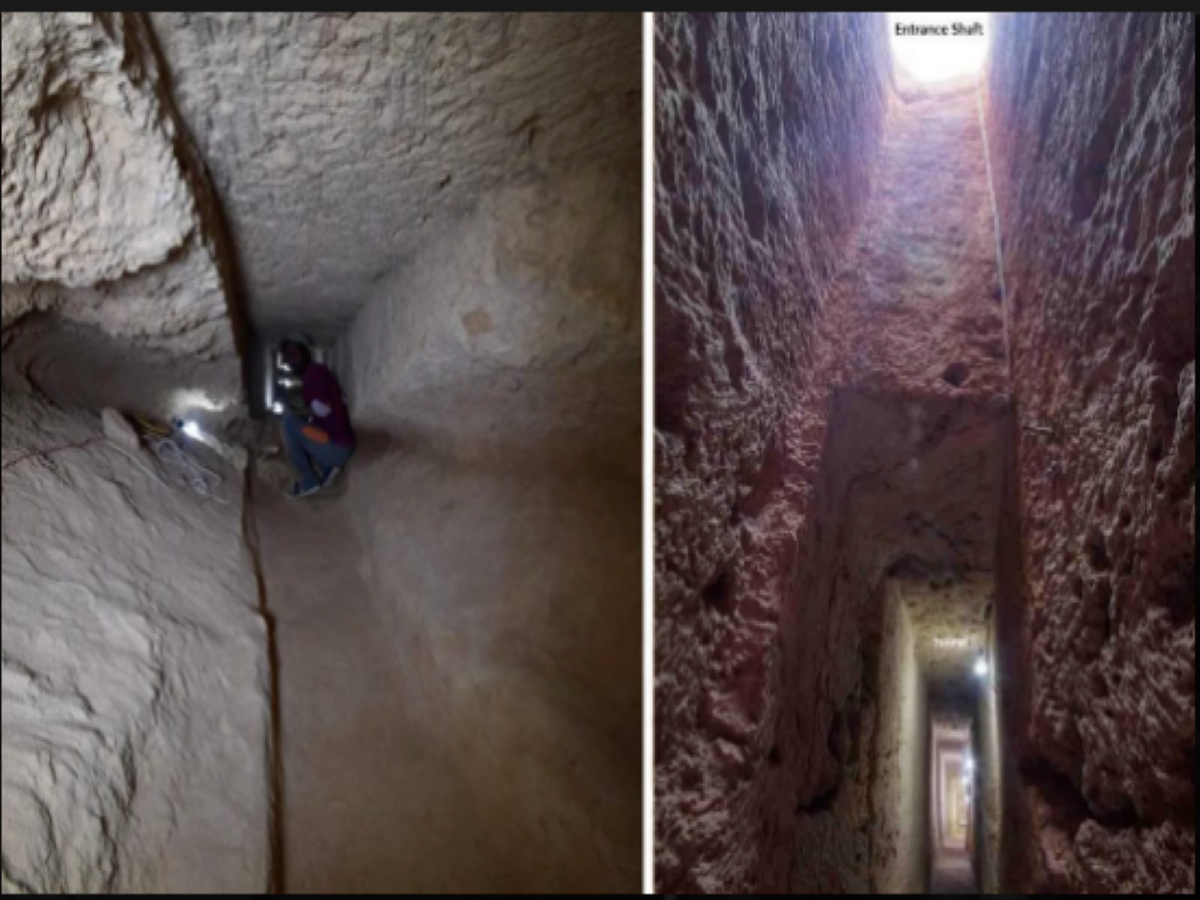
The tomb showed clear signs of catastrophic flooding shortly after burial. Walls were scarred. Ceilings collapsed. Priceless objects were gone. When archaeologists finally reached the burial chamber, they were stunned to find it completely empty — no sarcophagus, no mummy, no treasure.
Not looted.
Removed. Intentionally.
Fragments of deep-blue inscriptions and passages from the Book of Amduat — a sacred text guiding kings through the afterlife — suggest the tomb was once richly decorated. Experts now believe priests may have secretly relocated the king’s remains to protect them from destruction, leaving behind a carefully concealed mystery.
Thutmose II ruled for just five short years and died around age 30, overshadowed by his powerful wife Hatshepsut and his successor Thutmose III. Until now, his reign — and his burial — remained one of ancient Egypt’s greatest blind spots.
And here’s where speculation ignites.
If royal burials were quietly moved to safer locations…
If kings were hidden to protect dynasties…
What else — or who else — may still be missing?
With Cleopatra’s tomb still lost, and multiple royal reburials confirmed elsewhere, historians are now asking an unsettling question:
👉 How many of Egypt’s most famous rulers were deliberately erased from their original tombs… and why?
As excavations continue, one thing is certain:
This discovery is not the end of the story — it’s the beginning of a much bigger one.