For decades, Hollywood remembered Sally Field and Burt Reynolds as one of the most glamorous couples of the 1970s. He repeatedly called her the love of his life, and fans embraced their relationship as a lost romance that might have survived under different circumstances.
Sally Field remembered it very differently.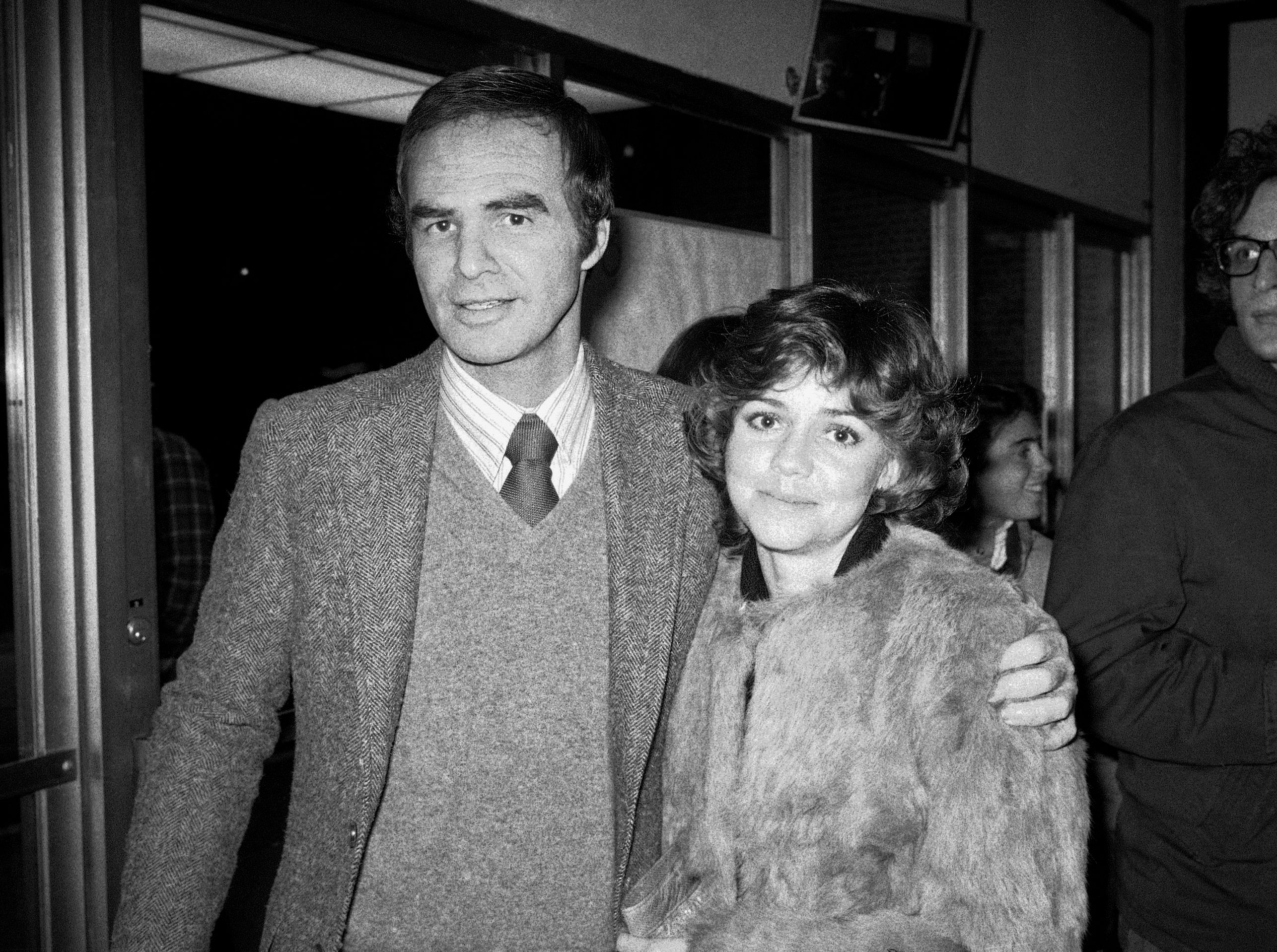
After remaining largely silent for more than 30 years, the actress finally described the relationship in her 2018 memoir, In Pieces. Her account challenged the romantic version Reynolds had often shared publicly, revealing a partnership marked by intense attraction, emotional imbalance, jealousy, and control.
Field and Reynolds met while filming the 1977 comedy Smokey and the Bandit. At the time, Reynolds was one of Hollywood’s biggest stars, known for his confidence, humor, and powerful screen presence. Field was still fighting to escape the innocent television image created by shows such as Gidget and The Flying Nun.
Their chemistry was immediate.
Audiences loved them together, and the success of the film turned their relationship into a public fascination. They later appeared alongside one another in The End, Hooper, and Smokey and the Bandit II, reinforcing the impression that their off-screen romance was just as joyful as their movie partnership.
Behind closed doors, however, Field began experiencing a very different reality.
In her memoir, she described Reynolds as charismatic and loving at times, but also emotionally controlling and deeply insecure. His moods could dominate the relationship, leaving her constantly adjusting her behavior to avoid conflict or disappointment.
Field later connected her tolerance of that dynamic to trauma from her childhood.
She wrote about the sexual and emotional abuse she endured from her stepfather, actor and stuntman Jock Mahoney. Those experiences, she explained, shaped how she understood love, power, and approval. Long before meeting Reynolds, she had learned to remain quiet, accommodate stronger personalities, and confuse emotional instability with affection.
Looking back, Field believed that childhood conditioning made her vulnerable to Reynolds’ behavior.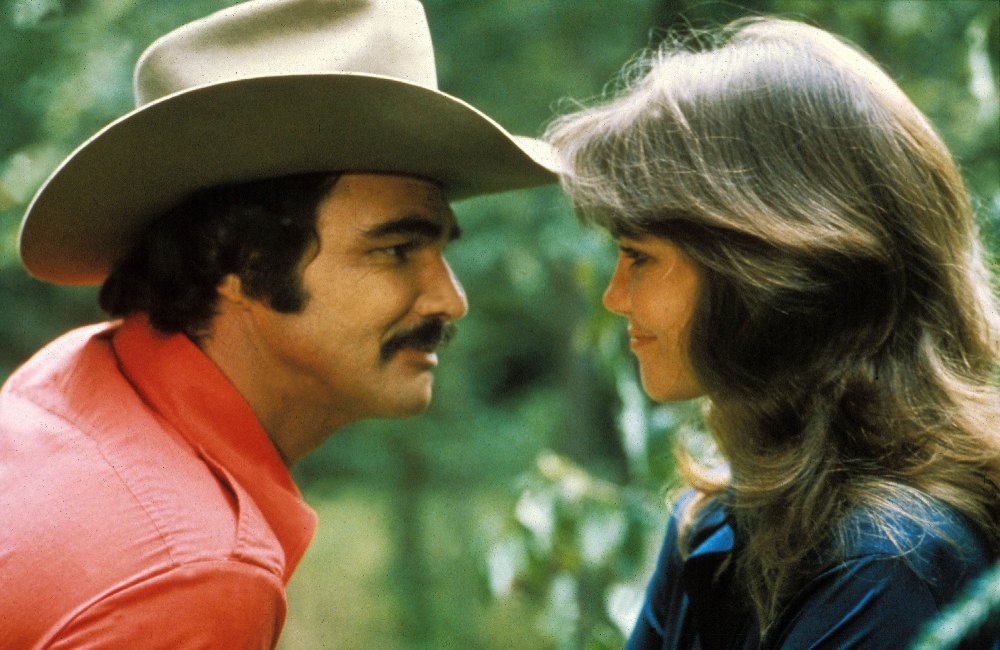
She did not portray herself as powerless or Reynolds as a simple villain. Instead, she described two emotionally complicated people entering a relationship with unresolved wounds neither fully understood.
The imbalance became especially visible as Field’s career began to transform.
Determined to prove she was capable of serious dramatic work, she pursued the leading role in Norma Rae. The film told the story of a factory worker who finds the courage to organize her colleagues and demand better treatment.
Reynolds reportedly doubted the project and discouraged Field from taking the role.
Field, however, recognized that the character represented everything she was trying to become: a woman who stopped seeking permission and began trusting her own voice.
The role changed her career.
Her performance earned extraordinary critical acclaim and the Academy Award for Best Actress in 1980. Yet Reynolds did not attend the ceremony with her, a decision that Field later remembered as painful and revealing.
At the moment when she was finally being recognized as a serious actress, the person closest to her appeared unable to fully celebrate her success.
The experience became a turning point.
Through playing Norma Rae, Field discovered a confidence she had struggled to access in her personal life. The character’s determination helped her recognize how much of herself she had surrendered to keep her relationship intact.
 The romance eventually ended in 1982.
Reynolds would later speak publicly about his regret, repeatedly describing Field as the greatest love of his life and suggesting that losing her had been one of his deepest mistakes.
Those comments created a powerful Hollywood narrative: a man realizing too late that he had driven away the woman he truly loved.
Field did not publicly challenge that version for decades.
Her silence was not an admission that Reynolds’ story was correct. It was a form of distance and self-protection. She had rebuilt her identity, raised her family, and continued developing one of the most respected acting careers in Hollywood. Returning to the relationship publicly would have meant reopening a chapter she had worked hard to survive.
In In Pieces, she finally reclaimed the story in her own words.
She acknowledged that she had loved Reynolds deeply, but insisted that love did not make their relationship healthy. His public longing, she suggested, reflected the version of her he remembered rather than the reality of the woman she eventually became.
Field also revealed that she did not speak with Reynolds during the final decades of his life.
That distance was not intended as punishment. She believed it was necessary to protect the life and independence she had built after leaving him.
Burt Reynolds died in September 2018, only days before Field’s memoir was published.
After his death, she expressed sadness and compassion while admitting she felt relieved that he would never read some of the book’s most painful passages. She did not want to humiliate him or seek revenge. Her purpose was to tell the truth about her own life, including the experiences that had shaped her decisions.
Her reflections transformed the public understanding of their relationship.
What had long been celebrated as a tragic Hollywood love story became something more complicated: a relationship filled with genuine affection but damaged by insecurity, control, and unresolved trauma.
Field’s story also raises an uncomfortable question about the way celebrity romances are remembered.
When one person repeatedly declares that someone was the love of their life, the public often accepts that version without considering what the relationship felt like to the other person.
Burt Reynolds may have sincerely loved Sally Field.
But Field’s account reminds us that being loved intensely is not always the same as being treated well.
Her greatest revelation was not that the romance had been entirely false.
It was that she had once mistaken emotional surrender for love—and that finding her own voice required walking away from the man the world believed she should have stayed with.