Before he became one of rock music’s most respected solo artists, Sting was already an international superstar as the charismatic frontman of The Police. With hits that defined an era, worldwide tours, and enormous success, his career appeared nearly perfect from the outside.
Behind the scenes, however, his personal life was becoming increasingly complicated.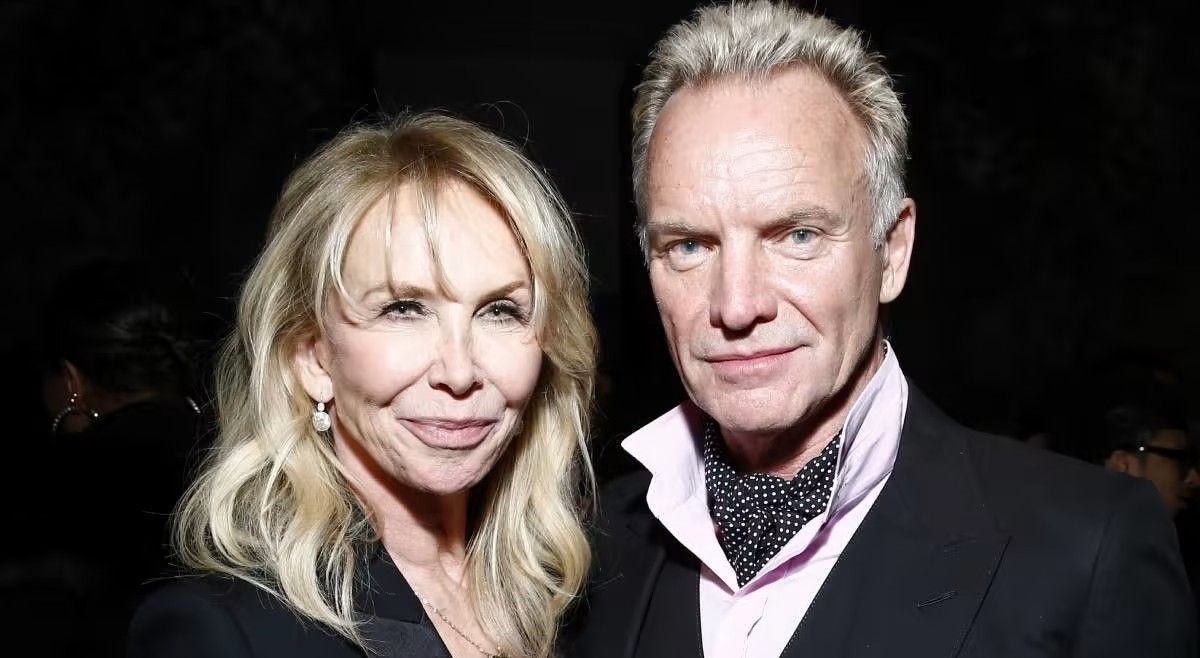
Born Gordon Matthew Thomas Sumner in Wallsend, England, Sting grew up far from the glamour of the music industry. His early years were shaped by modest surroundings and a relentless drive to build a different future. That ambition eventually led him to form The Police, whose distinctive blend of rock, reggae, and new wave transformed them into one of the biggest bands of the late 1970s and early 1980s.
Yet success came with a price.
Constant touring, demanding recording schedules, and the pressures of international fame placed enormous strain on Sting’s personal relationships. He has spoken over the years about periods of emotional exhaustion and the difficulty of balancing family life with an increasingly overwhelming career.
The greatest turning point came during the early 1980s.
At the time, Sting was married to Irish actress Frances Tomelty, with whom he shared children. Their marriage had already been under pressure as his career accelerated, but matters became far more complicated when Sting began a relationship with Trudie Styler—an actress, producer, and close friend of Tomelty who also lived nearby.
As news of the relationship became public, it generated intense media attention. British tabloids closely followed every development, turning the breakdown of Sting’s marriage into one of the most talked-about celebrity stories of the decade.
The marriage ultimately ended in divorce in 1984, leaving Sting facing not only the emotional consequences of the separation but also relentless public scrutiny. For many observers, the affair became inseparable from his public image, overshadowing much of his musical success during that period.
Rather than avoiding those painful experiences, Sting increasingly channeled them into his songwriting.
Throughout his solo career, themes of love, regret, vulnerability, and emotional conflict became central to many of his lyrics. While he has rarely drawn direct lines between specific songs and real-life events, his music often reflected a deeper emotional honesty that resonated with audiences around the world.
What began as one of the most controversial relationships in British entertainment eventually developed into something lasting.
Sting and Trudie Styler remained together, building a family and creative partnership that has now endured for decades. Together they have raised children, collaborated on numerous artistic projects, and become active supporters of humanitarian and environmental causes through organizations such as the Rainforest Foundation.
Over time, public perception gradually shifted.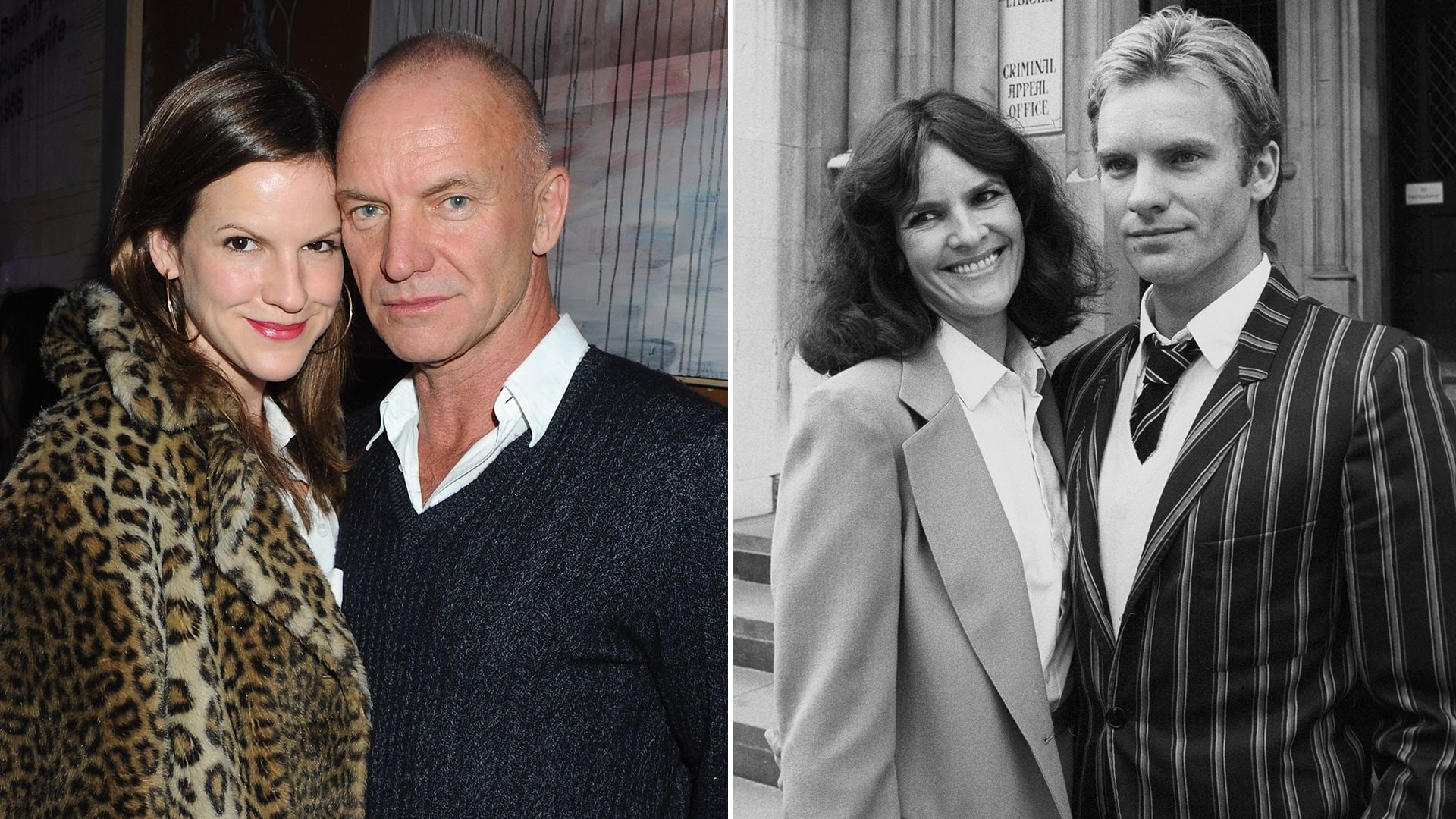
Although the circumstances surrounding the beginning of their relationship remain part of Sting’s history, the longevity of their partnership has led many to view it as a relationship that survived extraordinary public scrutiny and ultimately evolved into a stable family life.
Today, Sting’s legacy extends far beyond headlines about his private life. He is recognized as one of modern music’s most influential songwriters, with a career spanning more than five decades. His journey serves as a reminder that extraordinary success often exists alongside deeply personal struggles—and that even life’s most controversial chapters can shape the art that follows.