Richard Gere has spent seventy-five years building a public persona of effortless charm and success, but behind the iconic smile lies a private history of hunger, isolation, and silent sacrifice that has exacted a devastating personal toll.
The man who would become one of Hollywood’s most beloved leading men began his career in a state of raw desperation. During the 1970s, the young actor struggled to afford basic necessities, often surviving on eggs because they were the only food within his means. He has openly described those years as desperate and exhausting, a period defined not by ambition but by a constant, gnawing hunger.
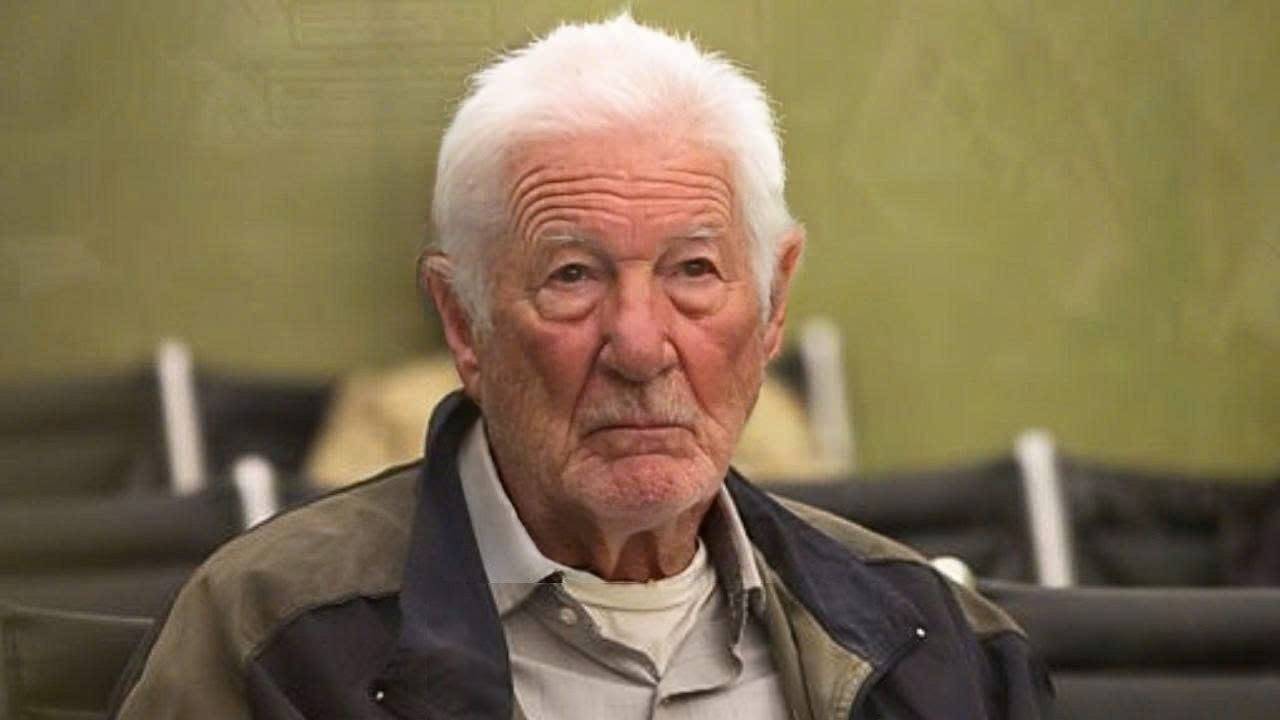 That early deprivation left a permanent mark. Even as fame and fortune arrived, Gere never fully escaped the psychological weight of those lean years. The success that came with American Gigolo brought financial relief, but it failed to heal the deeper instability that had already taken root.
What looked like confidence was often a carefully managed mask over profound personal conflict.
By the height of his career, with films like An Officer and a Gentleman and Pretty Woman, Gere became a global symbol of romance and control. Yet he privately experienced a deep sense of alienation that began in his teenage years. The more he was watched and analyzed, the more overwhelmed he felt, eventually describing his reaction to fame as something like a wild animal resisting the spotlight.
Rather than lean into his celebrity, Gere deliberately stepped back. He chose smaller films and character-driven roles over blockbuster franchises, a move that quietly altered his career trajectory. His search for meaning led him to Buddhism, which offered solace but also signaled a growing distance from the industry that had made him a star.
It was a turning point few understood at the time.
In 1993, Gere made a choice that would reshape his professional future. During a globally broadcast Academy Awards appearance, he used his platform to speak out about human rights abuses in China and call for Tibet’s independence. The speech was a bold, deliberate act of conviction, but it carried immediate and lasting consequences, including a permanent ban from China’s rapidly expanding film market.
Major studios began to view him as a risky investment. While other actors moved into global franchises, Gere’s opportunities in that space diminished. He never walked back his views, accepting the professional trade-off that came with his beliefs.
 His work in independent cinema, including the acclaimed Arbitrage, earned critical respect, but the scale of his influence had fundamentally changed.
His personal life proved equally turbulent. His marriage to Cindy Crawford began with a rushed, spontaneous wedding that left Crawford unsettled from the start. The relationship faced intense scrutiny, and despite public denials of speculation, the pressure eroded their bond.
Gere described the eventual divorce as deeply painful and took years to process the public unraveling of that chapter.
His second marriage to Carey Lowell appeared more stable, but opposing lifestyle preferences created mounting tension. The breakup turned into a prolonged legal battle over financial disputes, keeping both parties locked in conflict for years. The extended legal process became a source of ongoing stress, adding another layer of difficulty to an already complicated period in his life.
Physical setbacks compounded the emotional strain. A horseback riding accident left him with a broken hand, forcing him to walk home alone and injured. While filming a fight scene, he insisted on performing his own stunt, resulting in a dislocated shoulder that halted production for weeks.
These incidents revealed a pattern of refusing to step back, even when the risks were clear.
 Gere also faced an international controversy during an AIDS awareness event in India, where a public gesture led to obscenity charges. Although the charges were later dismissed, the episode generated criticism and protests, highlighting how cultural misunderstandings could escalate unexpectedly. It was yet another public ordeal in a life already burdened by conflict.
The losses became more personal as he aged. His mother’s death at ninety-one and his father’s passing at one hundred left him carrying the values they had instilled without their physical presence. Gere had always admired his father’s commitment to community service, and that influence shaped his own tireless humanitarian work.
But grief, he acknowledged, was a quiet and heavy weight.
Health issues emerged as a stark reminder of mortality. During a family celebration, he was hospitalized with pneumonia, a serious risk for someone in his seventies. The illness spread through his family, turning a joyful occasion into a prolonged recovery.
He eventually regained his health, but the experience underscored the limits of physical resilience, even for those who seemed indomitable.
Yet, remarkably, the final act of his life has brought a stability that long eluded him. His marriage to Alejandra Silva was built on shared values rather than external expectations. Together, they created a blended family, raising children from previous relationships alongside two sons of their own.
 This, he has suggested, represents a different kind of success, one untethered from public approval.
Gere’s move to Spain was a deliberate rejection of Hollywood’s center. He chose a quieter environment where his children could grow up with a broader cultural identity, raised bilingual and grounded in something deeper than fame. It was a clear sign that his priorities had shifted toward family and personal meaning, away from the relentless machinery of celebrity.
For decades, Richard Gere was seen as a man who had everything, but his journey reveals a far more complex reality. Success never erased his struggle; it only made it less visible. The hunger, the isolation, the public controversies, and the painful divorces all left scars that no amount of applause could heal.
Now, at seventy-five, Gere has finally found peace, but the path to that peace was paved with immense personal cost. He traded fame for conviction, comfort for authenticity, and the spotlight for a quiet life. Some will argue he gave up too much.
Others will see his choices as the only ones he could have made.
The tragedy of Richard Gere is not that he lost his stardom, but that he had to endure so much private suffering to discover what truly mattered. His story is a profound reminder that even the brightest lives can hide the deepest pain. And sometimes, the most meaningful victories are the silent ones no audience ever sees.


