Today, Tombstone (1993) is widely regarded as one of the greatest Westerns ever made. From Kurt Russell’s unforgettable Wyatt Earp to Val Kilmer’s legendary Doc Holliday, the film has become an enduring classic. But according to Sam Elliott, the story audiences saw on screen was only part of what was originally intended. Behind the cameras, Tombstone survived creative battles, hidden leadership, and dramatic last-minute changes that almost altered its legacy forever.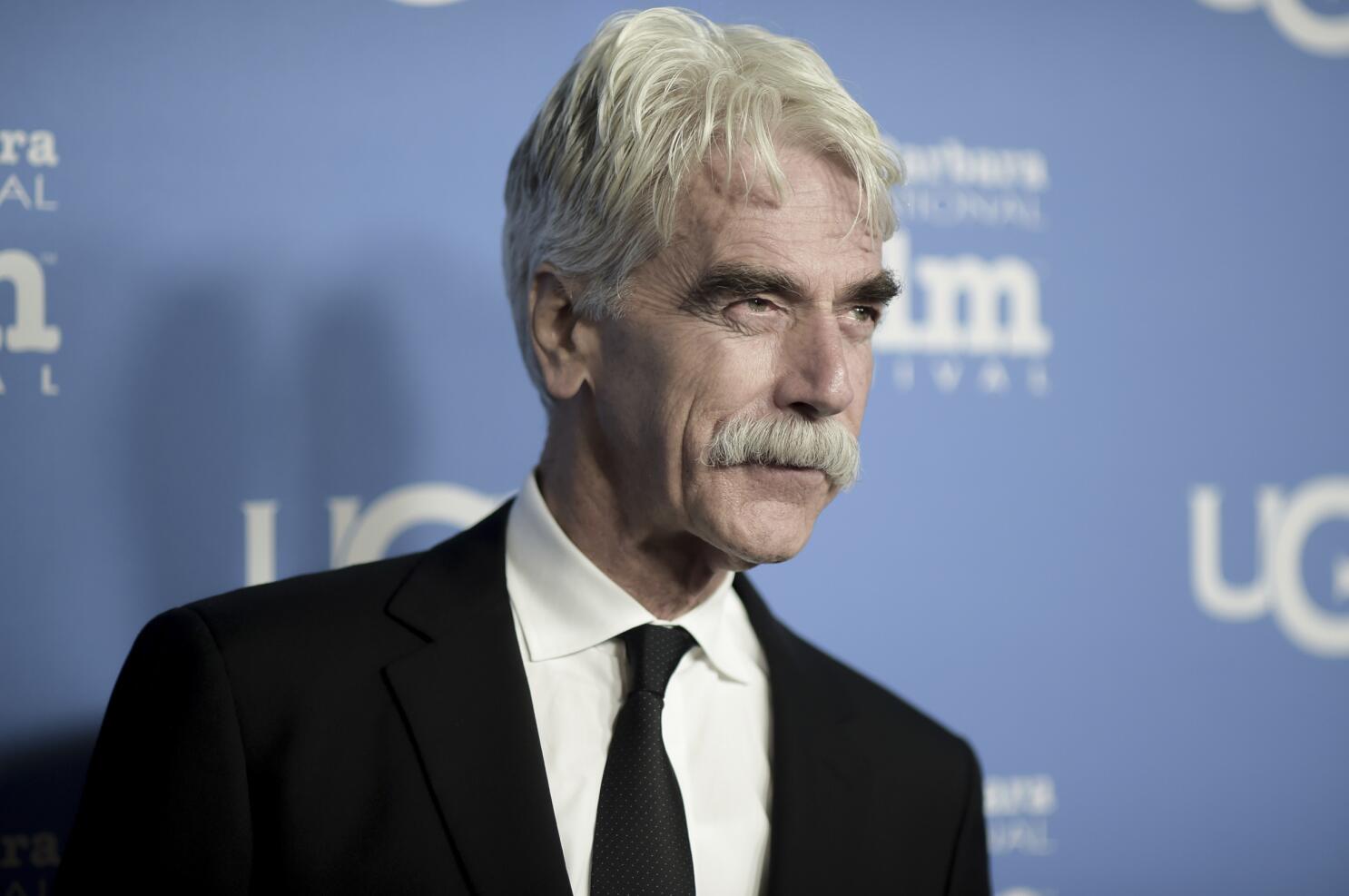
The production began under the direction of Kevin Jarre, who had also written the screenplay. Jarre envisioned Tombstone as an expansive historical epic, carefully recreating the lives of the Earp brothers and the legendary Gunfight at the O.K. Corral. However, his meticulous approach quickly caused production delays, and only a month into filming, the studio removed him from the project.
Officially, veteran director George P. Cosmatos stepped in to finish the movie. But years later, a different story emerged. According to multiple cast members, including Kurt Russell himself, Russell quietly assumed creative control behind the scenes. While Cosmatos handled the day-to-day direction on set, Russell reportedly shaped performances, rewrote scenes, and guided the film’s overall vision—creating one of Hollywood’s most famous examples of a “ghost director.”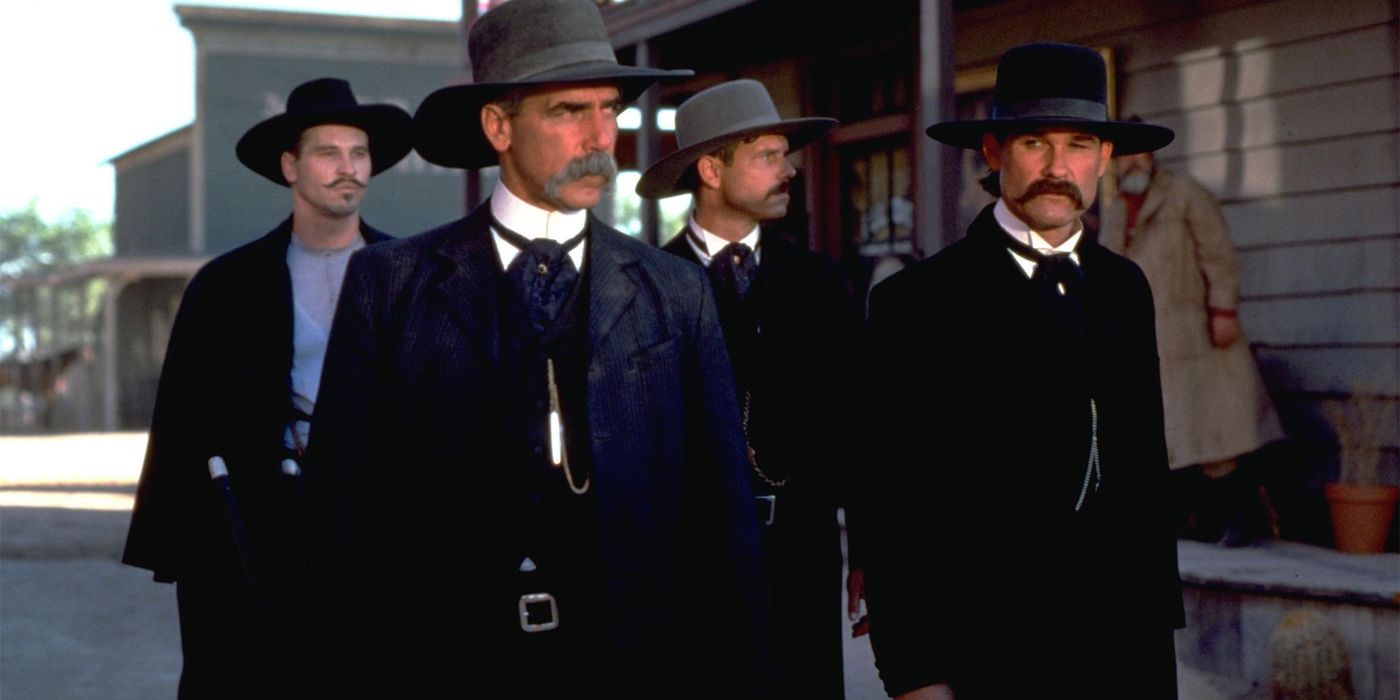
The changes didn’t stop there.
Kevin Jarre’s original screenplay was significantly longer than the version audiences eventually saw. Cast members described it as an ambitious saga comparable in scope to The Godfather, giving every major character greater emotional depth and historical context. As production pressures mounted, nearly 30 pages of material were removed, forcing the story into a much tighter structure.
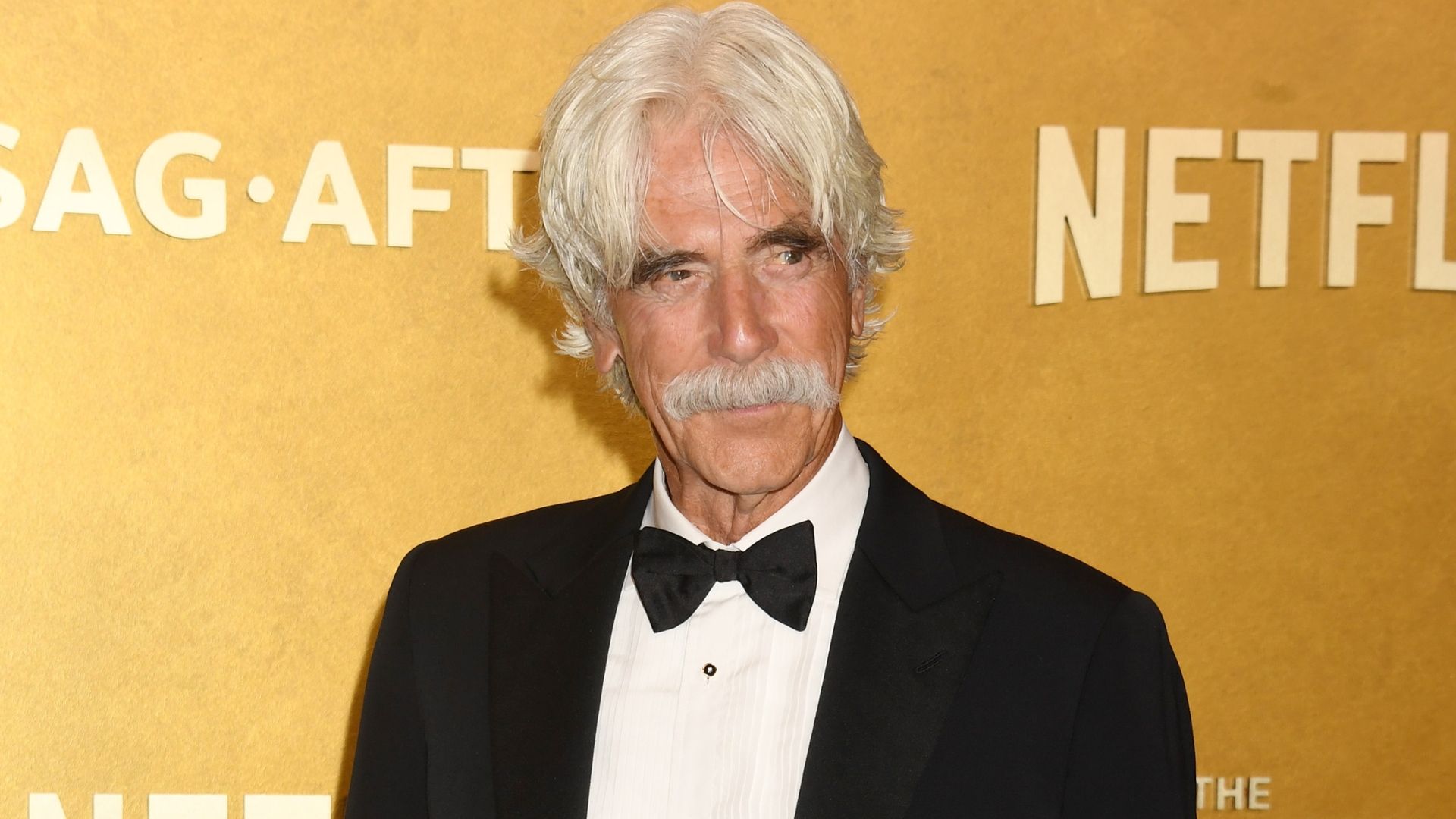
Among those most frustrated by the cuts was Sam Elliott, who portrayed Virgil Earp. Elliott believed many of the deleted scenes contained the emotional connections that gave the story its weight. In interviews at the time, he openly expressed disappointment that dialogue and character moments had been sacrificed, arguing that the edits weakened the relationships between the Earp brothers. He later suggested that had he known exactly how much would be removed, he might have reconsidered accepting the role.

Kurt Russell has acknowledged that he has never been completely satisfied with the theatrical version, believing the film originally possessed an even richer emotional arc. Over the years, rumors have circulated about extended scenes—including additional moments between Wyatt Earp and Doc Holliday, as well as expanded character development for Virgil and Morgan Earp—that have never been publicly released.
Despite the behind-the-scenes turmoil, Tombstone overcame extraordinary odds to become one of Hollywood’s defining Westerns. Its unforgettable performances, iconic dialogue, and emotional storytelling have ensured its place in cinema history, even if many involved still believe audiences have never seen the complete vision that first inspired the project.
More than thirty years later, fans continue to hope that the missing scenes may someday surface. Until then, Tombstone remains both a celebrated classic and one of Hollywood’s greatest “what if” stories—a masterpiece shaped as much by the battles behind the camera as the gunfights on screen.