On December 21, 1966, the film Grand Prix premiered in the United States, marking a significant moment in the history of motorsport cinema. At a time when Formula One was still forging its global identity, the movie attempted something unprecedented: to bring the speed, danger, and glamour of Grand Prix racing to the big screen with a level of realism never seen before.
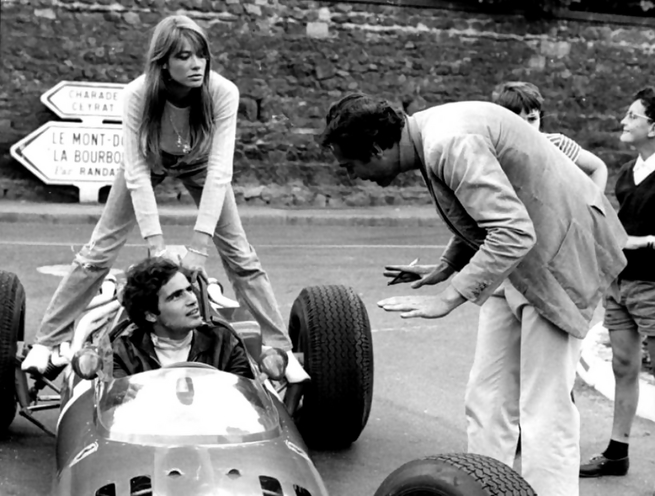
Directed by John Frankenheimer, Grand Prix was met with mixed reviews upon release. Critics often pointed to its thin storyline and melodramatic character arcs, arguing that the narrative failed to match the spectacle on display. However, audiences—particularly racing fans—were captivated by the film’s ambitious technical achievements and its immersive portrayal of Formula One.
What truly set Grand Prix apart was its groundbreaking use of authentic race footage. Real Formula One events were seamlessly blended with staged action, creating a visceral viewing experience. Cameras were mounted directly onto race cars, placing viewers in the cockpit and offering a sense of speed and danger that felt revolutionary for its time.
Hollywood star James Garner led the cast as fictional American driver Pete Aron, delivering a performance that balanced confidence, charm, and vulnerability. His presence helped bridge the gap between mainstream cinema and the niche world of Formula One, making the sport more accessible to a broader audience unfamiliar with its intricacies.

Adding further credibility, the film featured cameo appearances from some of the greatest names in Formula One history. Legends such as Phil Hill, Graham Hill, Juan Manuel Fangio, Jim Clark, Jochen Rindt, and Jack Brabham appeared as themselves, blurring the line between fiction and reality and cementing the movie’s status as a love letter to the sport.
The production, however, was not without real danger. During filming at Brands Hatch in July 1966, James Garner narrowly avoided serious injury when a stunt went wrong. He was pulled from a burning car and suffered minor burns, a stark reminder of the risks faced not only by professional drivers, but also by those attempting to portray their world on screen.
Despite its initial critical reception, Grand Prix has endured as a cult classic. Its reputation grew over the decades, particularly among racing enthusiasts, until it was finally released on DVD in 2006. Today, nearly six decades later, the film is remembered not for its plot, but for its authenticity, ambition, and its lasting contribution to how motorsport is captured in cinema.