For millions of fans, The Dukes of Hazzard represented pure television fun.
The orange Dodge Charger flying over dirt roads.
The Duke cousins escaping trouble.
Sheriff Rosco chasing the General Lee.
The unforgettable charm of Hazzard County.
To audiences, the show felt like a carefree adventure filled with humor, friendship, and Southern spirit.
But behind the scenes, the reality was much more complicated.
The series was not only about car chases and comedy. It was also shaped by contract disputes, disagreements over creative decisions, working conditions, and battles between actors and the studio.
Some characters disappeared because of storylines.
Others disappeared because the people playing them were fighting for something they believed they deserved.
The biggest conflict involved the two actors at the center of the show: John Schneider and Tom Wopat.
Schneider played Bo Duke, while Wopat portrayed Luke Duke. Together, they became the heart of The Dukes of Hazzard.
Their chemistry was a major reason the series became successful.
Bo and Luke were not just characters.
They were the reason fans tuned in every week.
But as the show became a massive hit, tensions grew behind the scenes.
One of the biggest issues involved merchandising.
The General Lee became one of the most recognizable vehicles in television history. Toys, products, and merchandise connected to the show generated enormous revenue.
However, Schneider and Wopat argued that they were not receiving compensation that reflected their importance to the success of the series.
In 1982, the actors became involved in a major legal dispute with Warner Bros. over merchandising royalties and contract issues.
The conflict escalated, and both actors temporarily left the show.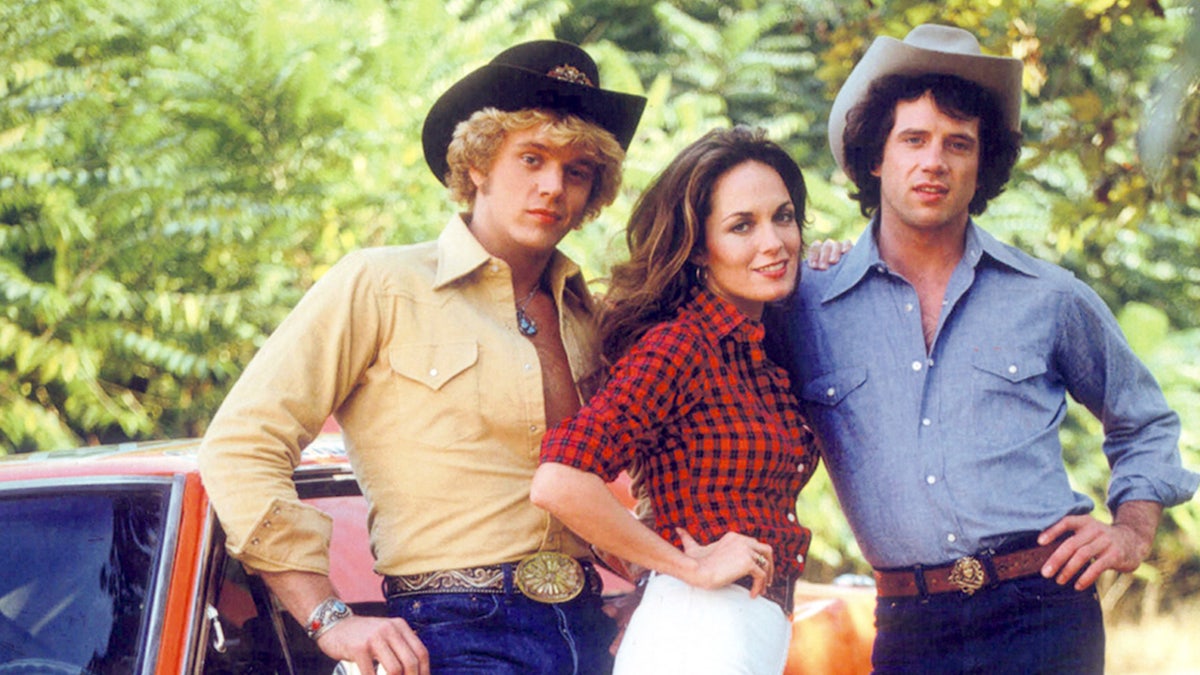
For producers, the solution was simple:
Replace them.
The studio introduced new Duke cousins—Byron Cherry as Coy Duke and Christopher Mayer as Vance Duke.
The idea was that viewers would accept new characters in the same roles.
But audiences disagreed.
The connection fans had with Bo and Luke could not easily be recreated.
Ratings declined, and the absence of Schneider and Wopat was obvious.
Eventually, the original actors returned in 1983, proving that the chemistry audiences loved was not something that could simply be replaced.
Their departure showed an important lesson about television:
Characters are not only written.
They are created through the people who play them.
Another actor who experienced conflict with producers was Ben Jones, who played mechanic Cooter Davenport.
Cooter was one of the most beloved supporting characters in Hazzard County. As the friendly mechanic and loyal friend of the Duke family, he became an important part of the show’s identity.
However, Jones found himself in a disagreement over the appearance of his character.
Producers wanted Cooter to appear clean-shaven, but Jones believed the beard was part of the character’s authenticity and connection to the world of the show.
The disagreement became serious enough that Jones temporarily refused to participate until the issue was resolved.
For Jones, it was not simply about facial hair.
It was about protecting the identity of a character fans had come to recognize.
Eventually, the conflict was settled, and Cooter remained an important part of the series.
Another behind-the-scenes dispute involved James Best, who played Sheriff Rosco P. Coltrane.
Rosco became one of the show’s most iconic characters.
His exaggerated personality, silly mistakes, and comedic rivalry with the Duke boys made him a fan favorite.
But during the early seasons, Best became frustrated with working conditions.
One major issue involved the lack of proper facilities while filming difficult scenes. Because Rosco was often involved in physical comedy and stunts—including scenes where he ended up wet or covered in messes—Best argued that better accommodations were necessary.
Eventually, he temporarily stepped away from the production.
The absence of Rosco affected the show because his character had become central to its humor.
Like other cast members, Best later became involved in discussions regarding compensation and merchandising connected to the show.
His story reflected a larger issue many television actors faced during that era: the challenge of receiving fair recognition when their characters became valuable parts of a franchise.
Then there was Sonny Shroyer, who played Deputy Enos Strate.
Unlike some departures caused by conflict, Shroyer’s exit came from opportunity.
His character became popular enough that producers created a spin-off series called Enos.
The show gave Shroyer a chance to lead his own project, and his contract included an arrangement allowing him to return to The Dukes of Hazzard if the spin-off did not continue.
 Unfortunately, Enos was canceled after one season.
Shroyer eventually returned to Hazzard County.
During his absence, another deputy character was introduced.
Rick Hurst joined the cast as Deputy Cletus Hogg.
Originally brought in to fill the space left by Enos, Cletus became popular with fans and developed his own identity within the show.
Even after Enos returned, Cletus remained part of the series for a time.
His character proved that sometimes unexpected replacements can become memorable in their own right.
The story of The Dukes of Hazzard reveals something important about successful television shows.
Studios often believe characters can be replaced.
But audiences form emotional connections with specific performers.
Bo and Luke were not simply names on a script.
They were John Schneider and Tom Wopat.
Rosco was not just a sheriff.
He was James Best.
Cooter was not just a mechanic.
He was Ben Jones.
The personalities behind the characters became inseparable from the world of Hazzard County.
Despite the conflicts, lawsuits, and disagreements, The Dukes of Hazzard remained a cultural favorite.
The show survived because of the unique chemistry between its cast members and the connection they created with viewers.
Behind the humor and car jumps was a very real story about performers fighting for respect, recognition, and control over the characters they helped make famous.