Behind America’s favorite TV family was far more turmoil than viewers ever imagined.
For fourteen seasons, Bonanza wasn’t just a television show—it was a cultural institution. Families gathered around their screens to watch the Cartwrights navigate loyalty, morality, and frontier justice on the Ponderosa Ranch. On the surface, it was warm, reassuring, and timeless.
But behind the cameras, Bonanza was shaped by creative frustration, personal tragedy, contract wars, and emotional exhaustion. The departures of key cast members weren’t random or simple—they were the result of deep tensions that slowly reshaped the series and, ultimately, brought it to an end.
Here’s the full, unfiltered story of why the stars of Bonanza really left.
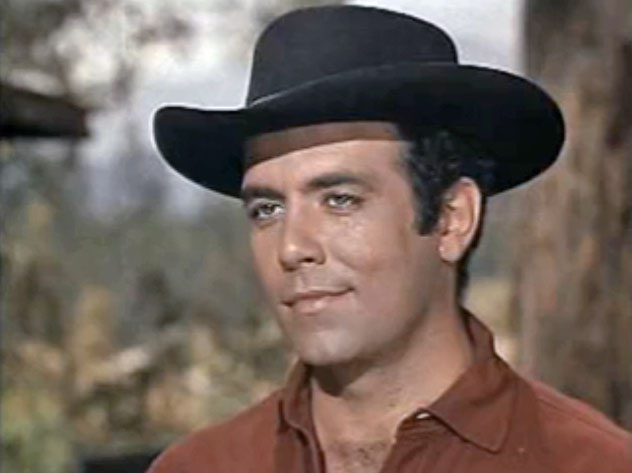
 Pernell Roberts (Adam Cartwright): Walking Away at the Height of Fame
Pernell Roberts’ exit remains one of the most baffling decisions in television history—until you understand his mindset.
As Adam Cartwright, Roberts portrayed the eldest son: intellectual, principled, and morally conflicted. Yet Roberts felt the show failed to live up to its potential. Despite Bonanza’s popularity, he believed the scripts had grown repetitive and shallow, relying on gunfights and formula rather than meaningful storytelling.
Roberts, a classically trained actor with strong political and social convictions, was deeply frustrated by what he saw as missed opportunities to explore complex themes like injustice, inequality, and human contradiction.
He famously said he felt like he was “playing the same scene over and over.”
Walking away from a top-rated show in 1965 was unheard of—but Roberts chose artistic integrity over financial security. His decision shocked NBC and alienated fans, but he never regretted it. Ironically, his later success on Trapper John, M.D. proved he was right to trust his instincts.
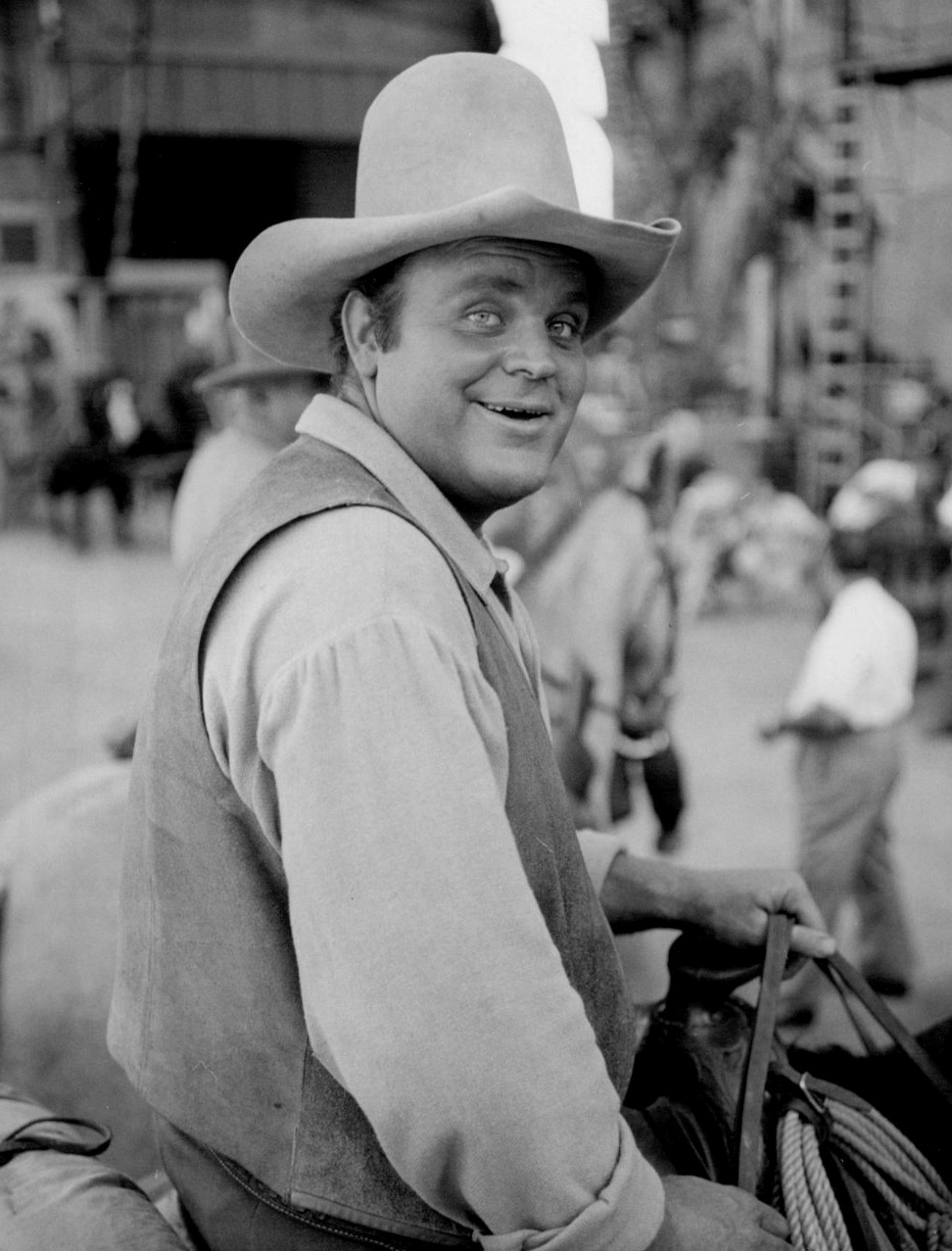
 Dan Blocker (Hoss Cartwright): A Tragedy That Changed Television Forever
Dan Blocker’s departure was not a choice—it was a devastating loss.
Blocker, who played the kind-hearted Hoss Cartwright, was the emotional soul of Bonanza. Off-screen, he was just as beloved: gentle, funny, and deeply loyal to his castmates.
In 1972, Blocker underwent routine gallbladder surgery. Unexpected complications led to a pulmonary embolism, and he died suddenly at just 43 years old.
The shock was immense.
For the first time in prime-time television, producers made the bold decision not to recast the role. Instead, Hoss was written out through death—a move that permanently altered the tone of the series. Grief became real, not scripted.
Michael Landon later admitted the show was never the same:
“When Dan died, Bonanza died with him.”
 David Canary: Leaving, Returning, and Holding the Show Together
David Canary’s story is one of conflict—and quiet loyalty.
Canary originally played both identical twins, Adam and Candy Canaday, a rare and impressive acting feat. However, contract disputes over pay and working conditions led him to leave the show in 1967.
After Dan Blocker’s death, producers realized the series needed emotional balance. Canary was asked to return, and despite past grievances, he agreed—out of respect for the cast and the audience.
His return stabilized the show, but it also highlighted how fragile Bonanza had become without its original chemistry.
 Lorne Greene (Ben Cartwright): Almost Gone Before the Show Began
Few fans realize that Lorne Greene nearly quit Bonanza in its very first season.
Initially, Greene felt Ben Cartwright was written as a one-dimensional authority figure. He pushed relentlessly for deeper characterization—more vulnerability, moral conflict, and emotional realism.
His persistence paid off. Ben Cartwright evolved into one of television’s most respected father figures.
However, when NBC abruptly canceled Bonanza in 1973—despite solid ratings—Greene was furious. He felt the network had discarded the show without honoring its legacy. The bitterness lingered long after the final episode aired.
:max_bytes(150000):strip_icc():focal(729x247:731x249)/Dan-Blocker-Michael-Landon-Lorne-Greene-Pernell-Roberts-062025-2b51825c97e34dcb9ef70e3752886f50.jpg) Michael Landon (Little Joe): Outgrowing the Role That Made Him Famous
Michael Landon (Little Joe): Outgrowing the Role That Made Him Famous
Michael Landon’s journey on Bonanza was one of transformation.
He began as the charming, impulsive Little Joe—but over time, Landon became increasingly involved behind the scenes. He wrote episodes, directed scenes, and clashed with producers who resisted his creative ambition.
Dan Blocker’s death deeply affected him. Combined with growing frustration and burnout, Landon realized he had outgrown the show.
His departure wasn’t a rejection of Bonanza—it was a launchpad. What followed were Little House on the Prairie and Highway to Heaven, where Landon finally had full creative control.
 Victor Sen Yung (Hop Sing): A Quiet Exit Marked by Injustice
Victor Sen Yung’s role as Hop Sing was beloved by fans—but the reality behind it was far less kind.
Despite appearing in over 100 episodes, he was never made a full-time cast member and was paid significantly less than his co-stars. His character was often marginalized, reflecting the racial limitations of the era.
After surviving a terrifying plane hijacking in the early 1970s, Sen Yung reassessed his life. He gradually stepped away from acting and found success as a gourmet chef—an unexpected but fulfilling second career.
His exit highlights one of Bonanza’s least discussed truths: progressive themes on-screen didn’t always translate to fairness off-screen.
 A Legendary Show, Built on Human Cost
Bonanza broke barriers in television—but it was also shaped by ego clashes, personal loss, and systemic limitations.
The actors who left didn’t abandon the show lightly. They were pushed by grief, principle, exhaustion, and the desire for something more meaningful.
And perhaps that’s why Bonanza still resonates today.
Because behind the cowboy hats and sweeping theme music were real people—making hard choices, paying real prices, and leaving behind a legacy that was anything but simple.